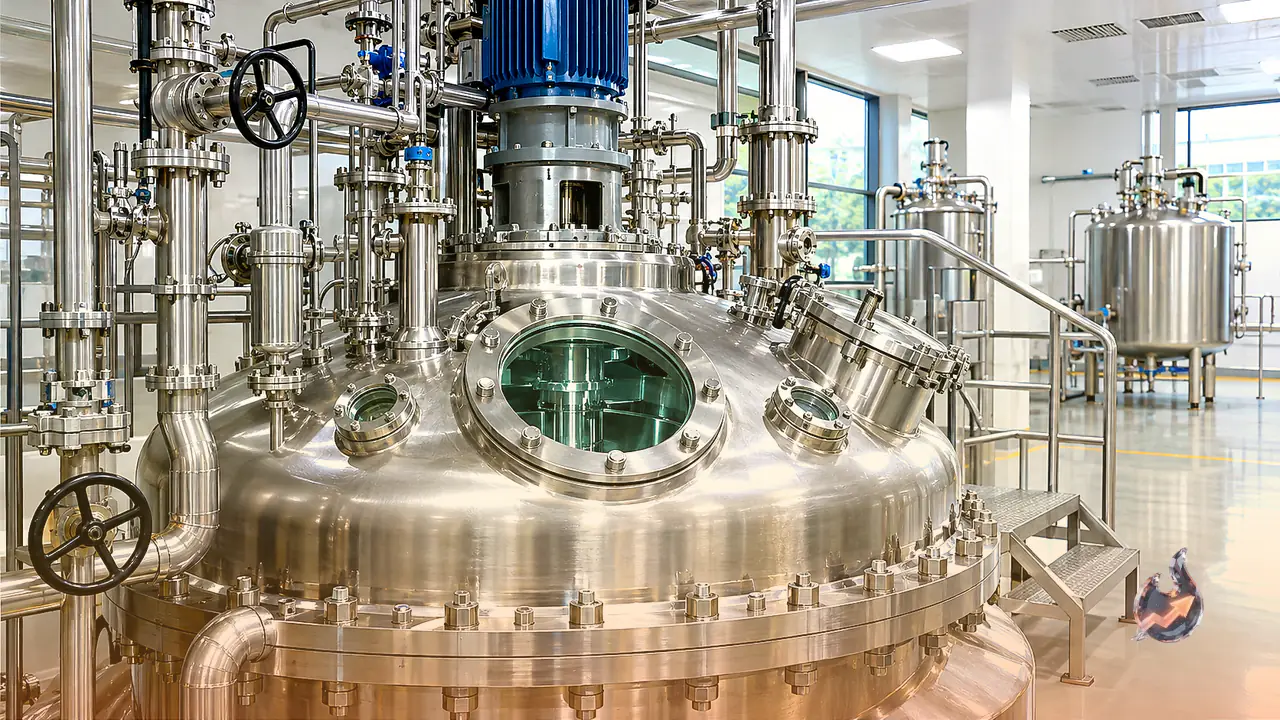






















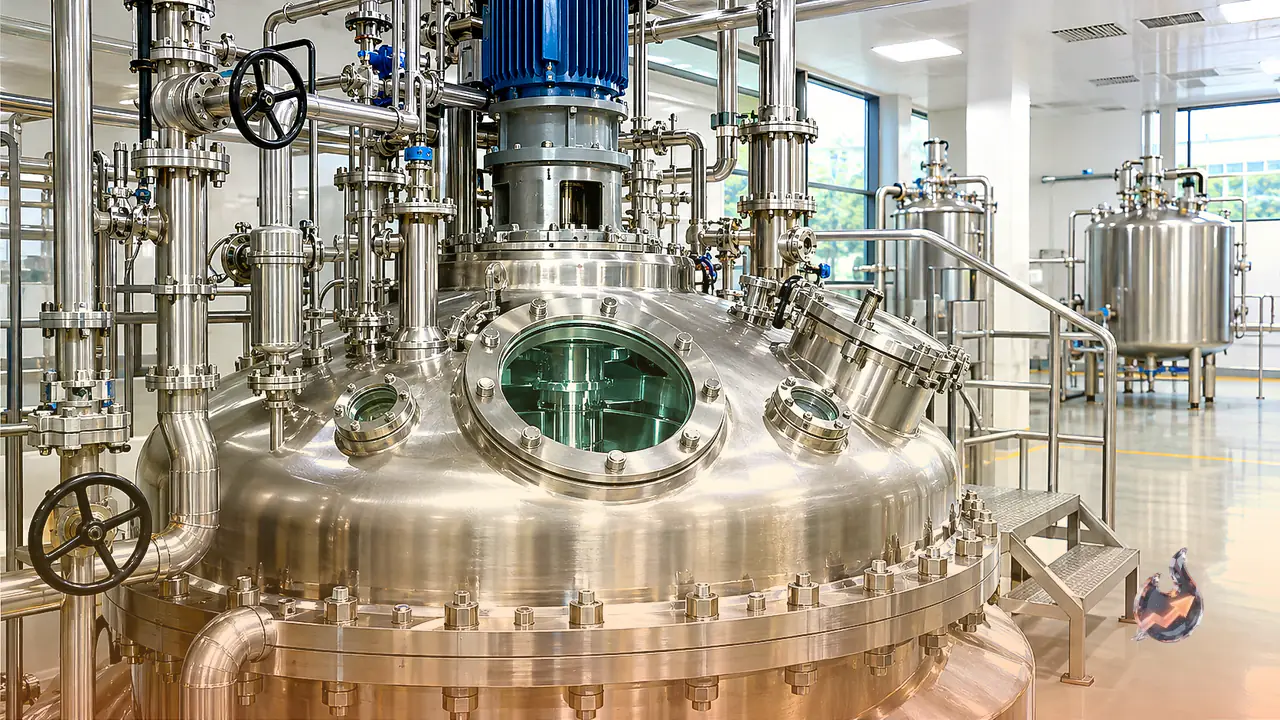

India's pharmaceutical industry is rapidly moving beyond low-cost generic drugs to embrace high-value medications, complex chemical processes, and advanced therapeutics. This strategic evolution is driven by shifting domestic healthcare needs, rising demand for treatments targeting chronic diseases, emerging export avenues, and the Indian government's Production Linked Incentive framework. To build greater self-reliance and strengthen their global competitive edge, domestic drugmakers are aggressively deploying capital into indigenous active pharmaceutical ingredient manufacturing facilities to curb reliance on foreign raw materials.
Securing Supply Chains Through Advanced Chemical Technologies
Ahead of major South Asian pharmaceutical industry trade conventions, CPHI India and PMEC India 2026, sector executives underscored the urgency of strategic investments in advanced manufacturing and specialty chemical technology platforms. Jubilant Ingrevia Chief Executive Officer and Managing Director Deepak Jain noted that India's pharmaceutical ecosystem is undergoing a fundamental structural transition toward higher-value, innovation-led, and sustainable manufacturing practices.
Jain highlighted that multinational pharmaceutical enterprises are increasingly prioritizing supply chain resilience alongside specialized chemical processing capabilities. In this evolving landscape, expanding domestic capacity across APIs, advanced intermediate chemicals, and contract development and manufacturing organization services is vital to systematically reduce import exposure. Market tracking figures from IQVIA reflect this momentum, revealing that India's domestic pharmaceutical market surged 17.1 percent year-on-year in September 2026, marking the sector's steepest monthly expansion in three years.
AYUSH and Medicine Exports Projected to Expand Through 2030
Complementary healthcare traditions are also bolstering this industry-wide growth trajectory. Hamdard Laboratories India Head of Global Export Business and Senior General Manager Pankaj Banerjee stated that India's pharmaceutical and AYUSH segments possess immense potential for sustained expansion through 2030, driven by heightened global demand for disease prevention, lifestyle wellness, scientific validation, and herbal alternatives.
The push toward local production addresses a longstanding vulnerability in raw drug sourcing. During fiscal year 2024-25, India imported bulk drugs and active pharmaceutical ingredients valued at approximately $4.35 billion, with China commanding a massive 73.71 percent share of that volume. By building advanced local manufacturing clusters and mastering intricate chemical syntheses, domestic pharmaceutical firms aim to insulate the country from overseas supply disruptions while establishing India as a comprehensive global medicine hub.