























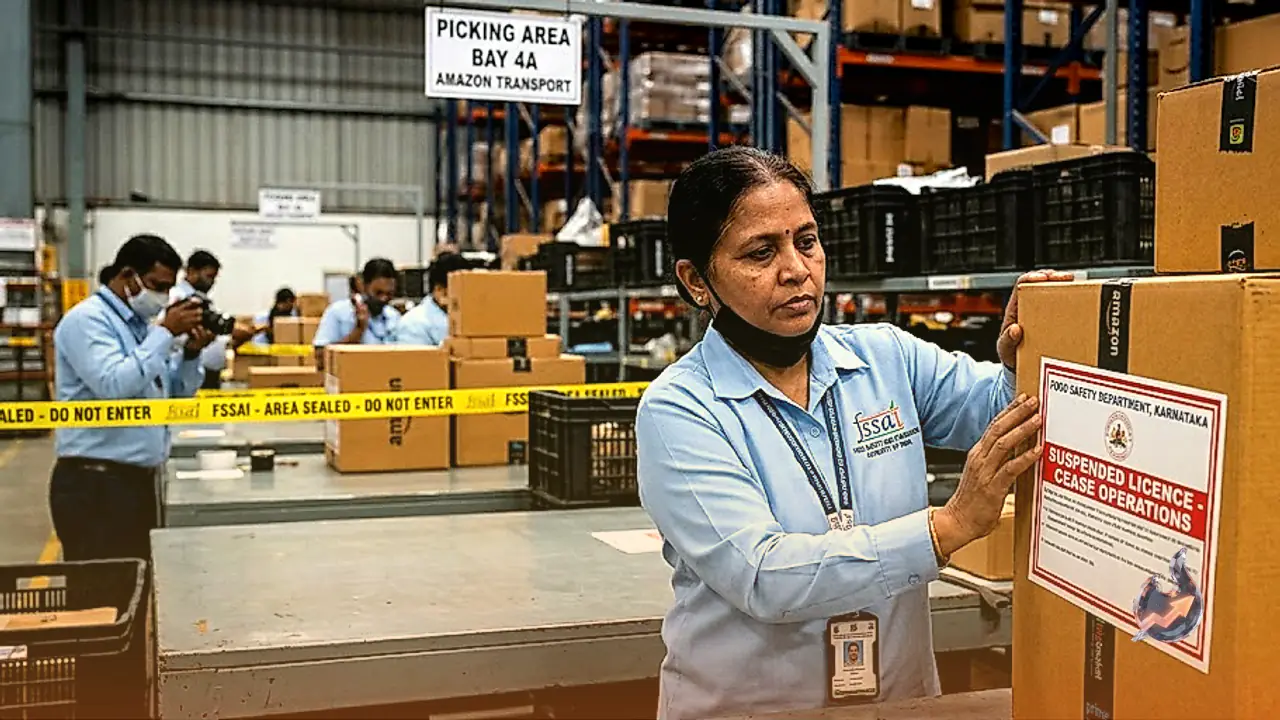

In an era dominated by quick commerce and e-commerce platforms, unusual items frequently pop up for online purchase. While the digital sale of cow dung cakes had previously sparked major controversy, a similarly bizarre case has now emerged from Karnataka. The state witnessed Datura fruits and seeds being sold openly online, conveniently categorized under food products. This online retail of a plant considered toxic for centuries has ignited a fresh debate. Taking strict note of the situation, the Karnataka food safety regulator has suspended the food licenses of major platforms including Amazon, Swiggy Instamart, and BigBasket.
Regulatory Crackdown Following an Investigation
The Karnataka Food Safety and Drug Administration department issued the license suspension order after completing a formal inquiry. Officials expressed grave concern over Datura fruits and seeds being marketed as edible goods. Surprisingly, some of the product packets even carried FSSAI license or registration numbers. The regulator emphasized that making toxic items accessible for consumption poses a severe threat to public safety. Prior to taking action, the department had already ordered an investigation into how these products were approved and listed online. The platforms have been directed to immediately remove these listings, halt their sale, distribution, and presence as food items, and submit compliance reports. Additionally, the licenses of the vendors supplying these products to the platforms have also been suspended.
Botanical Profile and Toxicity of Datura
Globally recognized by names such as Datura, thorn apple, and Jimson weed, the plant belongs to the Solanaceae family of flowering plants, featuring trumpet-shaped white to purple flowers and spiny seed pods. Every part of the plant contains tropane alkaloids, specifically atropine, hyoscyamine, and scopolamine. These compounds are responsible for both its toxic effects and its historical use in traditional medicine and spiritual practices. The seeds are considered the most dangerous part, and chewing or swallowing them can result in severe poisoning.
Why the Online Sale Sparked Outrage
Many have questioned why the digital sale of Datura caused such a massive uproar. Unlike cannabis, Datura does not fall under the NDPS Act and is not classified as a narcotic substance. The primary concern here revolves strictly around food safety. Because Datura is extremely toxic, platforms were stocking and marketing it as something fit for human consumption. Regulators clarified that the licenses were suspended due to food safety violations rather than any breach of drug laws.
Religious Significance and Ritual Practices
In India, Datura plays a significant role in Shiva worship, particularly during the month of Sawan. According to Hindu mythology, the plant is linked to the Samudra Manthan when the lethal poison Halahal emerged. When Lord Shiva drank the poison to save the world, the toxic nature of Datura came to symbolize his divine ability to transform poison into divinity. Offering flowers and fruits at Shiva temples is viewed by devotees as a way to surrender their negative energy to the deity, who is believed to destroy it. This practice is especially prominent during Sawan and Mahashivratri, when worshippers chant mantras while placing the fruits on the Shiva Linga. Notably, the use of Datura in worship is strictly symbolic and limited to religious rituals; it is never consumed.
Usage in Other Cultures and Traditions
Datura is rarely used for worship outside of Hinduism, though it does appear in Native American traditions where certain tribes refer to it as sacred Datura or toloache. It is also mentioned in medieval European folk witchcraft, where it was utilized in flying ointments and referred to as the witch's thimble. However, these represent folk and shamanic traditions rather than mainstream religious practices.
Traditionally, Datura was never something purchased from a market. The plant grows wild along roadsides, in desolate areas, or near cremation grounds. Because of its toxicity, nobody objects to harvesting it, making it readily available to everyone regardless of wealth. However, it is sold around temples during Sawan and Mahashivratri festivals. Ayurvedic medicine shops also buy and sell processed and controlled forms of it for medicinal preparations.
Legal Framework and the Poisons Act
Datura occupies a legal grey zone in India. Since it is not classified as a specific narcotic under the NDPS Act, there is no licensing system for its cultivation unlike opium or cannabis. The possession and sale of poisons in India are governed by the colonial-era Poisons Act of 1919, which empowers state governments to control the sale of specific poisons. However, due to its enduring religious and horticultural uses, Datura has historically been kept outside strict regulations. The Karnataka government's recent action targeted its listing under the food category, as it lacked proper labeling, dosage controls, or professional handling instructions typically found on Ayurvedic or allopathic medicines. Consequently, the action was taken under FSSAI regulations rather than anti-narcotics laws.