























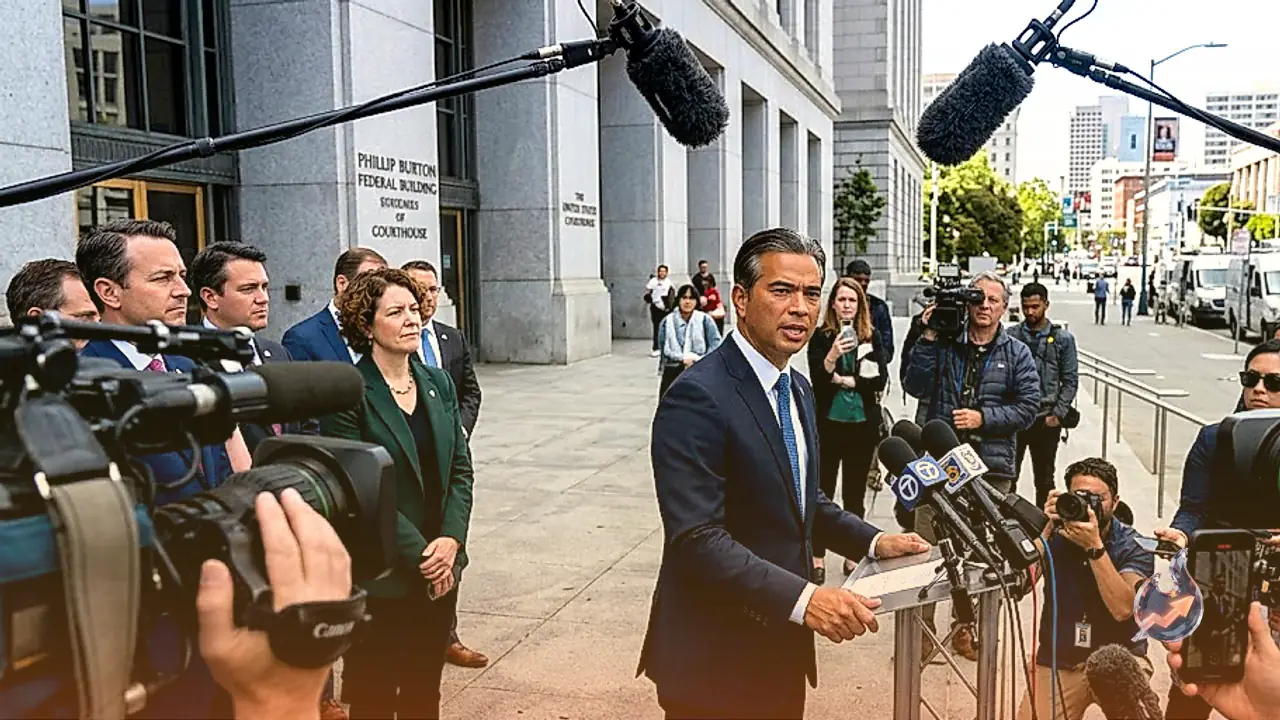

Tech giant Meta has agreed to a landmark settlement that could see the company pay up to $16.7 billion to resolve legal claims brought by 29 states in the United States. The resolution arrived unexpectedly on Wednesday, moments before Instagram head Adam Mosseri was scheduled to take the witness stand for a second time. The legal action centered on allegations that Meta designed its social media platforms to intentionally addict young users, harming teen mental health while failing to implement effective safeguards.
Staggering Financial Settlement and Escalating Legal Risks
The deal represents a dramatic shift in legal strategy for Meta. While competing social platforms such as YouTube, Snapchat, and TikTok chose to settle similar youth harms lawsuits out of court, Meta persistently proceeded to trial. That defensive posture proved costly earlier this year when Meta lost state-level trials in California and New Mexico, resulting in penalties approaching $1 billion. The first federal trial concerning youth safety began just last week, exposing the company to potential liability that Meta estimated could top $1 trillion in total damages. By reaching a $16.7 billion agreement, the company limits its exposure while accepting significant operational mandates across its core platforms.
Following the announcement, Meta released an official statement asserting that ensuring a safe and productive environment for teenagers remains an absolute imperative. The company emphasized its intention to set a new standard for the tech sector by collaborating with state attorneys general, while simultaneously urging rivals YouTube and TikTok to adopt comparable platform restrictions. California Attorney General Rob Bonta praised the outcome, stating that the agreement secures vital protections that will make social media significantly safer for children and bring profound relief to families.
Default Time Limits and Restricted Night Hours for Teenagers
Pending formal judicial approval, the settlement mandates comprehensive product changes for both Instagram and Facebook. Under the new rules, teenage accounts will face a default daily usage cap of two hours combined across both platforms. Teen users will be unable to disable this restriction without explicit parental permission. Furthermore, access to both applications will be automatically blocked for teens between midnight and 6 am every night.
To reduce disruption during the school day, push notifications will be automatically muted between 8 am and 3 pm for adolescent users. Meta will also introduce mandatory screen-time prompts that interrupt continuous browsing every 15 minutes, alongside prominent warning alerts when a teen reaches 60 minutes and 90 minutes of daily activity. These measures aim to curb endless scrolling and encourage healthier digital habits among young audiences.
Empowering Parents with Algorithmic Controls and Filter Bans
The agreement grants parents unprecedented control over their teenagers' social media environments. Parents will gain the ability to set their teen's primary feed to display content in chronological order rather than relying on algorithmic recommendation engines. Additionally, parents can choose to turn off video autoplay by default. To combat social pressure, Meta will hide public counts for likes and reactions on posts made by teen accounts by default, a measure described by California Attorney General Rob Bonta as a functional ban on public metrics for minors.
In a direct effort to protect body image and mental wellness, Meta has also committed to disabling cosmetic surgery and extreme makeup filters for all teenage users. These visual tools have faced sharp criticism from health experts for fostering unrealistic aesthetic standards and exacerbating body dysmorphia among impressionable adolescents.
State Lawsuit Allegations of Privacy Violations and Deception
The coalition of 29 US states charged Meta with violating federal child privacy regulations by systematically collecting data on children under 13 years of age without proper consent. A core group of four states, including California, Colorado, Kentucky, and New Jersey, filed additional claims alleging that Meta misled parents regarding its safety protections while engaging in unconscionable business practices designed to maximize engagement among underage users. Meta denied all legal claims and wrongdoing throughout the proceedings.
Trial Testimony Highlights Engagement Culture and Teen Mental Health Impact
During the federal trial, state prosecutors presented compelling testimony from current and former Meta employees, arguing that the company prioritized user retention and growth above youth safety. An academic psychologist testifying for the states explained that adolescents, particularly young girls, who spent extensive hours on social media exhibited higher rates of depression, dissatisfaction, and loneliness. The expert connected these behavioral patterns to the documented surge in teen psychological distress and self-harm observed over the past 15 years.
Safety Features Under Fire for Near-Zero User Adoption
Prosecution efforts focused heavily on internal operations within Instagram's well-being team, which had been tasked with developing youth protection tools since 2018. Testimonies from a former data scientist, a current product design director, and Instagram head Adam Mosseri were presented before Judge Yvonne Gonzalez Rogers and an eight-member jury panel. Court documents revealed that Meta's existing safety tools achieved virtually no meaningful adoption among teenagers.
Specifically, evidence introduced on Tuesday demonstrated that Instagram's Take A Break feature, designed to prompt users to pause their browsing, was activated by less than 1 percent of weekly teen users months after its initial rollout. Even after two years, activation remained stagnant at just 1.8 percent. A secondary usage-limiting tool known as Quiet Mode registered similarly negligible adoption rates among young users, undermining Meta's claims of proactive self-regulation.
Independent Oversight and Compliance Enforcement Measures
Beyond monetary payouts and product redesigns, the settlement establishes strict enforcement mechanisms to ensure compliance. An independent auditor will be appointed to inspect Meta's operations and report any concerns directly to state attorneys general. Meta will also be required to deploy enhanced tools for parental supervision while remaining under a strict court prohibition against making false, deceptive, or misleading public claims concerning platform safety features.