






















Dairy farmers and cattle rearers in Bihar are bracing for a challenging few months as experts sound the alarm over a potential health crisis in the livestock sector. The Indian Council of Agricultural Research (ICAR) and the national Disease Surveillance System have issued a serious warning regarding the widespread outbreak of a severe cattle disease in the state. After extensively analyzing current weather patterns and environmental shifts, agricultural scientists estimate that the highly contagious Lumpy Skin Disease will likely surge across multiple districts in Bihar during the critical months of September and October. In many rural pockets, this infectious viral outbreak is colloquially referred to as 'Mata Maiya'. Veterinary experts have strongly cautioned farmers that failing to implement solid preventive measures in time could prove fatal for their livestock, potentially triggering massive economic setbacks for thousands of families dependent on dairy income.
Understanding Lumpy Skin Disease and Its Symptoms
Lumpy Skin Disease is a rapidly spreading viral infection that primarily targets cows and buffaloes, often transmitted through vectors like mosquitoes, biting flies, and ticks, as well as contaminated water sources. According to Dr. Ramkrishna Roy, the Head and Veterinary Expert at the Krishi Vigyan Kendra in Khodawandpur, Begusarai, this viral attack is excruciatingly painful for the animals. Once contracted, the infected cattle develop distinct, hard nodules and painful blisters all over their skin, particularly around the neck and head. Furthermore, the sick livestock suffers from continuous high fever and experiences extreme physical exhaustion. Because painful sores often develop inside the mouth and throat, the animals find it extremely difficult to eat or drink, causing them to abandon their fodder entirely. This immediate loss of appetite leads to a drastic and sudden drop in milk production. Dr. Roy emphasizes that if proper medical intervention is delayed, the deteriorating condition can quickly lead to a painful death for the infected cattle. Historically, previous outbreaks of this disease in Bihar have left dairy farmers facing devastating financial and emotional tolls.
How Authorities Predict the Timing of the Outbreak
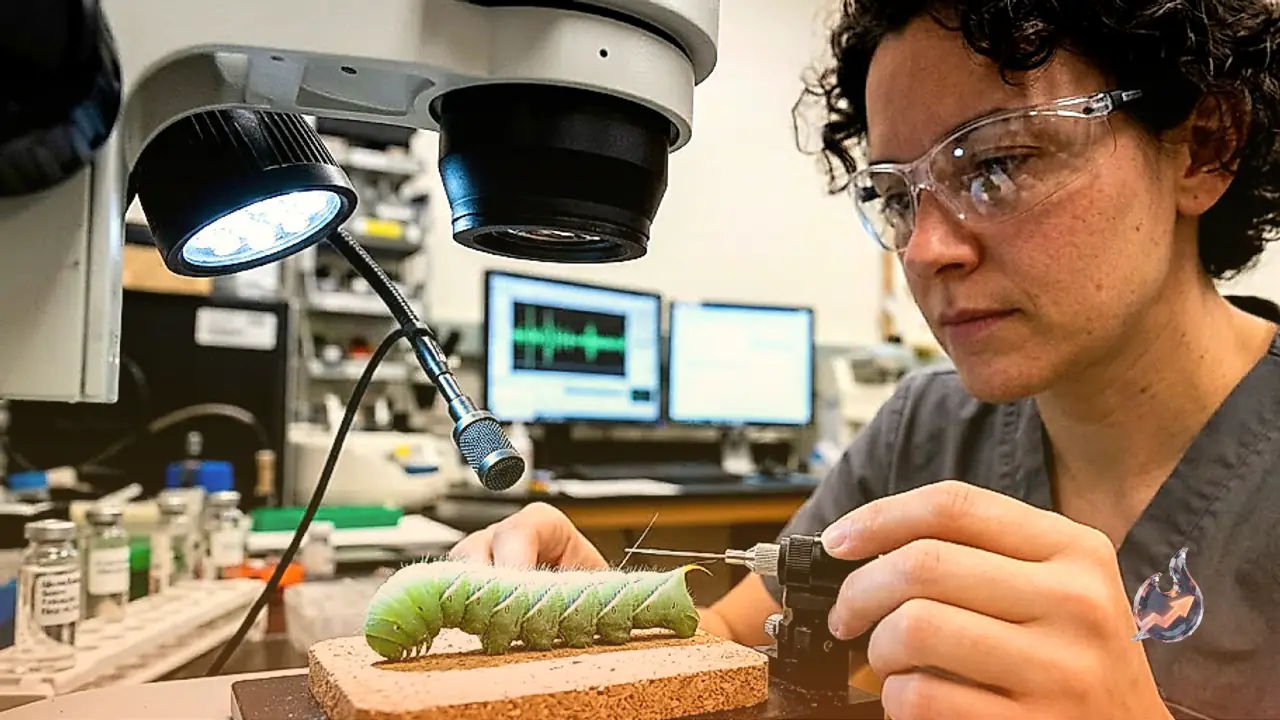
The national Disease Surveillance System utilizes advanced modeling to conduct in-depth studies of various meteorological parameters. This monitoring network relies heavily on the scientific, data-driven analysis of fluctuating temperatures, rising humidity levels, unseasonal rainfall volumes, and subsequent waterlogging conditions in rural areas. By tracking this precise environmental data, scientists can accurately forecast the specific seasons when certain livestock diseases are most likely to peak. A detailed evaluation of the recently gathered meteorological data has made it abundantly clear that the shifting weather patterns across large swathes of Bihar are currently creating an ideal, highly conducive breeding ground for the Lumpy Skin Disease virus to multiply and spread rapidly from one herd to another. Because of this perfect storm of environmental factors, the upcoming months of September and October are being treated as highly sensitive periods requiring maximum vigilance.
Crucial Preventive Measures for Dairy Farmers
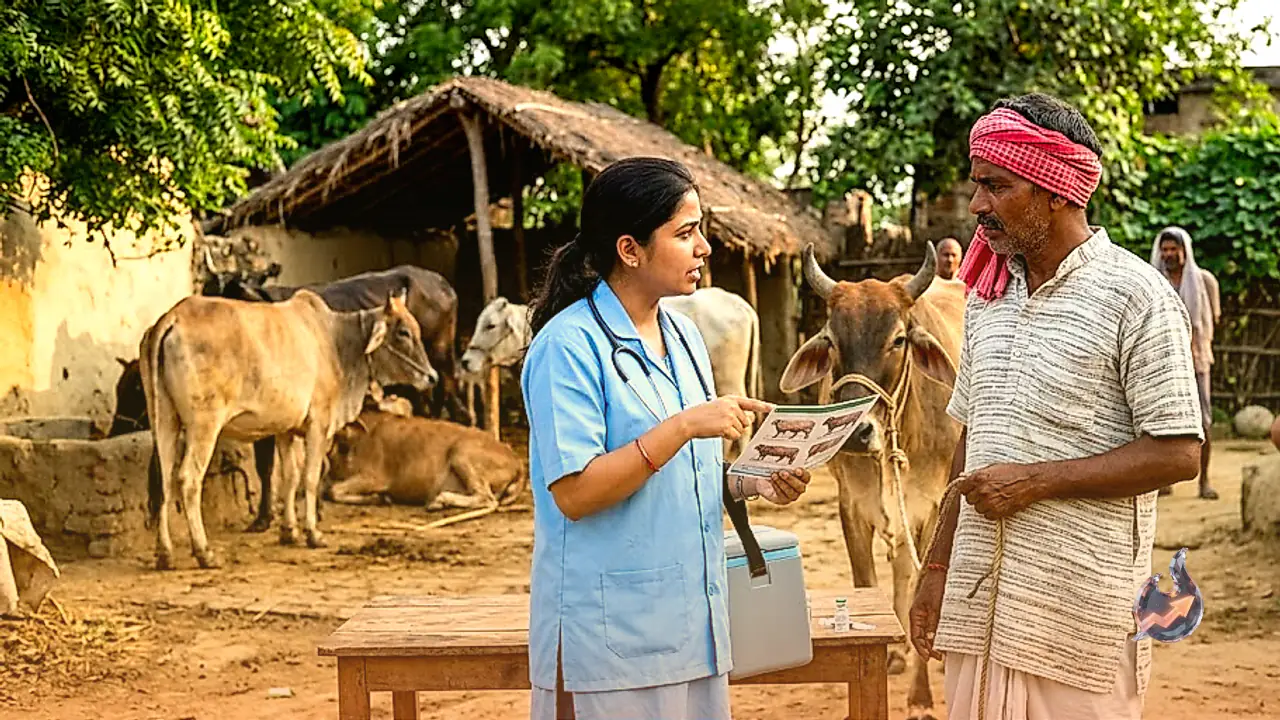
Veterinary specialists are unanimous in their view that the most effective and fundamental defense against this lethal and highly infectious virus is timely vaccination. Dr. Ramkrishna Roy has made a special appeal to all cattle owners across the state, urging them not to be complacent and to get all their eligible livestock vaccinated against Lumpy Skin Disease without any delay. Fortunately, the state government is currently spearheading a massive, village-to-village vaccination drive to shield the cattle population from this looming threat. Farmers can easily access this preventive healthcare service by contacting their nearest government veterinary hospital. Strict administrative protocols are also in place to ensure compliance; if veterinary officers are unavailable or if farmers face hurdles in receiving timely medical assistance, they have been advised to directly lodge complaints with their local Sub-Divisional Magistrate (SDM) or District Magistrate (DM). Additionally, the most critical on-the-ground precaution is immediate quarantine. If any animal in the herd exhibits early symptoms of the disease, it must instantly be segregated from the healthy cattle to break the chain of infection, and a qualified veterinarian should be consulted immediately for proper treatment.