























With the arrival of the monsoon season in the Balod district of Chhattisgarh, poultry farm operators are facing significant operational challenges due to rising humidity and water logging. Excessive moisture inside farm sheds creates ideal conditions for bacterial and fungal outbreaks, which can severely impact flock health. Addressing these concerns, Dr. D.K. Sihare, Deputy Director of the Animal Husbandry Department in Balod district, has released a comprehensive advisory urging poultry farmers to adopt stringent preventive measures during the rainy months.
Preventing Water Ingress and Securing Farm Structures
According to Dr. D.K. Sihare, the primary objective for farm owners during the rainy season is to ensure that rainwater does not enter the poultry sheds. Farmers are advised to properly cover and reinforce farm perimeters to prevent runoff from leaking inside. If rainwater manages to seep into the facility, it fosters a damp environment where harmful bacteria thrive rapidly. This standing moisture significantly compromises the birds' immune systems, making them highly susceptible to seasonal infections.
Risks of Damp Litter and Rising Mortality Rates
The bedding or litter material spread across the poultry farm floor becomes particularly vulnerable during the monsoon. When this litter absorbs moisture from rain or high atmospheric humidity, the risk of bacterial and fungal proliferation increases exponentially. Wet bedding acts as a breeding ground for dangerous pathogens, leading to respiratory and gastrointestinal illnesses among the flock. Dr. Sihare warned that failing to manage wet litter promptly can lead to uncontrollable disease spread and a sharp rise in bird mortality.
Ensuring Ventilation and Airflow During Clear Weather
While protecting sheds from rain is essential, keeping the farm completely sealed at all times can be counterproductive. Dr. Sihare emphasized that whenever the weather clears up, farm owners should open ventilation points to allow fresh airflow throughout the structure. Adequate ventilation helps flush out trapped moisture, reduces indoor humidity levels, and prevents the harmful accumulation of ammonia gas, thereby maintaining a healthier atmosphere for the birds.
Water Sanitation and Protection Against E. Coli
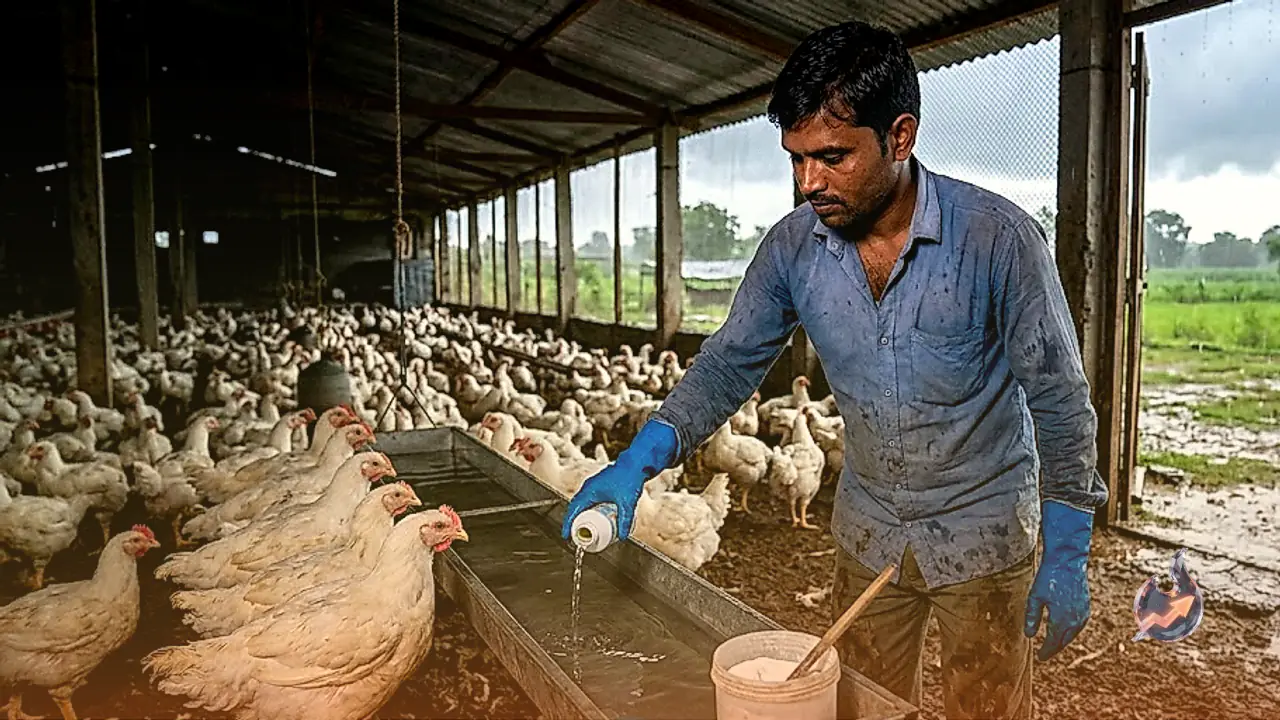
Providing safe drinking water is another critical aspect of poultry management during the monsoon. Raw water sourced directly from borewells carries a high risk of contamination by pathogens such as E. coli bacteria. Consuming untreated water can trigger immediate disease outbreaks across the farm. Dr. Sihare strongly recommended feeding birds only filtered and chemically treated water. Farmers should consult local veterinary professionals to apply recommended water treatment methods before supplying drinking water to the flock.
Avoiding Severe Financial Loss Through Preventive Care
Maintaining high standards of sanitation, ensuring dry floor bedding, facilitating proper ventilation, and supplying purified water are vital steps to safeguard poultry operations during the rains. Neglecting these fundamental practices can result in widespread illness and heavy mortality rates, ultimately causing severe financial distress to poultry business owners. Adhering to expert veterinary advice remains essential for sustainable farm management.