























The arrival of the monsoon season brings relief to farmers, but it introduces numerous challenges for livestock owners. During this period, the risk of diseases in cattle reaches its peak. Continuous rainfall and high humidity levels cause parasitic infections, bacterial diseases, and hoof-related ailments to spread rapidly. If caretakers show even a slight negligence in managing their animals during this time, it can lead to a sharp decline in milk production and pose a serious threat to the lives of the animals. Therefore, livestock owners need to pay special attention to the diet, drinking water, housing, and overall health of their cattle throughout the monsoon months.
Dangers of Moldy Fodder and Stale Water
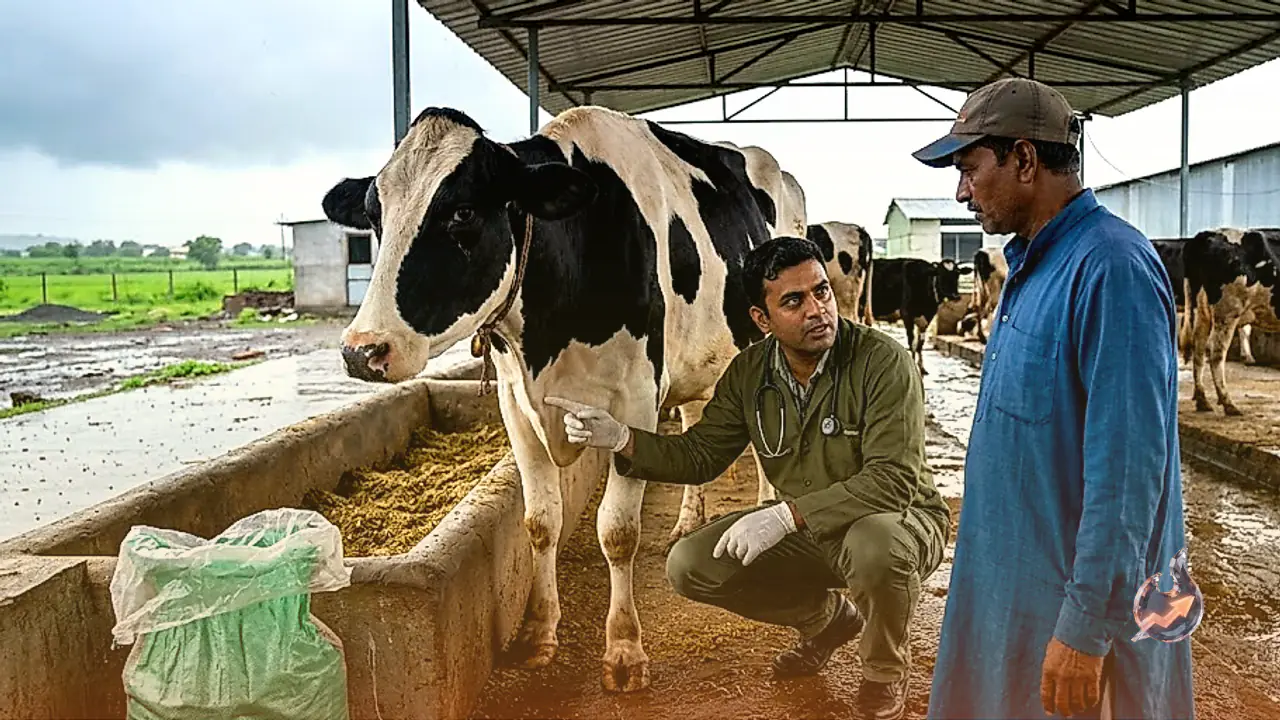
Veterinarian Vinod Chaudhary explained that the biggest hazard during the rainy season comes from wet fodder. Due to excessive moisture, feed and fodder catch fungus very quickly, which leads to the formation of toxic elements like aflatoxins. Feeding such spoiled fodder to animals can trigger toxicity and severe digestive issues, ultimately causing a massive drop in their production capacity. He advised that instead of feeding green fodder directly, it should be chopped and mixed thoroughly with dry chaff. Additionally, cattle should always be provided with clean and pure drinking water to minimize the risk of parasitic infections.
Protecting Livestock From Flies, Ticks and Parasites
The veterinarian pointed out that the outbreak of mosquitoes, flies, and ticks multiplies manifold during the monsoon, and these very parasites act as carriers for several severe illnesses. To counter this, animal owners must maintain regular cleanliness inside the cattle sheds and periodically spray appropriate insecticides or tick-control chemicals. Caregivers must ensure that water does not accumulate around the shelter area. Furthermore, animals should be administered deworming medications at regular intervals to keep internal parasites under strict control.
Managing Bloat and Toxic Weeds
Following heavy rains, various types of toxic weeds sprout up across fields and agricultural borders. If cattle inadvertently graze and consume these weeds, their health can deteriorate rapidly, making extra caution essential during grazing. Moreover, if an animal suffers from bloat due to consuming excessive quantities of leguminous green fodder, a useful traditional remedy involves mixing 50 milliliters of turpentine oil into 500 milliliters of mustard oil and drenching the animal with it.
Monitoring Buffalo Estrous Cycles and Hoof Health
According to veterinarian Vinod Chaudhary, the estrous cycle in buffaloes becomes active right as the monsoon begins. Livestock owners should closely monitor signs of heat and ensure timely artificial insemination. He further noted that standing on wet floors continuously causes the skin on the hooves to crack, allowing bacteria to penetrate inside and cause severe conditions like foot rot. To prevent this, the shed floor must be kept dry at all times by spreading lime or ash. Additionally, performing regular foot baths using a 5 percent copper sulfate or potassium permanganate solution proves highly beneficial for maintaining healthy hooves.