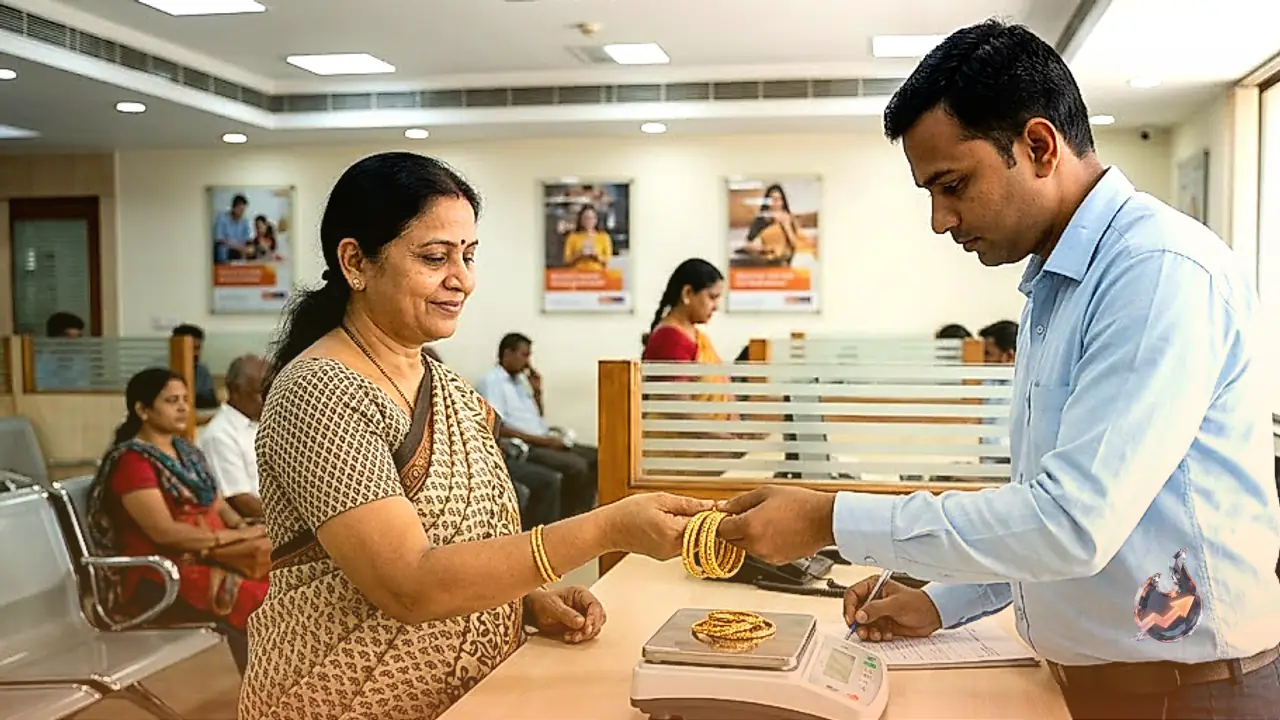
























A common misconception among salaried employees who switch to the new tax regime is that they have virtually no tax-saving avenues left. That is not the full picture. While the new regime eliminates the popular deductions of the old system, such as those under Section 80C, it still provides a practical range of benefits including a sizeable standard deduction, tax-free employer contributions, daily allowances and reimbursements that can together amount to significant savings.
The ₹75,000 Standard Deduction Needs No Documentation
Salaried employees and pensioners who opt for the new tax regime automatically receive a standard deduction of ₹75,000 from their taxable income. What sets this benefit apart is that it requires absolutely no paperwork. No bills, no receipts and no proof of expenditure need to be submitted. The deduction is applied directly without any effort from the employee's side.
Section 80CCD(2): Employer NPS Contributions Are the Strongest Tax-Saving Tool
Of all the deductions still available under the new regime, the one provided under Section 80CCD(2) of the Income Tax Act is arguably the most powerful. When an employer contributes to an employee's National Pension System (NPS) account, that entire contribution is exempt from tax, up to 14 percent of the employee's basic salary and Dearness Allowance (DA) combined. To illustrate, if an employee's basic salary and DA together add up to ₹12 lakh in a year, the employer can put in up to ₹1.68 lakh into that employee's NPS account completely free of tax. A key point is that this benefit is available over and above the ₹75,000 standard deduction, not as a substitute for it.
EPF and Superannuation Fund: Keep an Eye on the ₹7.5 Lakh Ceiling
Employer contributions to an employee's EPF account also carry a tax benefit, but only up to a defined limit. Taxpayers need to watch their aggregate carefully: if the combined annual employer contributions to EPF, NPS and the superannuation fund together exceed ₹7.5 lakh in a financial year, the amount above that ceiling becomes taxable in the employee's hands.
Rented Property with an Active Home Loan? The Deduction Still Works
Taxpayers under the new regime who own a property that is let out on rent and are also servicing a home loan on it can still claim a deduction on the interest paid on that loan. This provision is particularly useful for those who earn rental income from a mortgaged property, as it allows them to offset part of their interest cost against taxable income.
Meal Coupons and Daily Benefits Carry a Daily Exemption
Several routine employer-provided benefits remain outside the tax net even under the new regime. For the tax year 2026-2027, free meals, non-alcoholic beverages and food coupons that can be redeemed at restaurants or cafes, all provided by an employer, attract a daily tax exemption of up to approximately ₹200.
Mobile, Internet and Broadband Reimbursements Are Fully Tax-Free
When an employer reimburses an employee for mobile phone, internet and broadband expenses that are incurred for official use, the reimbursed amount is entirely exempt from tax under the new regime. Employees must submit original bills to their company to avail this benefit. Beyond reimbursements, company-provided mobile phones and laptops supplied for work purposes, as well as the insurance on such devices, are also treated as tax-free perquisites.
Select Official Duty Allowances Retain Their Exemption
While the new tax regime has brought most allowances under the taxable bracket, a specific set of allowances tied to official duties continue to enjoy exempt status. These include business travel allowances, expenses reimbursed during a job transfer, daily incidental expenses incurred while on duty, a transport allowance for differently-abled employees, and a uniform maintenance allowance.
Family Pension Recipients Are Also Covered
The new tax regime extends its benefits beyond those in active employment. Family members who receive a family pension in place of a deceased employee are also entitled to a deduction. They can claim whichever is lower between one-third of the total pension received and a maximum ceiling of ₹25,000, reducing their taxable income accordingly.