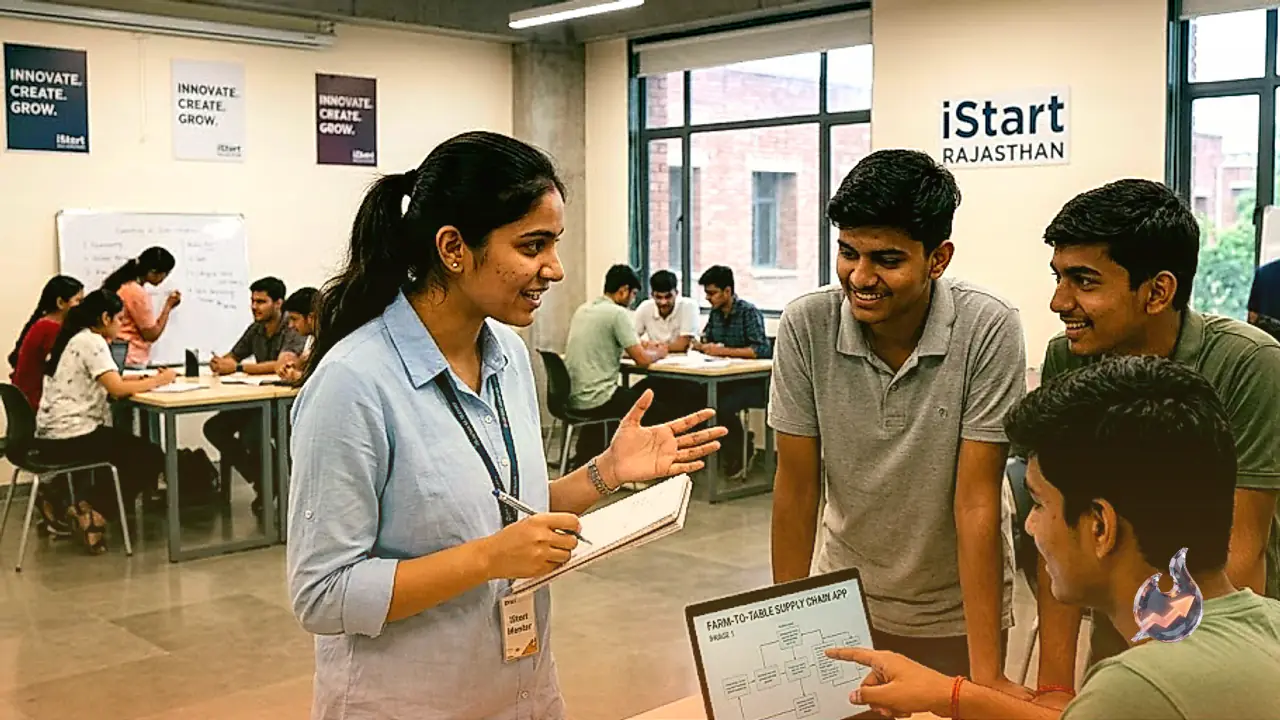























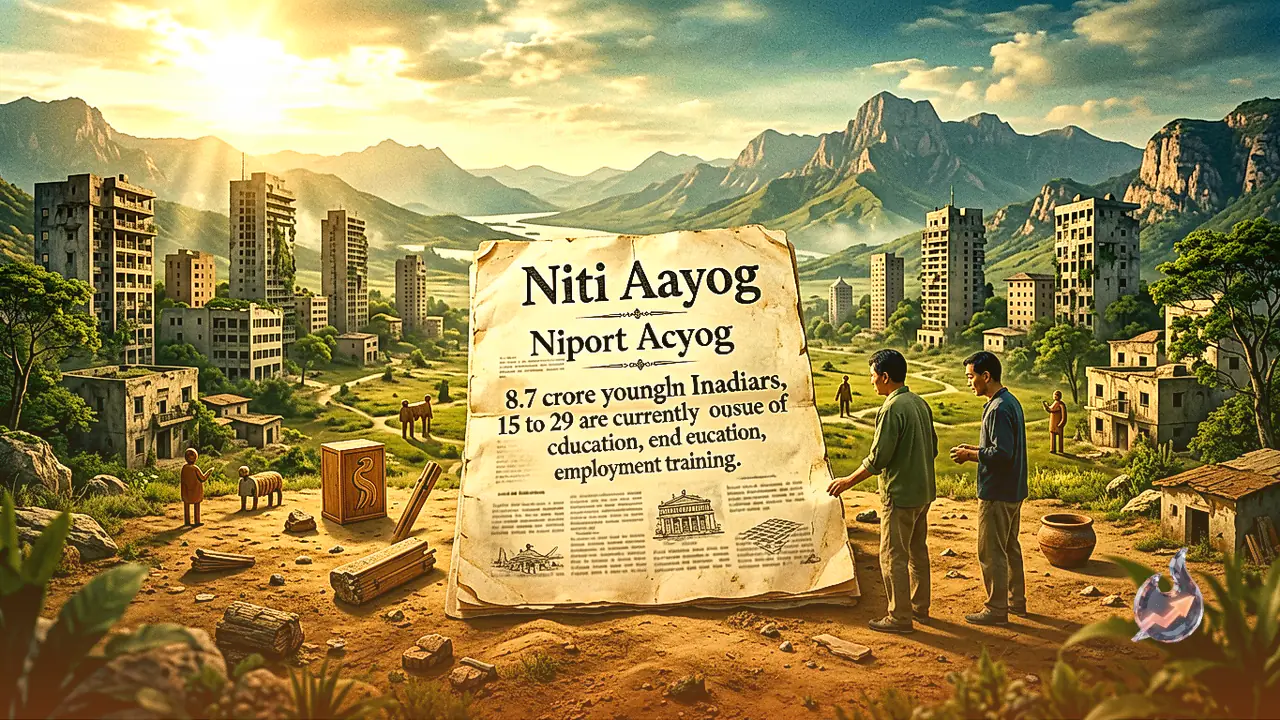

New Delhi. Amid growing concerns and debates surrounding youth employment in the country, Niti Aayog has released a startling report detailing the scale of unengaged youth. The government think tank stated that approximately 8.7 crore young individuals aged between 15 and 29 years are currently neither pursuing any education, nor engaged in employment, nor undergoing any form of training. Emphasizing the gravity of the situation, the report calls for an urgent rollout of subsidized training programs designed to encourage self-employment while aligning with local demands and emerging industry sectors.
New Vision for Skill Development and Data Sources
Titled ‘Reimagining Skill Development for Viksit Bharat 2047’, the report clarifies that these estimates are derived from data collected during the 78th round of the National Sample Survey conducted in 2021. To analyze the workforce and learners effectively, the agency categorized them into five distinct groups: school education, higher education, formal and informal sectors, youth not in education, employment, or training, and women. The document highlights that youth who fall outside education, employment, and training face numerous hardships due to a lack of income and the financial burden of past schooling. Students often find it impossible to afford fee-based skill training alongside their existing financial obligations.
Financial Pressures on Low-Income Households
Niti Aayog noted that providing affordable or subsidized training options along with tailored financial assistance is essential for women and youth who are detached from jobs and education. Students belonging to lower-income households are already overwhelmed by steep college fees and, in many cases, private tuition expenses. Consequently, investing in additional fee-based skill programs on top of a traditional degree remains economically unfeasible for a vast majority of families.
The Reality of Graduate Employment and Low Pay
The report points out that due to these financial constraints, many students rush to secure any available job with a steady income immediately after graduation just to support their families, regardless of how low the pay might be. Furthermore, the findings reveal that only 8.25 percent of people who complete graduation manage to find work that matches their specific qualifications. This implies that over 90 percent of graduates today neither secure employment commensurate with their true potential nor receive adequate opportunities to utilize their skills properly.