























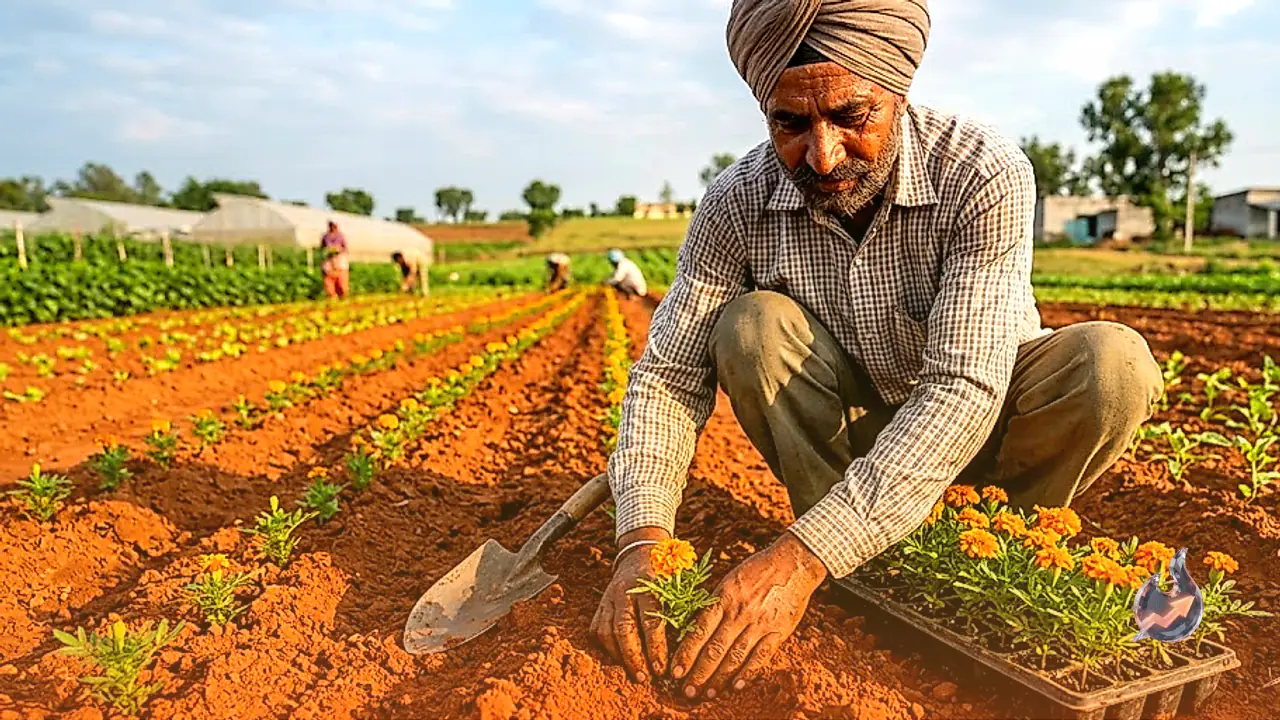

September is being flagged as a make-or-break month for marigold growers, because whatever gets transplanted now is what will be ready to sell during Dussehra, Diwali and the wedding season. According to Narendra Pratap Singh, senior horticulture inspector in Raebareli district, this month gives farmers the chance to pick from several strong varieties of African marigold and French marigold, and getting that choice right is the first step toward a good return.
What Sets African and French Marigold Apart
African marigold is usually the variety farmers reach for when they want bigger, heavier blooms that fetch weight-based rates. French marigold, on the other hand, produces smaller flowers, but they are prized for their sharp, attractive colouring, which keeps them in steady demand for garlands and decorative bouquets. Farmers can pick either type depending on their local climate and what buyers in their area are actually asking for.
The Named Varieties Farmers Are Choosing
Within these two broad types, popular named varieties worth considering include Pusa Narangi marigold, Pusa Basanti marigold, African Yellow and African Orange. Yellow and orange blooms tend to sell fastest in most local markets, so it helps to scout the nearby flower market before sowing a single seed, so that whichever colour is in higher demand gets priority in the planting plan.
Getting the Soil Ready
Soil preparation matters just as much as the choice of variety. Well-drained loamy soil is considered ideal for marigold. The field should be ploughed deeply enough to leave the soil loose and crumbly, which lets roots spread easily, and mixing in well-rotted cow dung manure afterward boosts fertility and gives young plants an early nutritional boost.
From Nursery to Transplanting
Marigold is typically grown by raising seedlings rather than direct sowing. Seeds are first used to raise a nursery, and only once the seedlings reach transplantable height are they moved into the main field. Maintaining adequate spacing between plants during transplanting is essential, since it lets air and sunlight reach every plant properly and significantly cuts down the risk of fungal and other diseases spreading through a densely packed crop.
Managing Irrigation and Nutrients
Light irrigation right after transplanting helps the seedlings take root quickly. After that, watering should track the weather and the soil's moisture levels rather than a fixed schedule. Excess water must never be allowed to pool in the field, because waterlogging rots the roots and can wipe out the crop. To get strong growth and more flowers, a balanced mix of chemical fertilisers alongside organic manure works best; feeding the plants as needed through their growth phase strengthens branching and can noticeably raise the flower count.
The Festive Season Profit Math
The biggest advantage marigold offers is that demand for it barely dips through the year. Prices climb further during the festival season and around weddings, giving farmers a real shot at better rates. That said, actual profit still hinges on how much is produced, the local mandi's conditions, the quality of the flowers, and the price prevailing at the time of sale. Farmers who line up contacts in advance, at the nearest mandi, flower market, temples, decorators and wedding planners, tend to find selling far easier once the crop is ready. A number of farmers also cut out middlemen entirely by selling straight to customers and decoration businesses, which adds directly to their earnings.
Timing the Sale Matters as Much as Growing the Crop
Good production alone will not guarantee a good outcome, timing the sale correctly matters just as much. While planning a September transplant, farmers should check which flower colour and size is fetching the best demand in their own area. Getting the variety right, tending the crop carefully and reaching the market at the right time together can turn marigold into a dependable source of extra income for farmers.