





















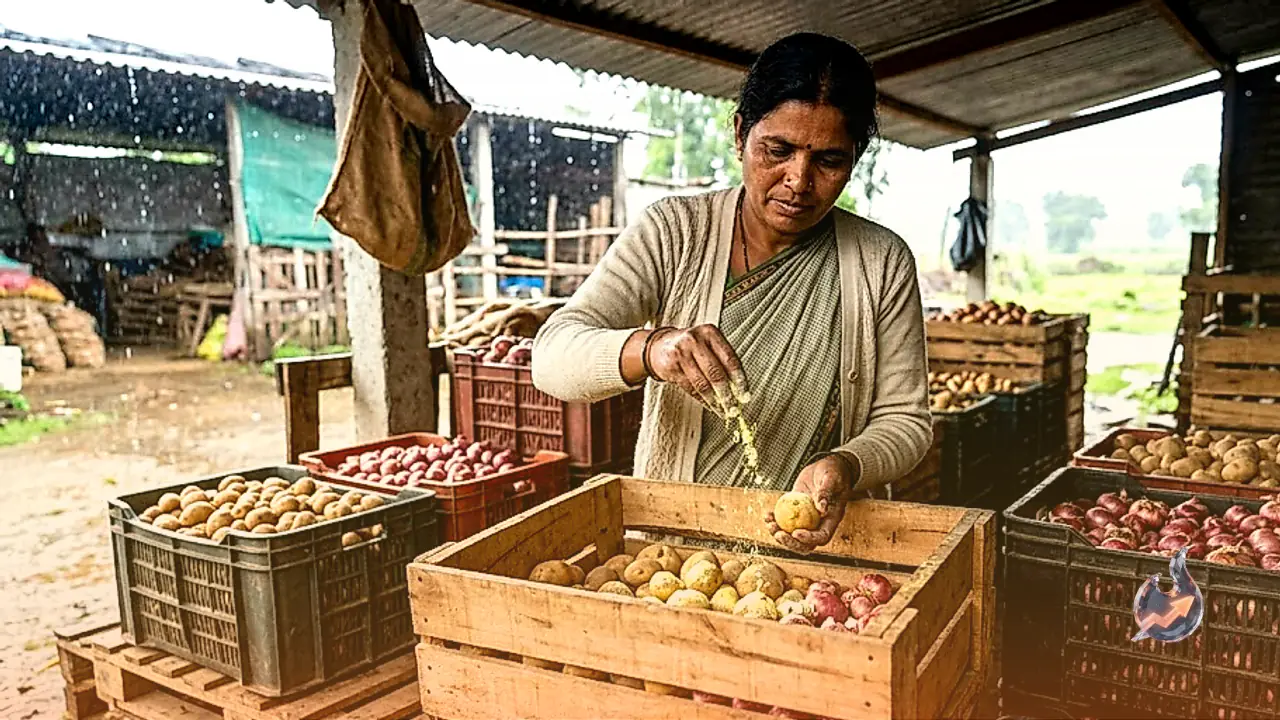

Farmers frequently store harvested crops like potatoes, onions, and garlic for extended periods in anticipation of securing favorable market prices. Nevertheless, the rainy season presents significant challenges for these specific crops. During this period, rising humidity and dampness trigger rotting issues within the stored produce. Often, a single decaying bulb can gradually ruin an entire batch, inflicting severe financial losses on cultivators. Consequently, paying meticulous attention to the upkeep and storage of these crops during the monsoon months becomes imperative.
Ensuring Proper Air Circulation
Farmers must prioritize ensuring that the room or storage facility housing potatoes, onions, and garlic maintains an uninterrupted flow of fresh air. The produce should be inspected and turned over periodically to prevent moisture accumulation between the bulbs and to ensure continuous airflow. If any bulb exhibits signs of decay or rot, it must be isolated and removed immediately, because an infected bulb can progressively contaminate the surrounding healthy crops as well.
Effective Measures Against Dampness
Krishi Vigyan Kendra In-charge and Professor Dr. I.K. Kushwaha explained during a discussion that excessive moisture remains the biggest hurdle when storing potatoes, onions, and garlic during the rainy season. Therefore, maintaining low humidity levels in the storage area is absolutely vital. The room must feature robust ventilation, and the stock should undergo regular cleaning and maintenance.
Using Sulfur and Camphor Fumigation
He noted that fumigating the storage room with sulfur and camphor can also prove highly beneficial. This practice helps suppress the harmful impact of various germs and pathogens present in the environment. Additionally, farmers should continuously monitor the potato, onion, and garlic stocks, extracting spoiled or infected bulbs from time to time to keep the rest of the batch secure.
Choosing Dry and Ventilated Spaces
According to Dr. Kushwaha, if rotting starts in even a single bulb and is not addressed promptly, the issue can spread rapidly. Therefore, during the rainy days, crops should be stored in dry, well-ventilated locations, inspected at regular intervals, and shifted or turned over as required. By adopting these essential precautions, farmers can largely prevent their inventory from spoiling and safely hold their produce until they secure better market rates.