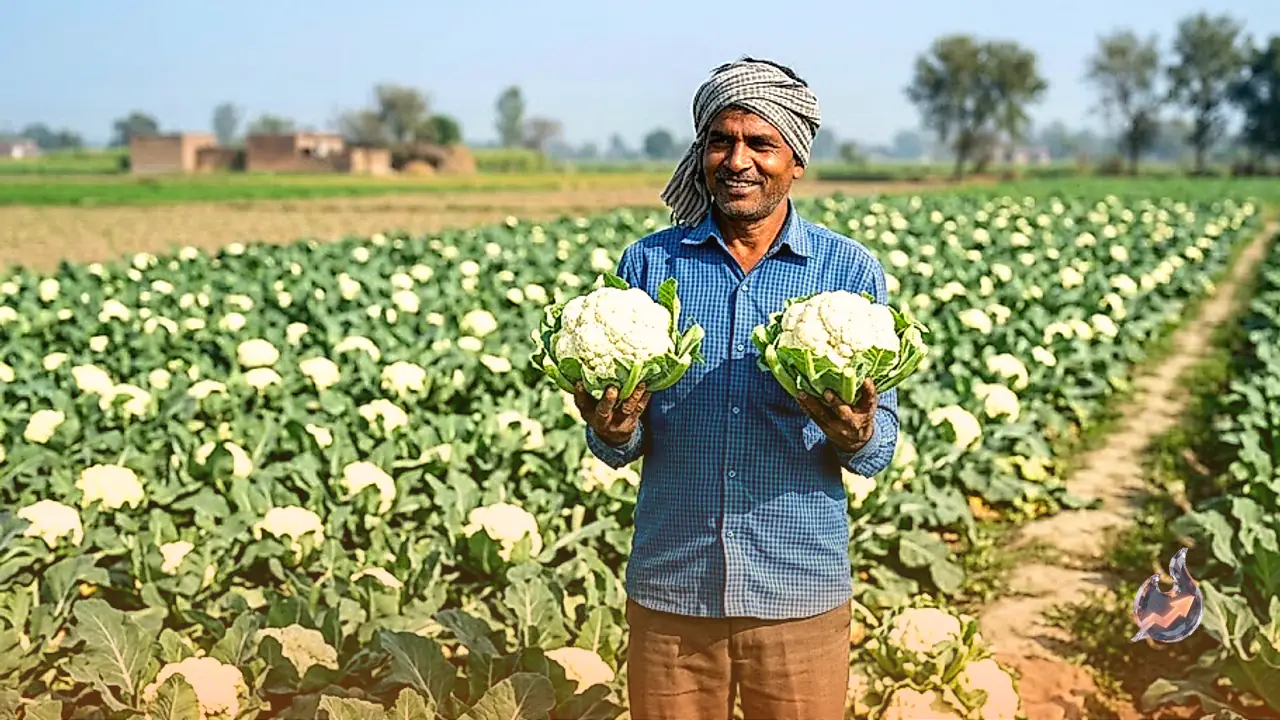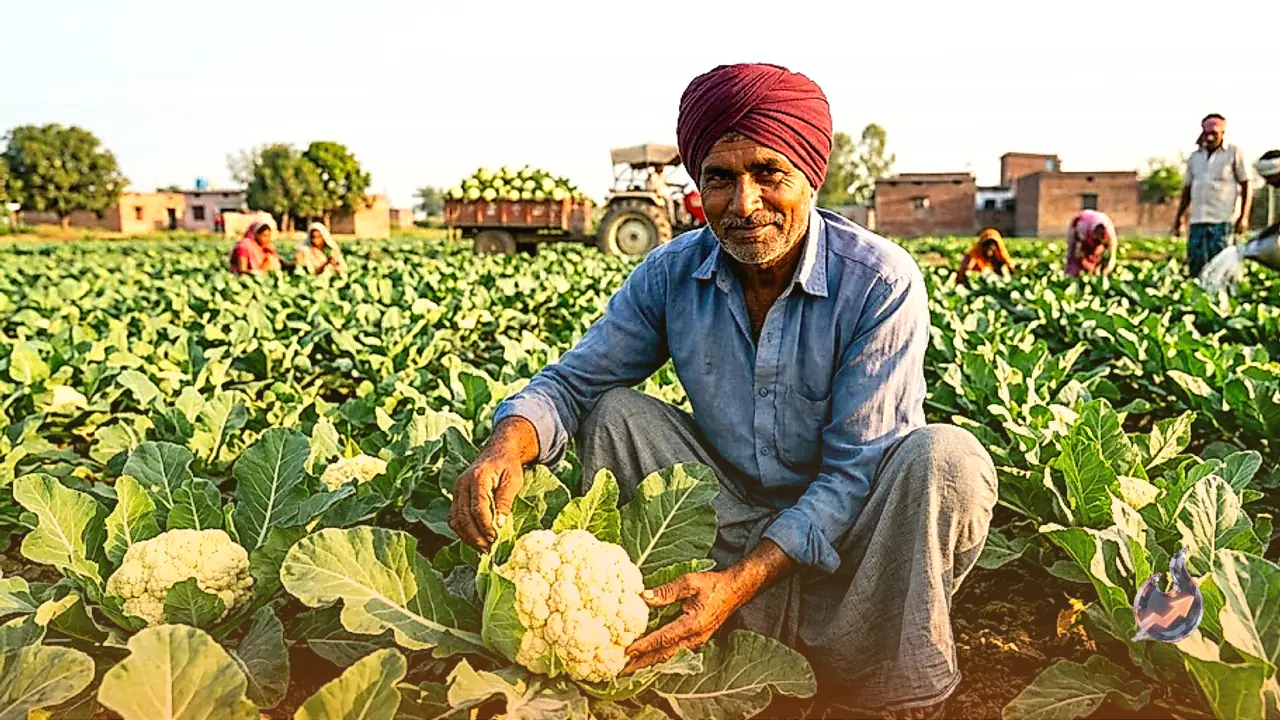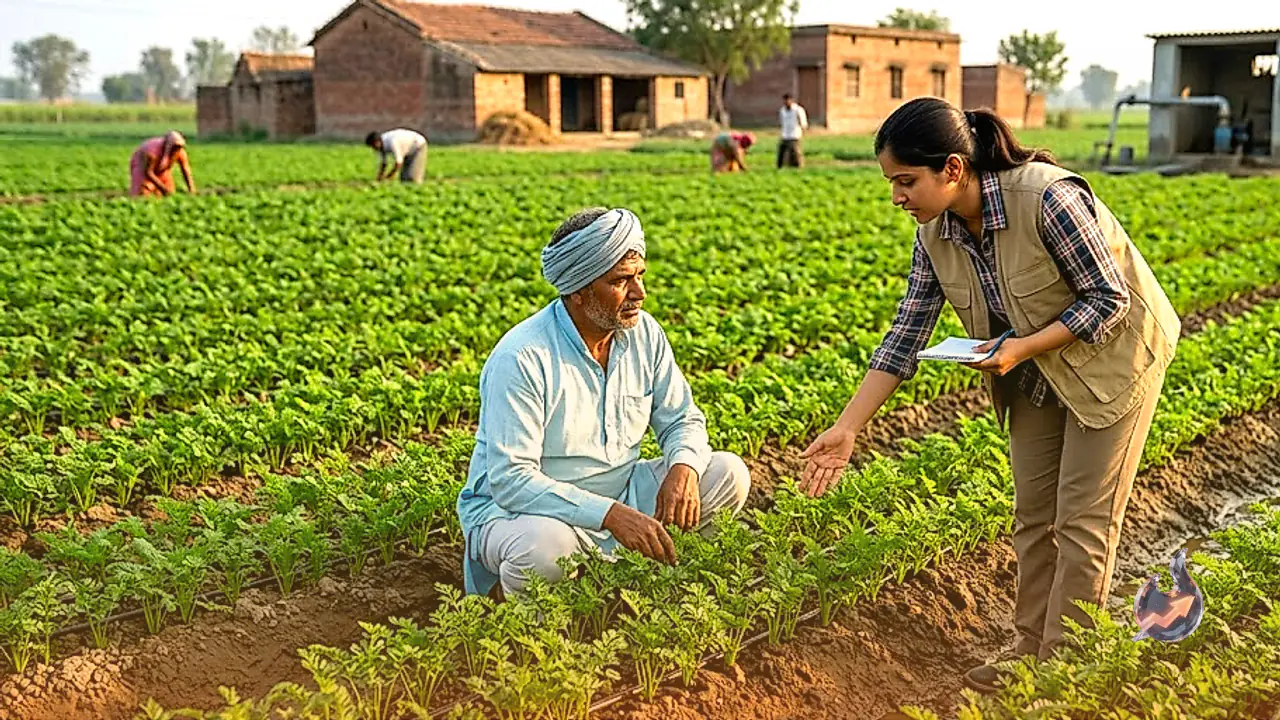

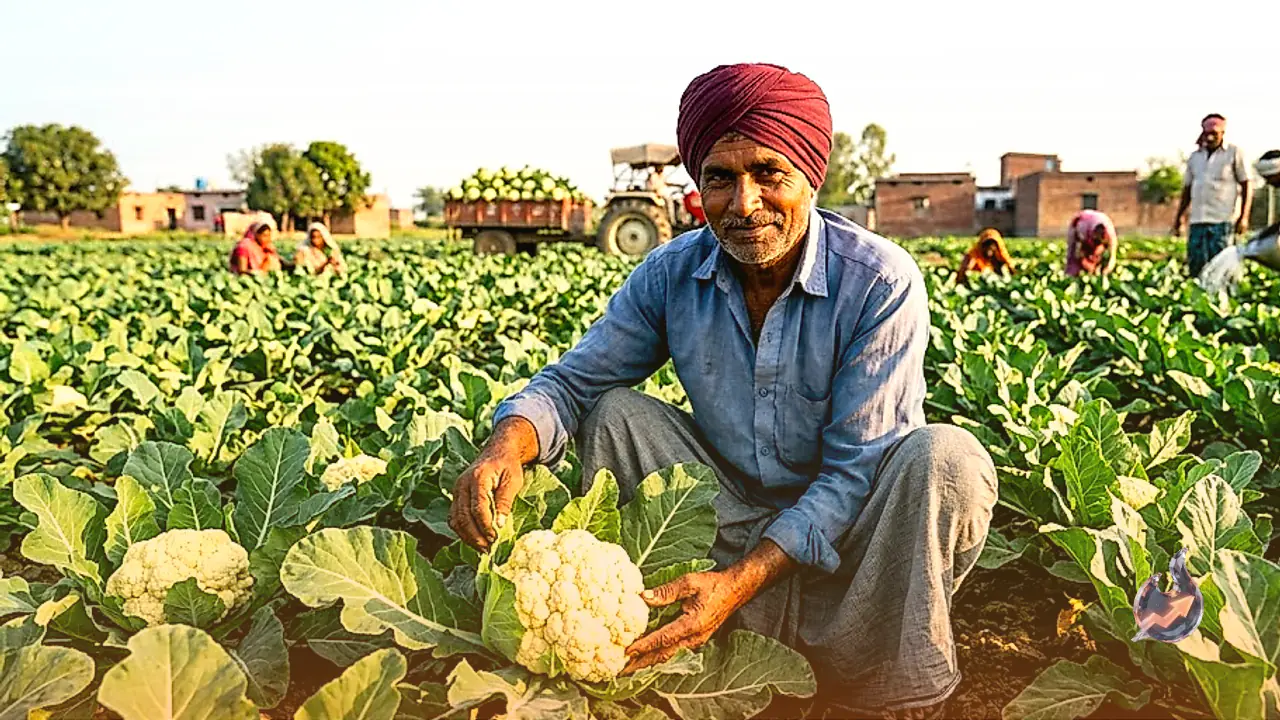





















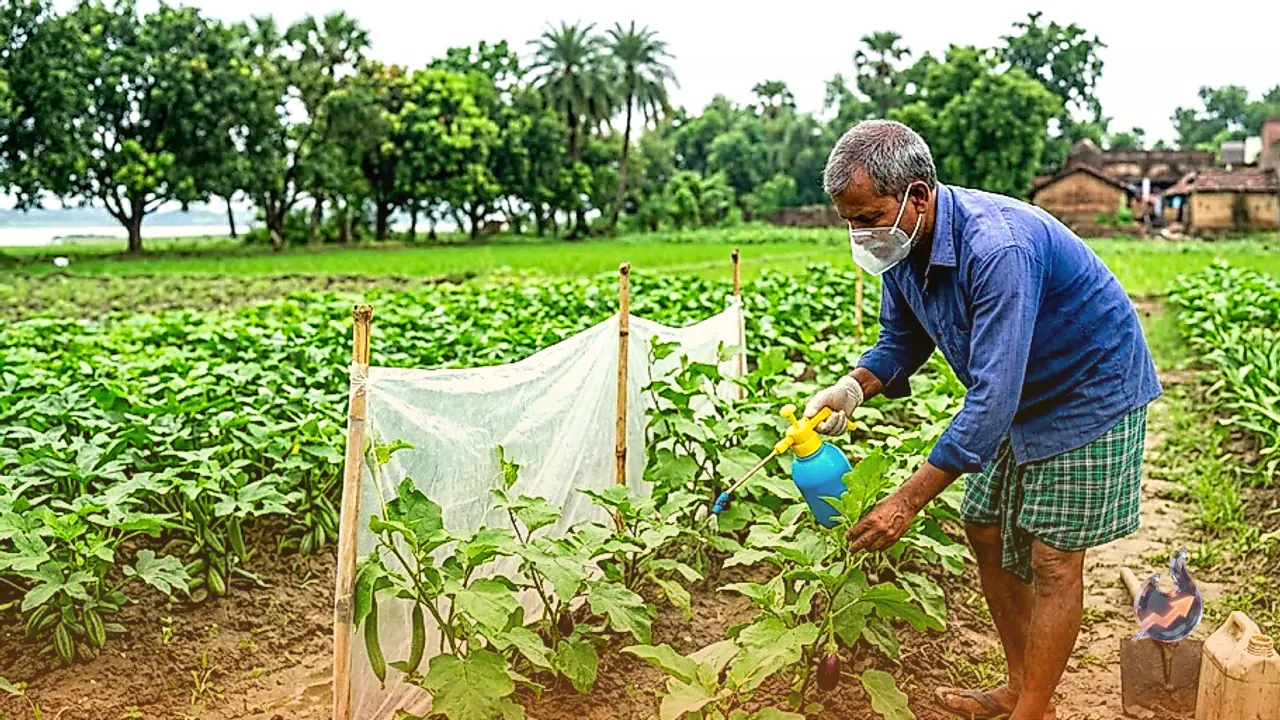

Farmers in the Bhagalpur region are increasingly shifting away from traditional farming toward commercial vegetable cultivation to maximize their profits. Green vegetables grown extensively in this area are supplied to various markets, including across the border into Nepal. Because rainy-season vegetables command higher market prices, farmers actively grow them, but this season also brings a significantly higher risk of damaging pest infestations that can ruin entire crops if left unchecked.
Why Pests Thrive During the Monsoon Season
During the rains, high humidity levels and the rapid growth of weeds create ideal conditions for pests and larvae to attack all types of vegetable crops, including climbers. According to Sujit Pal, an official at the plant protection department and an agricultural expert, moisture and unwanted grass are the primary culprits behind heavy pest outbreaks. Farmers who invest a little extra effort during the monsoon can successfully protect their plants while capitalizing on the higher market prices that green vegetables fetch at this time of year.
Three Essential Steps to Safeguard Your Crops
To keep crops safe from persistent monsoon pests, experts recommend three straightforward yet effective practices. First, farmers should continuously weed their fields as soon as vegetables are planted. Removing grass regularly prevents pest larvae from settling on the crop and spreading.
Second, applying neem oil on a weekly basis helps deter insects, though rain can wash it off, meaning the weekly routine must be maintained. Third, growers can use targeted insecticides and install sticky traps around the plants to intercept flying pests easily. Implementing these methods significantly reduces the likelihood of severe crop damage.
Combating Whiteflies and Other Destructive Pests
Whitefly infestations are currently causing major concerns, as these pests distort the shape of vegetables and leave noticeable hole-like marks on the foliage. Both red and white pests also inflict substantial harm on growing plants. Taking these preventive measures ensures that farmers can effectively fend off these threats and keep their harvests healthy and profitable.