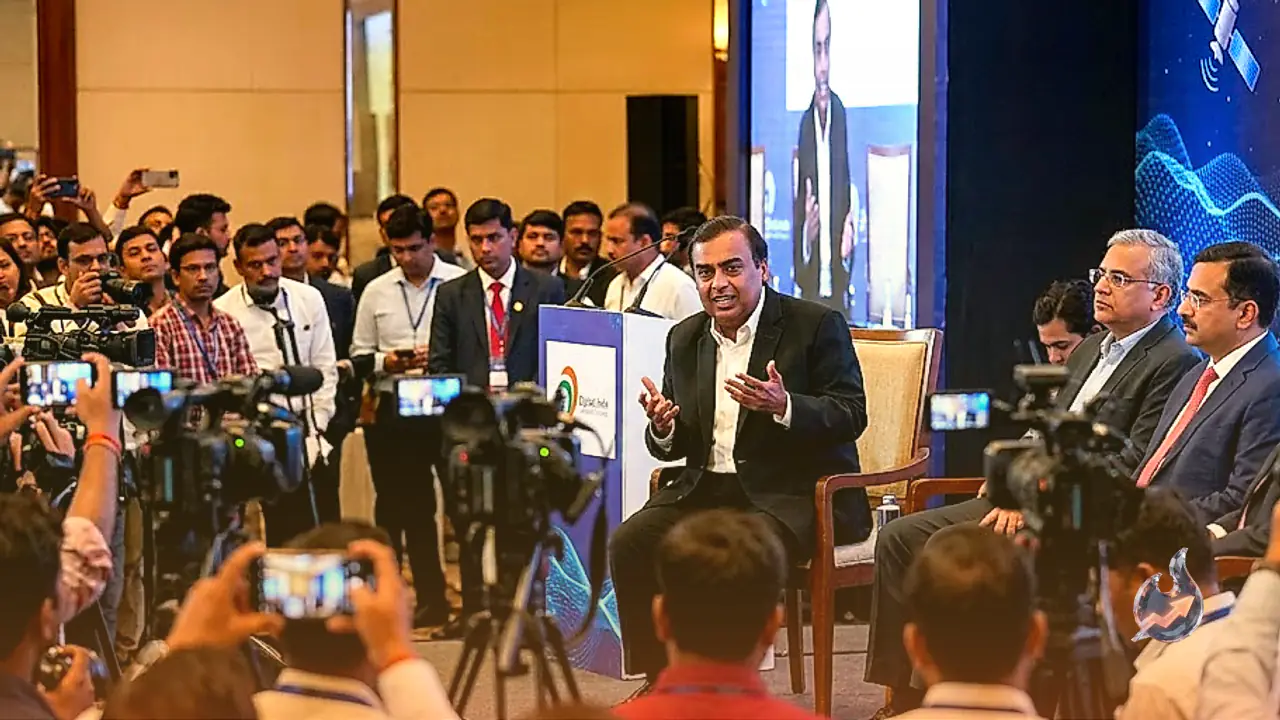

The impending arrival of global satellite internet providers into the Indian communications landscape has triggered a wider debate regarding licensing protocols and competitive fairness. Addressing concerns raised around market access for Starlink, the satellite venture led by Elon Musk, Mukesh Ambani-led Reliance Industries made its position unambiguous. The conglomerate stated that it does not fear commercial rivalry from any entity, asserting that India has always been a receptive ground for fresh capital, technological innovation, and competitive enterprise, provided that every market participant abides strictly by the regulatory frameworks established by Indian authorities.
Regulatory Parity and Equal Standards for Domestic and Foreign Operators
In a formal statement released on Friday, Reliance Industries articulated that healthy rivalry within the nascent satellite broadband industry is ultimately beneficial for consumers. The company highlighted that foreign enterprises, including Starlink, should certainly participate in India's digital trajectory, as the country provides substantial headroom for both indigenous and international technological innovation. However, Reliance stressed that launching commercial services requires uncompromising adherence to local statutory requirements, national security clearances, and standard administrative compliance. Backing the established policy stance of the government, the firm argued that foreign entrants must operate under the exact same procedural criteria applied to domestic telecom businesses, without exemptions.
Jio Awaits Its Own Approvals for Commercial Satellite Broadband
Underscoring its call for universal regulatory compliance, Reliance revealed that its own satellite broadband venture under Jio is currently awaiting the necessary government clearances. This procedural pause demonstrates that regulatory scrutiny remains stringent across the board and applies equally to entrenched Indian corporations as well as foreign prospective players. The remark arrives amid public exchanges concerning Starlink's ambition to tap the vast Indian market, where Musk has advocated for frictionless entry to facilitate wider consumer choice. Reliance, meanwhile, reiterated that maintaining identical rules across all commercial competitors is essential to ensure lawful and balanced operations.
Growth Trajectory From Zero Subscribers in 2016 to Beyond 53 Crore
Rebutting any suggestion that it seeks protectionism, Reliance highlighted its own track record in disrupting the telecom landscape. The company noted that when Jio entered the telecommunications market in 2016, it commenced operations with absolutely zero subscribers against long-established incumbent carriers. Through substantial investments in high-speed infrastructure and by delivering affordable internet data to ordinary citizens, the platform progressively earned consumer confidence. Today, Jio serves more than 53 crore customers across the country. Reliance noted that true competition serves as an authentic litmus test for service quality, and the company remains confident that superior delivery to end-users will always dictate commercial success in any segment.