
















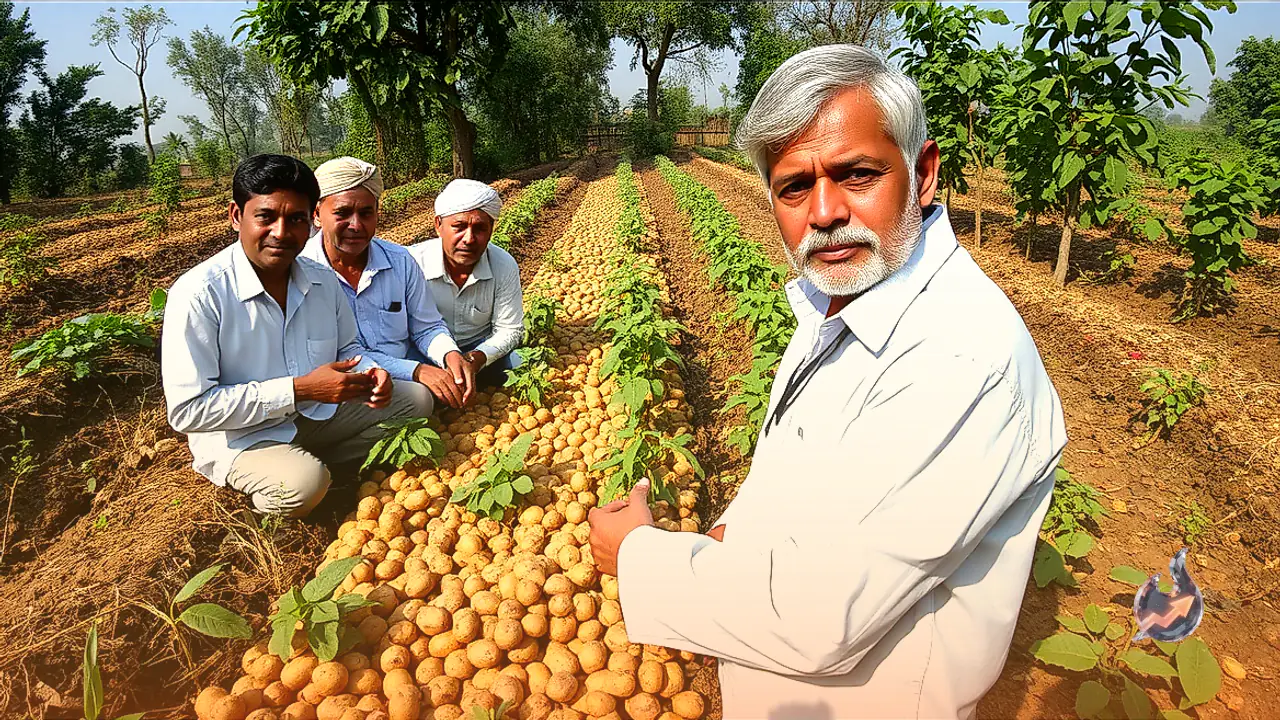

Farmers engaged in potato cultivation in the Bhojpur region have been advised to adopt scientific methods and careful variety selection to secure their yields. Agricultural scientist Dr. Vikas Kumar has outlined crucial guidelines for growers, noting that understanding local soil conditions and regional weather patterns is essential before putting seeds in the ground. Proper planning helps maintain crop quality and significantly minimizes agricultural uncertainties.
Selecting the Right Potato Varieties
Choosing the correct seed variety forms the foundation of a successful harvest. Farmers can evaluate and select from various recommended options such as Kufri Lalit, Kufri Lima, Kufri Kanchan, UC Map, Kufri Chipsona, and Rajendra-01, keeping their specific local conditions in mind. Before undertaking large-scale cultivation of any particular variety, growers are encouraged to gather authenticated details regarding its maturity period and overall production capacity from reliable agricultural sources.
Essential Practices Beyond Variety Selection
Merely picking a superior variety is not enough to guarantee a bountiful harvest. Growers must also pay close attention to the exact sowing schedule, the use of certified quality seeds, proper seed treatment, thorough land preparation, measured irrigation practices, and balanced nutrient management. Coordinated management across all these agricultural aspects helps preserve the natural quality of the produce and curtails potential financial risks.
Managing Blight Disease and Field Monitoring
Blight disease represents a major hurdle for potato crops, directly attacking plant foliage and spreading rapidly under favorable weather conditions. Untreated infections can severely damage both the volume and standard of the final yield. Timely sowing according to regional weather parameters, maintaining proper drainage systems in fields, and conducting regular crop inspections are vital. Should early signs of disease appear, farmers should consult local agricultural extension scientists rather than applying chemicals arbitrarily, ensuring minimal damage to the harvest.