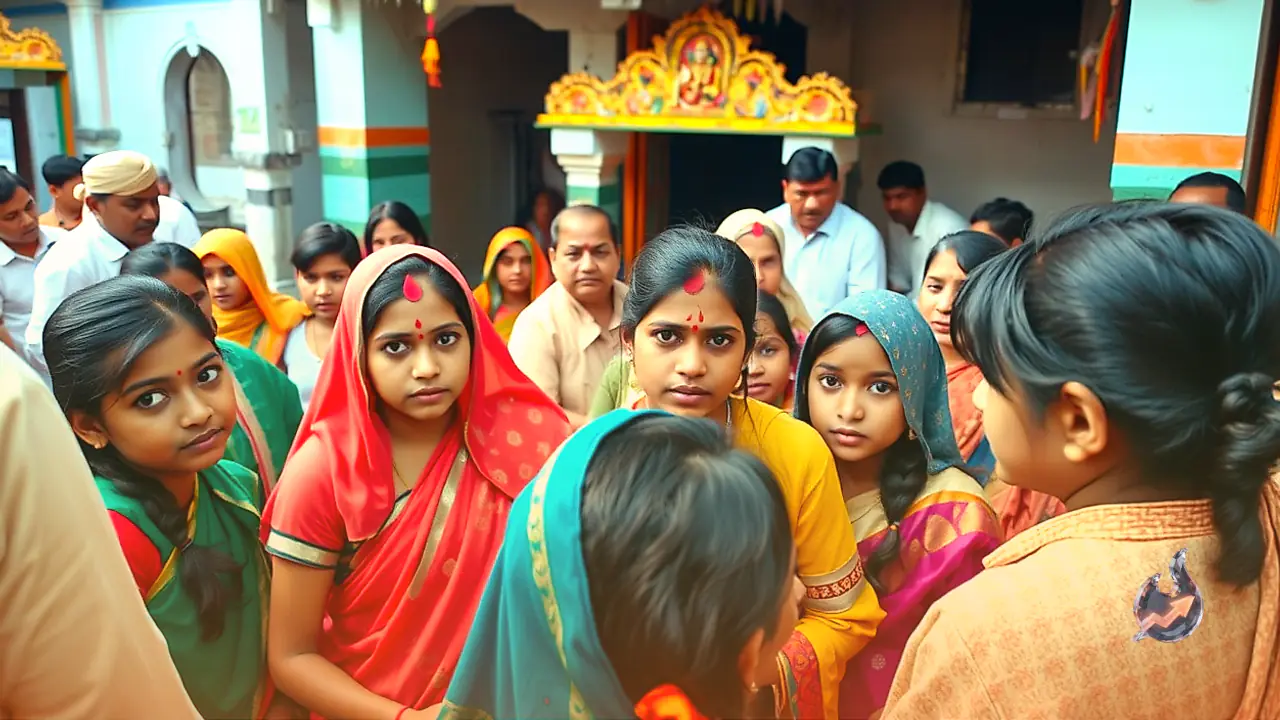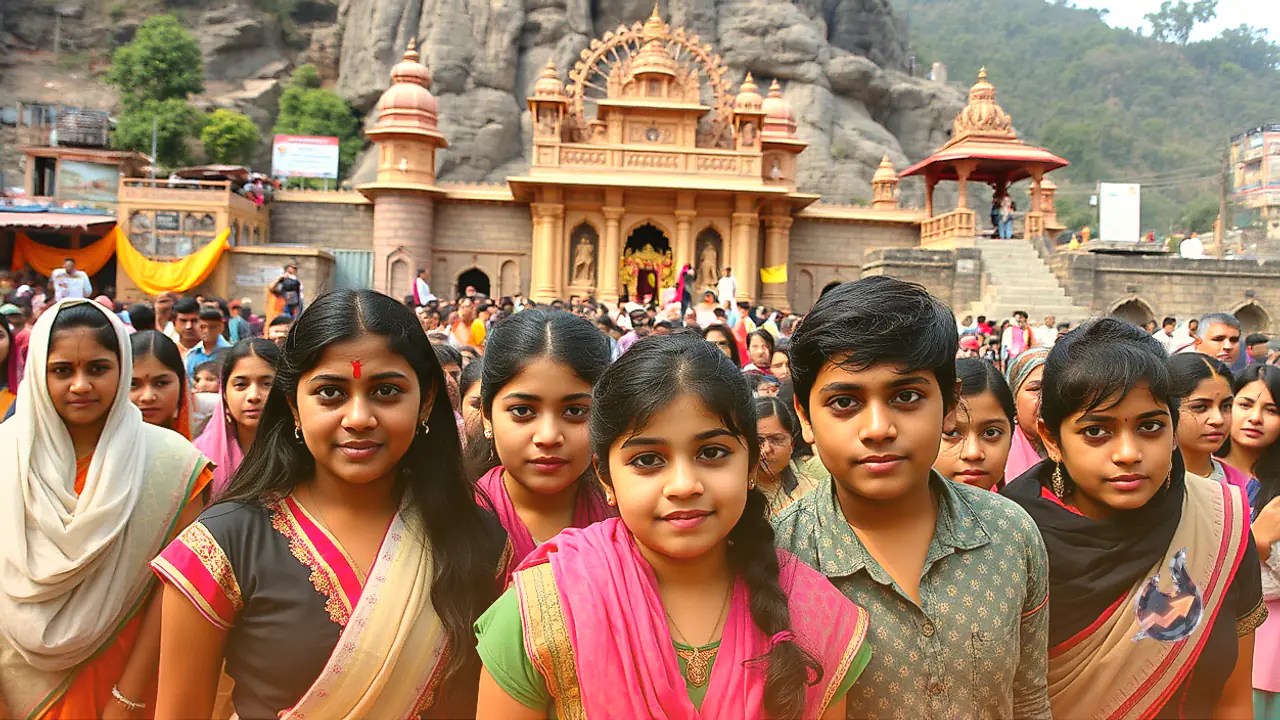



















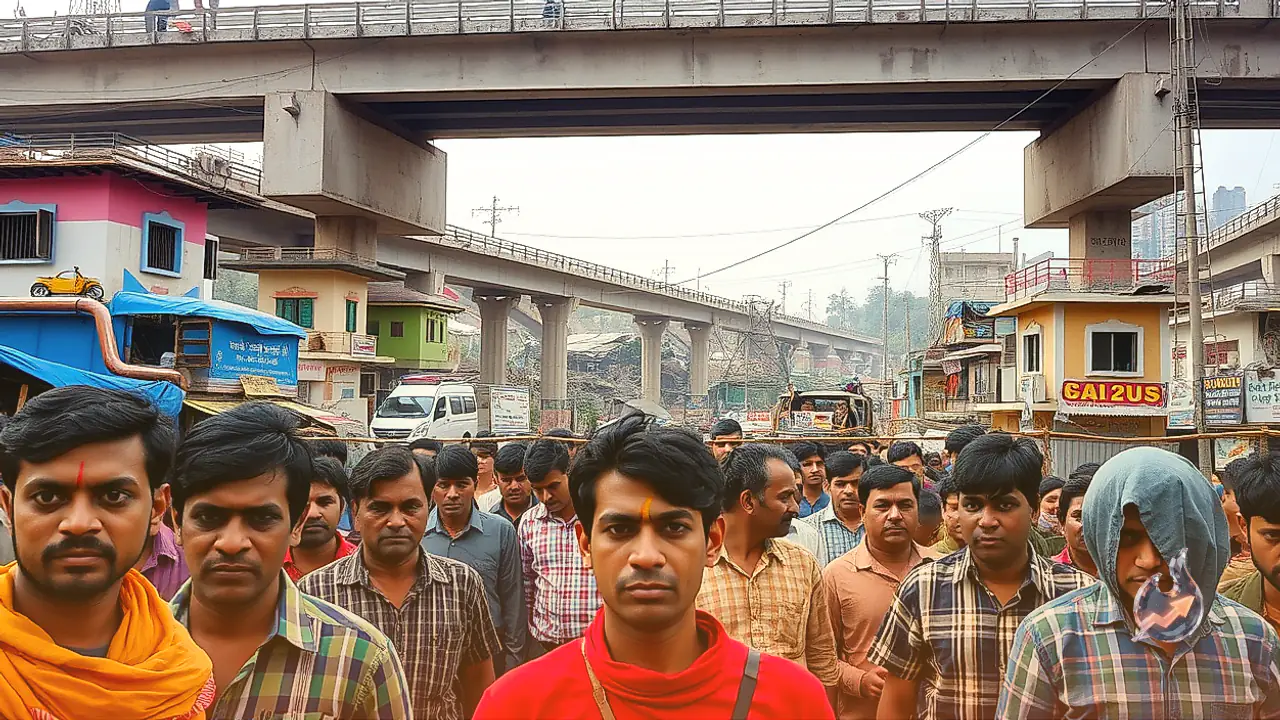

In Uttarakhand's capital Dehradun, the proposed Asharodi-Mohkampur flyover project aimed at easing traffic congestion and accommodating a growing population has triggered strong local opposition. Residents have voiced deep frustration, arguing that their lifelong savings, childhood memories, and ancestral ties are being sacrificed merely for tourist convenience. According to initial gazette norms, the plan was to widen the old highway stretching from Solitaire Hotel up to Asharodi. However, subsequent revisions have put local shelters directly in line for demolition. Estimated to cost over 2500 करोड़ रुपए, the roughly 13-kilometer-long elevated road project has raised serious concerns of displacement among families living along the alignment.
Indefinite Sit-In Protest by Affected Residents
With nearly 300 houses falling directly in the path of the tourist-focused road, residents see their cherished memories and lifelong efforts being dismantled. Under the banner of the Mohkampur Asharodi Elevated Road Sangharsh Samiti, affected individuals have taken to the streets, holding an indefinite sit-in protest in the open air to protect their homes. The threat of losing their shelters has united the community in a desperate bid to halt the demolition drive.
Struggles of Middle-Class Homeowners and Seniors
Kamlesh, an elderly woman who has lived in her home for 50 years, shared that she and her late husband built the house penny by penny, even digging the foundation with their own hands. Another resident, Neha Pandit, explained that she managed to build her house with great difficulty just a year ago, and construction work is still not entirely finished. For middle-class families, owning a home represents a monumental life goal, and the current project threatens to leave them completely shelterless.
Changes in DPR and Red Marks Spark Anger
TS Negi, who built his house two decades ago using his retirement funds, lamented that he is forced to sit on the streets at this stage of life to protect a roof over his children's heads. He alleged that the elevated road was originally planned along the national highway, but subsequent modifications to the DPR rerouted it toward residential neighborhoods. Residents discovered this alteration only when officials arrived to paint red marks on their properties. According to the struggle committee, the official gazette explicitly provided for widening the existing highway rather than cutting through residential areas.
Plight of Daily Wage Earners and Compensation Concerns
Negi pointed out that the fallout from the project extends beyond those directly displaced, affecting neighboring households as well. Many daily wage workers caught in the situation cannot join the protests because missing a single day's work would mean going without food. Amid soaring inflation, residents argue that the government compensation package is entirely inadequate to rebuild equivalent homes elsewhere. The decision to uproot locals to accommodate external tourists has fueled widespread public anger.
NHAI Stance and Administrative Meeting on October 24
Offering the authority's perspective, National Highways Authority of India (NHAI) official Saurabh Singh stated that traffic pressure between Prince Chowk and Jogiwala is exceptionally high. Widening the existing alignment would have caused massive destruction due to dense populations and large buildings on both sides. Consequently, an alternative alignment utilizing available land alongside the railway line was chosen. This route bypasses railway land, passing through Mohkampur Basti, Company Bagh, Jogiwala Phatak, Friends Colony, and the Rispana River before connecting to the Ajabpur flyover. To address the mounting controversy, the Dehradun district administration has scheduled a meeting at the collectorate on October 24, 2026, giving both affected citizens and NHAI an opportunity to present their cases.