




















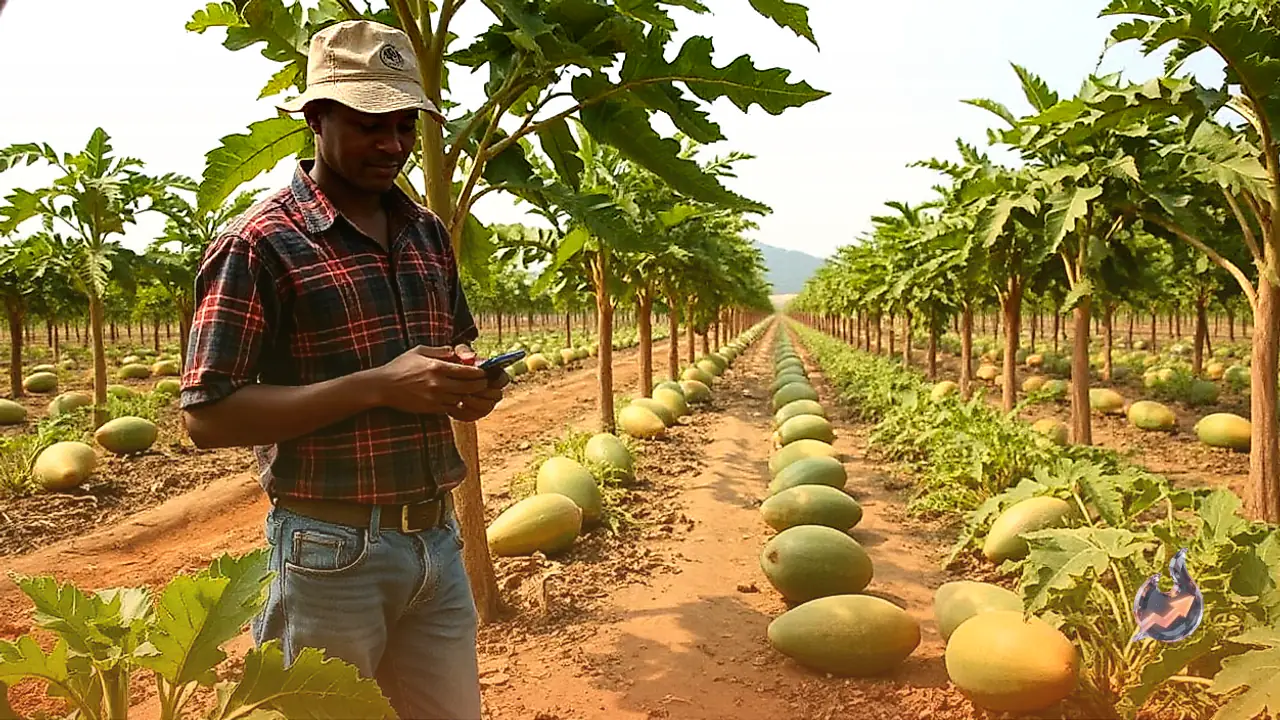

Agricultural practices are undergoing a massive transformation as traditional farming methods give way to modern techniques. Growers are increasingly shifting their focus toward horticulture, with fruit and vegetable production seeing a notable surge. Among these, papaya farming has gained immense popularity in recent years. However, cultivators frequently encounter frustrating challenges such as the fruit failing to develop proper color or lacking its natural sweetness. Understanding essential maintenance practices and minor management details is crucial to harvesting top-quality produce.
The Critical Role of Crop Management
While papaya cultivation may appear straightforward at first glance, it demands meticulous attention and precise oversight. The primary reason is that successful papaya farming relies entirely on flawless day-to-day management. Any delay or negligence in timely care can quickly escalate into major crop issues. Agricultural researcher Gunjesh Gunjan points out that proper water management is the single most vital element in successful papaya production.
Balancing Irrigation and Selecting Varieties
Excessive watering makes the fruit watery and tasteless, while insufficient water triggers severe stress symptoms, causing the leaves to turn yellow and drop. Utilizing drip irrigation systems ensures that the plants receive steady moisture, promoting robust and healthy growth. While many growers traditionally opt for Red Lady varieties, switching to native papaya cultivars can yield abundant harvests with virtually zero complications. A major advantage of local varieties is that they can be harvested green and sold directly in the vegetable market for immediate commercial returns.
Dual Profitability from Raw and Ripe Produce
Papaya is widely celebrated for its immense nutritional value and acts as a powerful remedy against various health ailments. Because of its health benefits, the crop delivers financial returns through two distinct avenues. Farmers can market the produce while it is still raw for vegetable consumption or wait until it ripens to sell it as a sweet table fruit. Both approaches generate substantial profits when cultivation follows proper agronomic guidelines, making regular crop maintenance an absolute necessity for every grower.