
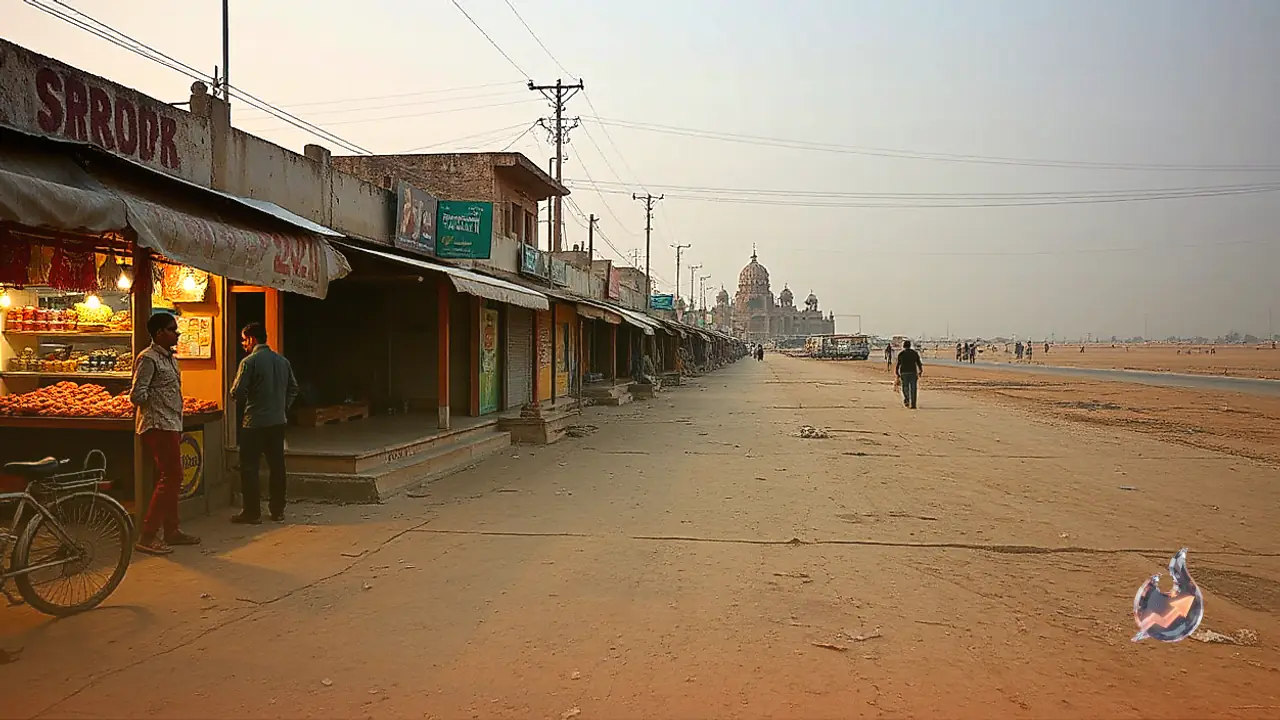















As the festive season sets in across northern India, authorities have initiated the annual closure of the Upper Ganga Canal in Haridwar. Managed under the supervision of the Uttar Pradesh Irrigation Department, the canal operations are suspended every year starting from the night of Dussehra until Diwali to facilitate necessary repairs. Originally constructed during the British colonial era under the direction of engineer Professor Arthur Cautley, the canal originates from the Bhimgoda Barrage in Haridwar and supplies water to regions spanning from Meerut and Ghaziabad to Delhi and Kanpur. Even after the separation of Uttarakhand from Uttar Pradesh, administrative control over several of these irrigation assets remained with Uttar Pradesh, which continues to oversee the seasonal maintenance schedules.
Timing and Maintenance Objectives
According to Uttar Pradesh Irrigation Department Sub-Divisional Officer Bharat Bhushan, this specific time of the year experiences the lowest agricultural demand for irrigation water. Consequently, the period immediately following the monsoon season is chosen to carry out mandatory maintenance work across various dams, barrages, and river ghats to ensure long-term structural integrity and efficient water delivery.
Impact on Har Ki Pauri and Religious Observances
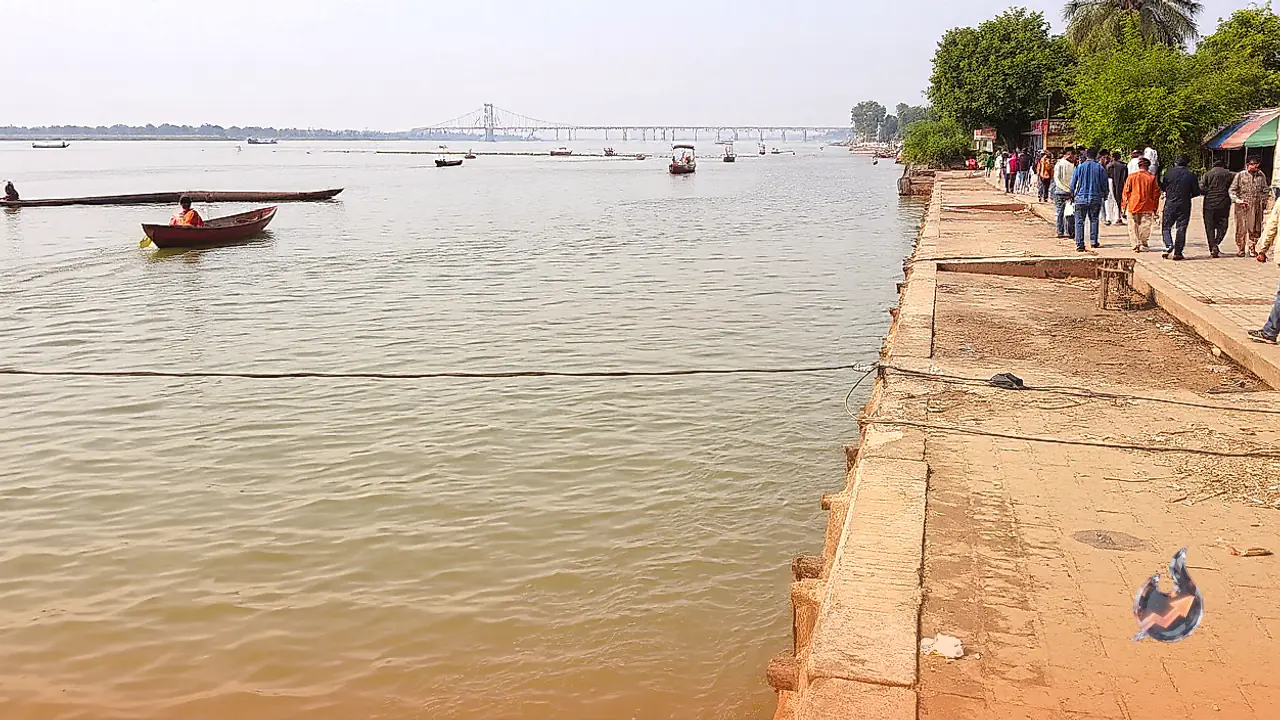
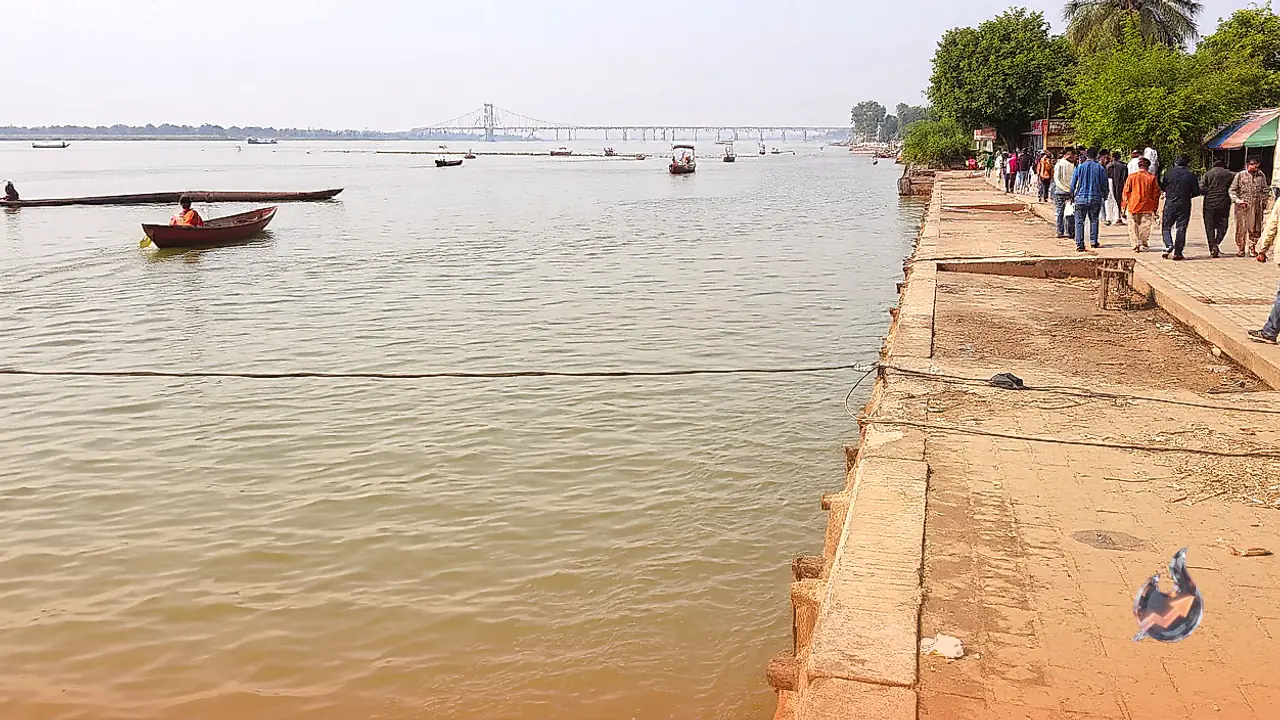
A significant portion of the water from the Upper Ganga Canal flows directly toward the renowned pilgrimage destination of Har Ki Pauri. With the canal temporarily shut down, the water level at Har Ki Pauri drops drastically, disrupting daily religious rituals and practices. This reduction in flow frequently draws concern and dissatisfaction from visiting pilgrims and local temple priests. Ganga Sabha General Secretary Tanmay Vashistha noted that discussions are underway with the Uttar Pradesh authorities to ensure an uninterrupted flow of water suitable for ritual sipping at Har Ki Pauri during the closure period.
Drinking Water Challenges in Delhi and NCR
The canal closure extends its impact far beyond Haridwar, potentially affecting drinking water availability in the national capital and surrounding metropolitan areas. A substantial share of the water supply for Delhi and the NCR relies on the canal network, raising the risk of scarcity during the peak festival season. The irrigation department stated that local administrations in the affected regions were informed well in advance regarding the scheduled shutdown. Areas dependent on the water treatment plant located in Pratap Vivhar, Ghaziabad, are particularly vulnerable to supply disruptions.
Livelihoods Along the Dry Riverbed
Beyond the logistical challenges, the dry riverbed left in the wake of the canal closure serves an alternative economic purpose for several local families. Many residents wait throughout the year for this specific window, scouring the exposed silt and sand for metallic coins, valuables, and precious items dropped by devotees over the months. For these individuals, the temporary dry spell often yields unexpected fortunes, including the discovery of gold and silver jewelry left behind in the waters.