





















A major crackdown on unauthorized medical practices has come to light in Gujarat, alongside a significant investigation into fraudulent recruitment documentation in Rajasthan. Authorities in Vadodara have arrested a man operating an illegal clinic for nearly 15 years without holding any recognized medical qualification. The accused, who has completed education only up to the 10th grade, was administering allopathic treatments to unsuspecting patients. Concurrently, details have emerged regarding a high-profile government job recruitment scam in Sanchore, Rajasthan, involving fake physical education degrees and the illegal deployment of a dummy candidate during competitive examinations.
Fake Doctor Arrested in Vadodara After 15 Years of Illegal Practice
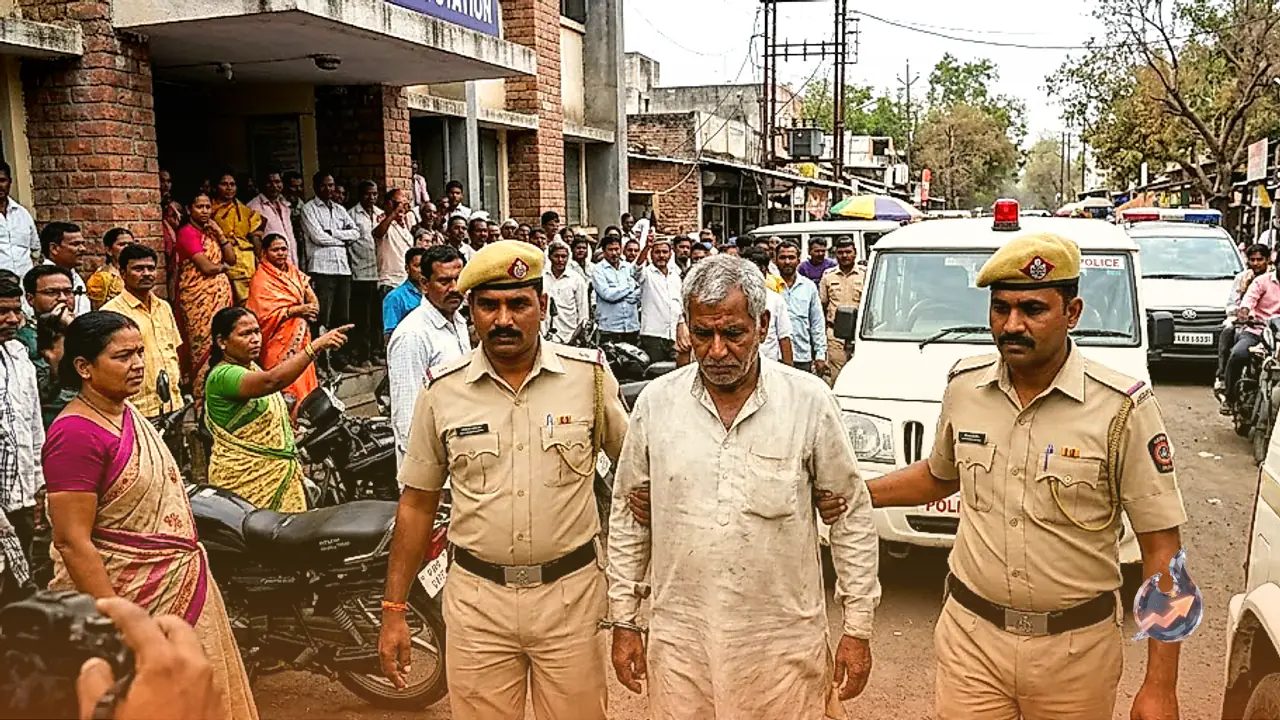
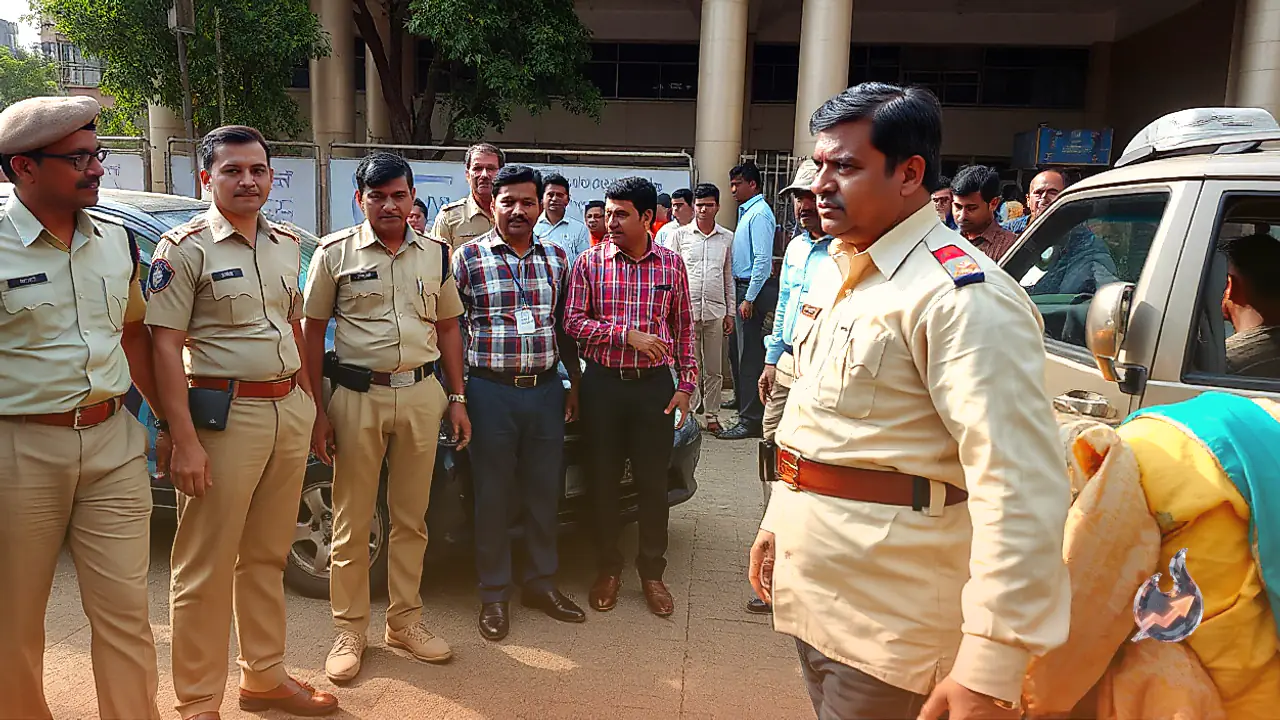
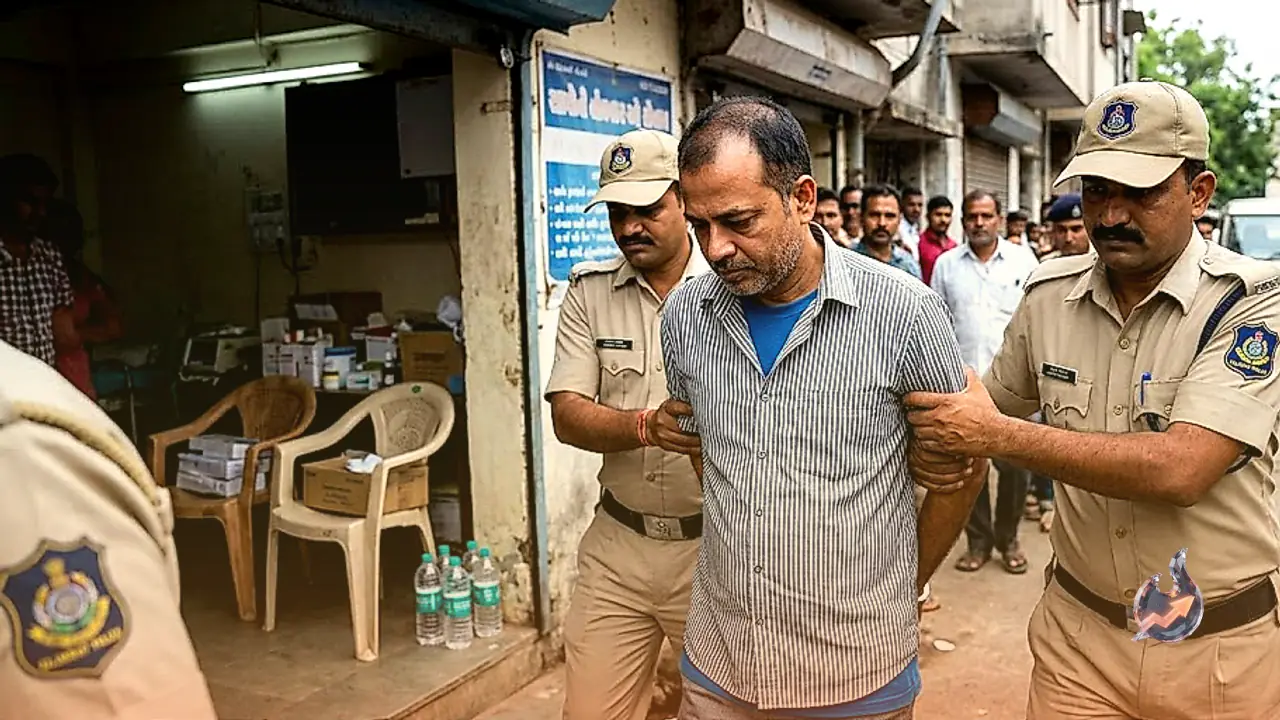
The arrest in Gujarat unfolded during a routine patrol conducted by the LCB Zone-2 team in the Akota locality of Vadodara. Police officers received credible intelligence indicating that an individual was administering allopathic medicines and providing medical treatment without valid qualification at Promila Clinic, situated directly opposite Akota Gaon Garden. Following verification of the tip-off, law enforcement officers raided the clinic premises and apprehended 45-year-old Biswajit Prafulla Haldar. Subsequent interrogation revealed that Haldar is a native of West Bengal and holds an educational qualification restricted to the 10th standard.
Medical Supplies Worth Over ₹1.19 Lakh Confiscated
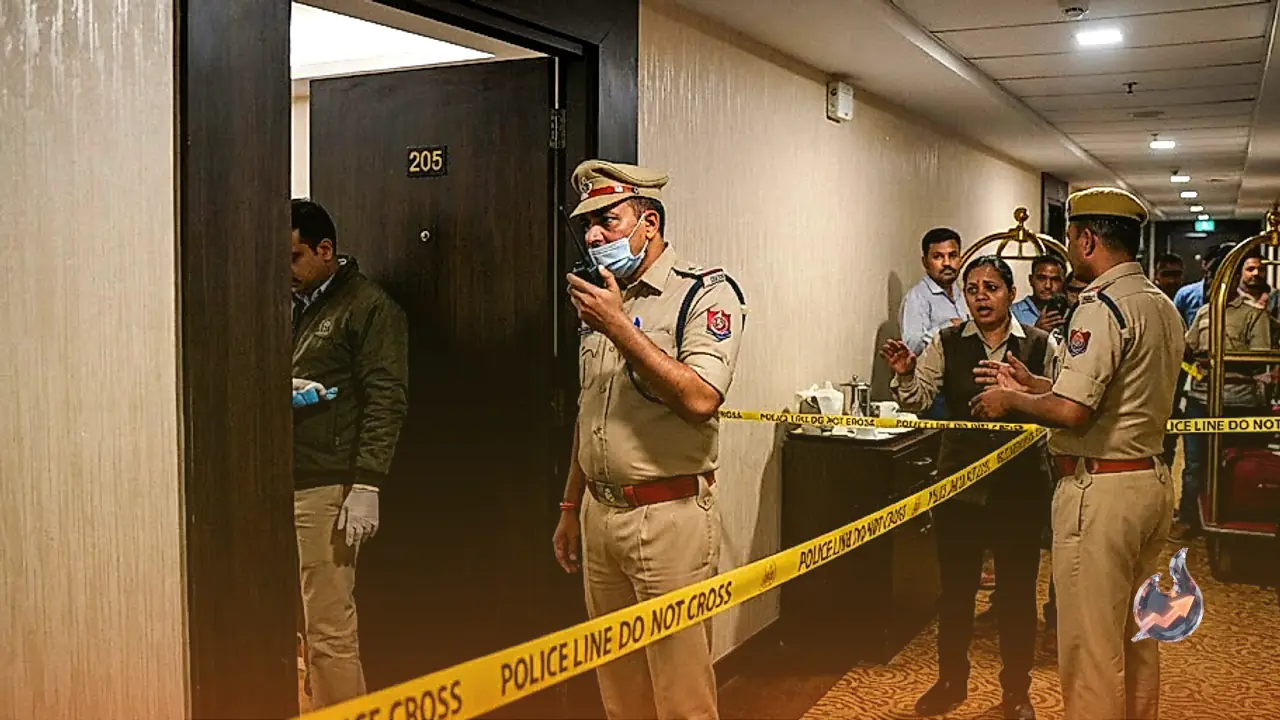
During the detailed search of Promila Clinic, investigating officers seized a substantial inventory of medical supplies, allopathic drugs, and clinical equipment valued at approximately ₹1,19,849. The confiscated goods included various medicinal syrups, injectable medications, pharmacological tubes, oral rehydration salts (ORS) packages, and pharmaceutical capsules. The unrestricted administration of such prescription medications by an individual with no formal medical training has raised severe public safety concerns among local health officials.
Formal Prosecution Under BNS and Medical Acts Initiated
Law enforcement authorities have registered a formal case against Biswajit Prafulla Haldar at the Akota Police Station under Section 125 of the Bharatiya Nyaya Sanhita (BNS) alongside relevant provisions of the Gujarat Medical Practitioner Act. Police investigators are actively examining how the accused managed to run the illicit establishment undetected for fifteen long years. The investigation is also targeting the supply chains to determine how an uncertified practitioner consistently obtained regulated allopathic medicines and injections. This arrest follows another recent enforcement drive in Uttar Pradesh where 41 fake doctors were apprehended, highlighting a broader crackdown on illegal healthcare providers.
Uncovering the Fake PTI Degree Scam in Sanchore, Rajasthan
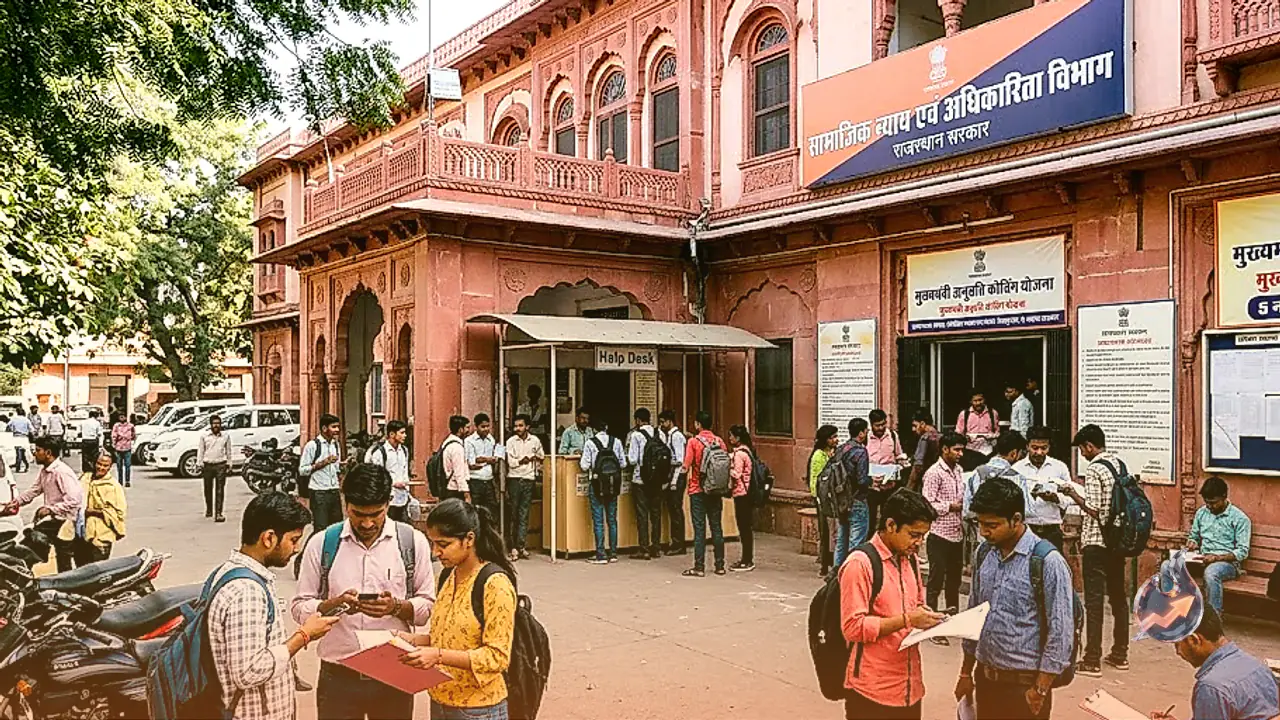
In a separate administrative inquiry in Sanchore district, Rajasthan, officials uncovered a sophisticated forgery scheme linked to public sector employment. An applicant identified as Bharmal Ram submitted an application in December 2022 for the Rajasthan state government's Physical Training Instructor (PTI) examination. Along with his application, he submitted a B.P.Ed. degree certificate purportedly issued by OPJS University in Churu. However, when selected candidates were summoned for mandatory document verification, Bharmal Ram presented a B.P.Ed. degree from Satya Sai University located in Sehore, Madhya Pradesh, instead of the Churu-based institution. This glaring contradiction between the application credentials and verification records prompted immediate administrative suspicion. Subsequent inquiries further indicated that an alleged dummy candidate had impersonated Bharmal Ram during the written examination.
Forensic Audit Exposes Backdated Records and Cash Transactions
Investigating agencies seized official registers, computer databases, and institutional records from the university to conduct a detailed forensic audit. The audit revealed that two distinct account entries existed under Bharmal Ram's name. Furthermore, investigators discovered that blank pages had deliberately been left in official register logs to facilitate the creation of backdated degrees in exchange for money. To avoid leaving digital footprints or payment trails that could betray the actual dates of issuance, transactions for these fraudulent certificates were executed strictly in cash. While these findings expose critical vulnerabilities in document verification processes, official confirmation of criminal liability remains subject to ongoing police investigation and judicial determination.