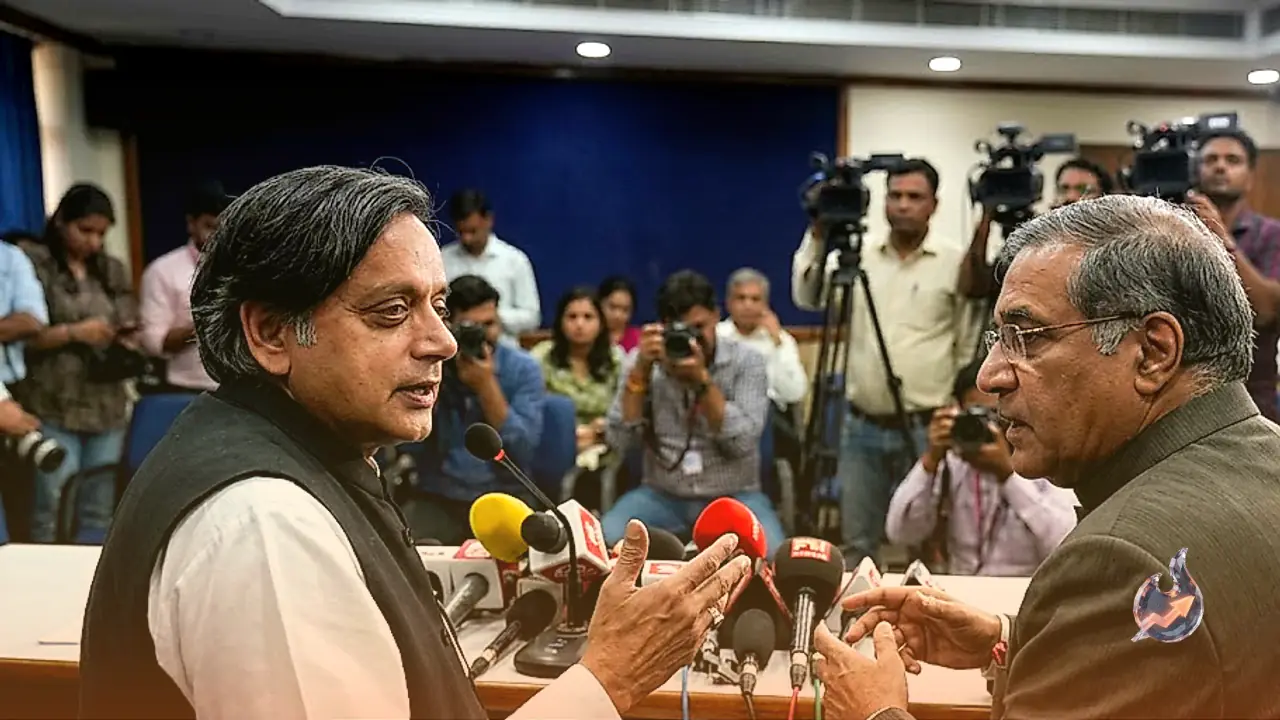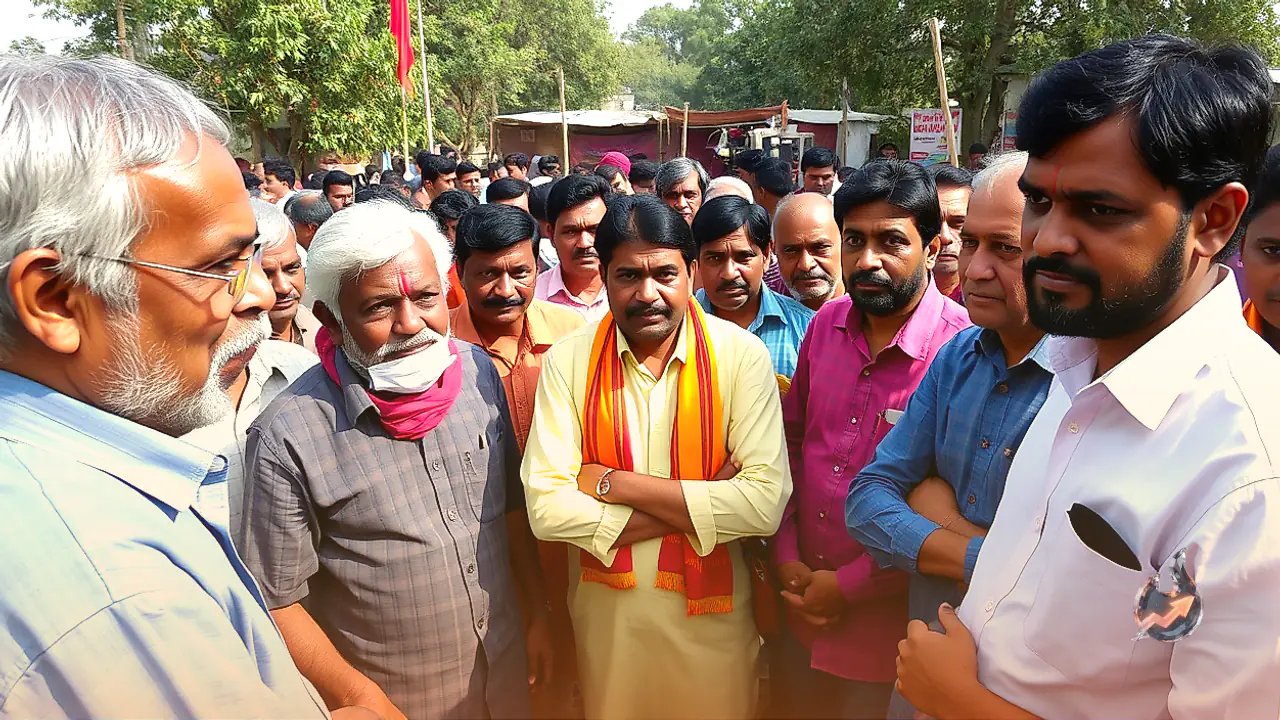
















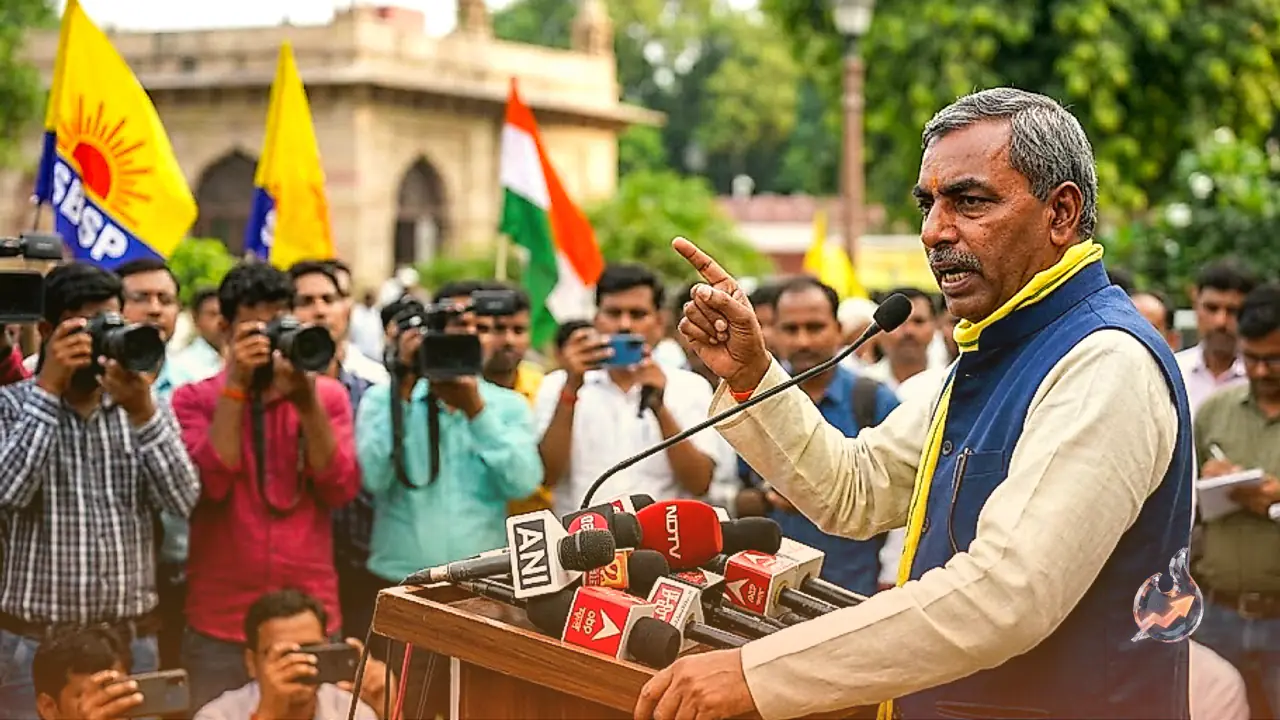

Suheldev Bharatiya Samaj Party chief Om Prakash Rajbhar, a key constituent of the ruling NDA coalition in Uttar Pradesh, made a strong push on Wednesday for restructuring the existing reservation framework in India. He argued that affirmative action benefits should be granted strictly on the basis of economic status rather than social background, contending that affluent families within reserved categories are depriving underprivileged individuals of their legitimate rights.
Demand to Exclude High-Ranking Official Families from Quota Benefits
Cabinet Minister Om Prakash Rajbhar outlined specific administrative and constitutional positions whose holders should no longer be eligible for reservation benefits. He stressed that individuals who have attained elite designations—such as District Magistrate (DM), Superintendent of Police (SP), Inspector General (IG), Deputy Inspector General (DIG), Director General of Police (DGP), Governor, Chief Minister, or President—do not require quota support anymore. He noted that when well-to-do families continue to absorb reservation opportunities generation after generation, the poorest sections within backward communities remain marginalized.
Invoking the vision of Constitution maker Dr. B.R. Ambedkar, Rajbhar stated,
"Someone who has become a DM, SP, IG, DIG, DGP, Governor, Chief Minister, or President does not need reservation."He elaborated that Dr. Ambedkar's original intent behind introducing reservation was to uplift vulnerable citizens who had been left behind and integrate them into the nation's mainstream. However, the benefits are currently being monopolized by families that have already advanced socially and economically. Earlier, SBSP National Secretary Arvind Rajbhar had similarly advocated implementing economic criteria for quota eligibility.
Emphasis on Category Sub-Classification and the Haryana Model
Addressing the ongoing debate over sub-classification within reserved categories, Om Prakash Rajbhar highlighted recent legal and legislative precedents. He pointed to recent observations made by the Supreme Court of India regarding sub-categorization, which aimed to ensure that reservation benefits reach the most disadvantaged sub-groups.
Furthermore, Rajbhar cited the example of Haryana, noting that the state has successfully implemented a quota within quota mechanism to ensure equitable distribution among backward classes. He advocated for adopting similar transparent measures in Uttar Pradesh and across the country so that affirmative action reaches those who genuinely require state support.
Political Dares to Akhilesh Yadav Over Muslim Chief Minister Candidate
Shifting his focus to party politics, Om Prakash Rajbhar launched a sharp attack on the opposition Samajwadi Party and its chief Akhilesh Yadav. This challenge came in response to senior SP leader Shivpal Yadav's recent declaration that jailed party leader Mohammad Azam Khan would be appointed Home Minister if Samajwadi Party returns to power in Uttar Pradesh.
Taking a direct jab at Shivpal Yadav's statement, Rajbhar challenged Akhilesh Yadav to publicly announce that a Muslim candidate will be named Chief Minister if SP wins the state election. Rajbhar pointed out that Muslim voters played a critical role in bringing Akhilesh Yadav and his father to the Chief Minister's office four separate times in Uttar Pradesh. Consequently, he argued that Samajwadi Party leadership ought to openly declare its commitment to placing a Muslim leader at the helm of the state government.
SBSP's Shifting Alliances and Evolving Political Dynamics
The aggressive stance taken by Suheldev Bharatiya Samaj Party carries significant weight in Uttar Pradesh's political landscape. During the 2022 Uttar Pradesh Assembly elections, SBSP had fought the polls in a formal seat-sharing alliance with Akhilesh Yadav's Samajwadi Party. However, following differences post-election, Rajbhar severed ties with the opposition block.
He subsequently aligned SBSP with the Bharatiya Janata Party-led National Democratic Alliance (NDA) and joined the state cabinet as a minister. Since joining the government, Rajbhar has consistently questioned Samajwadi Party's socio-political stance, setting the stage for intense political discourse in the state.