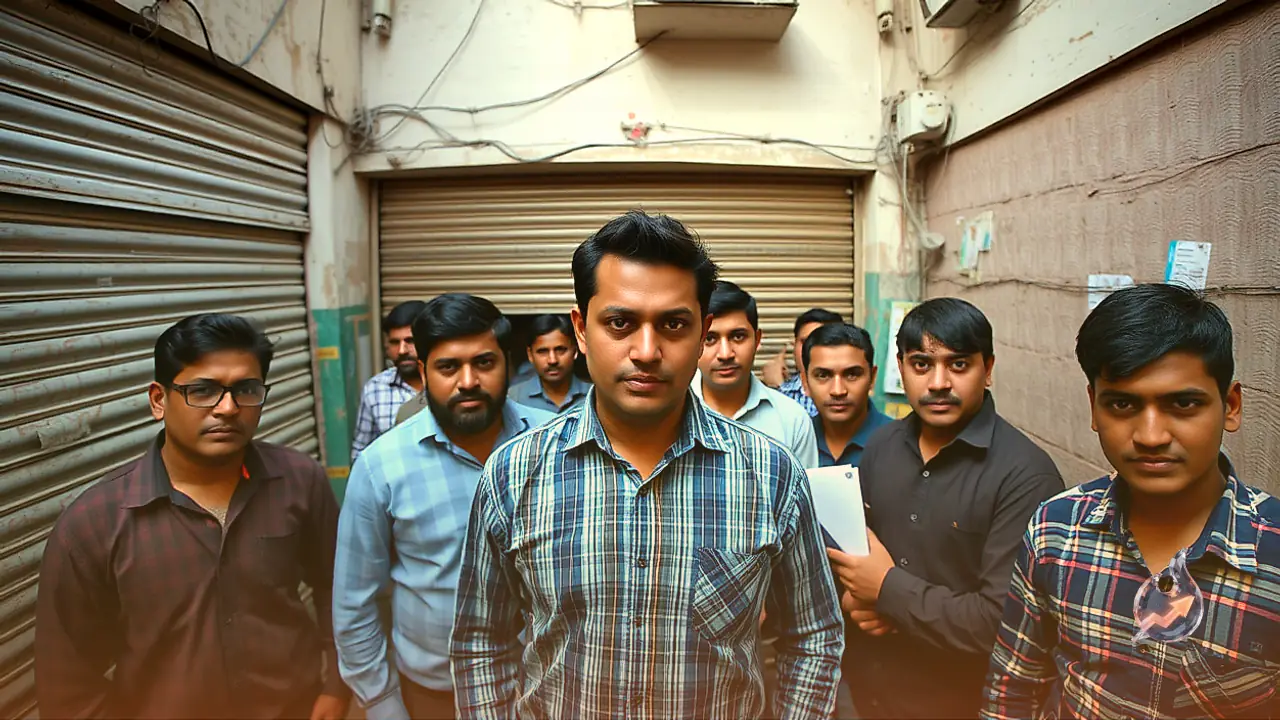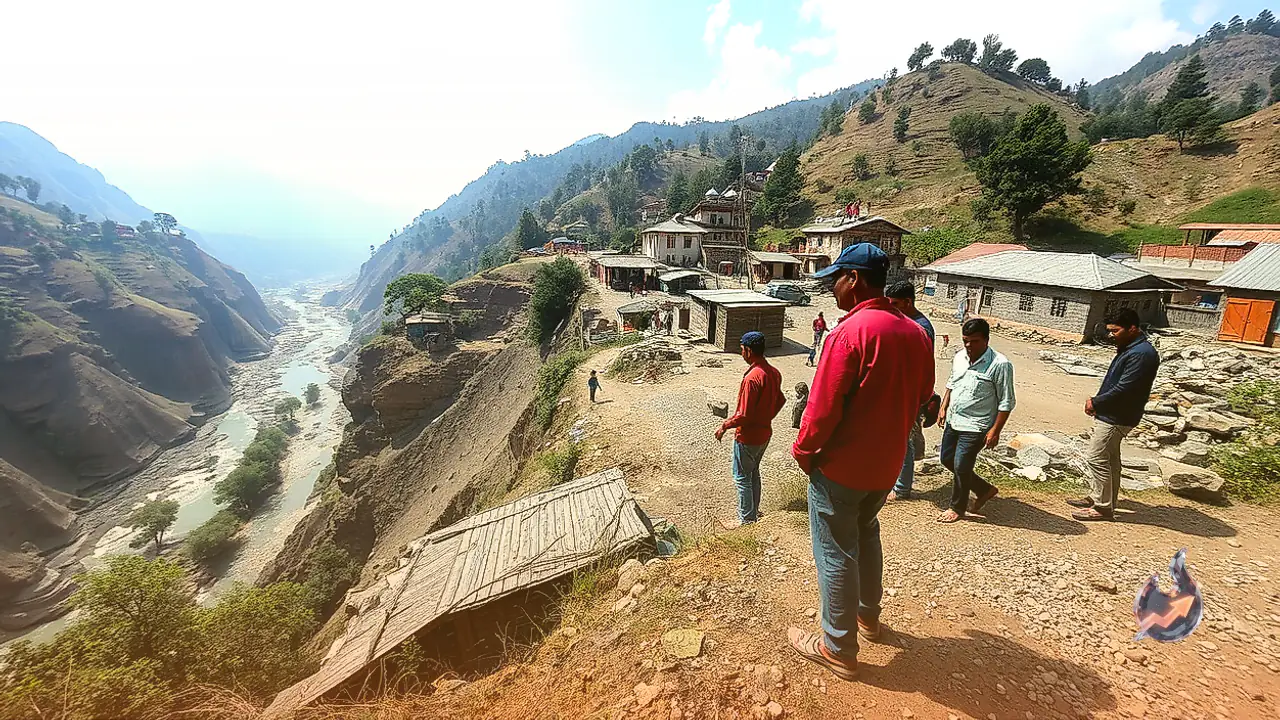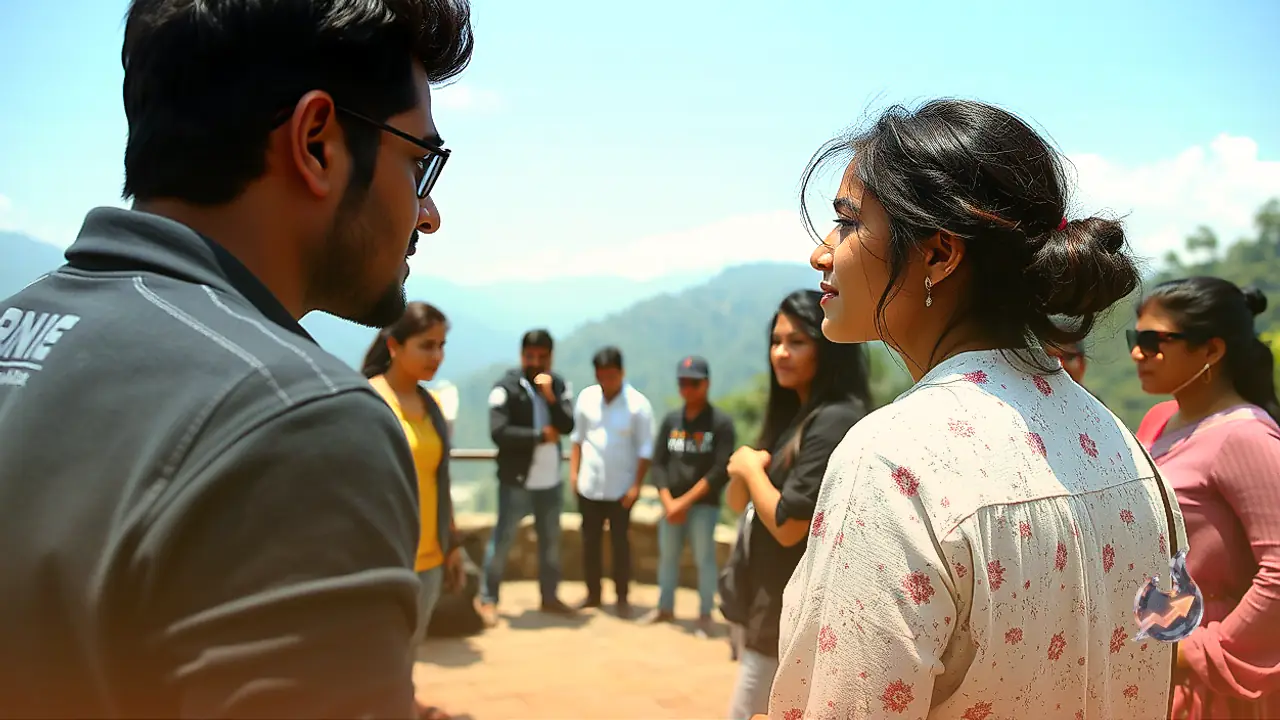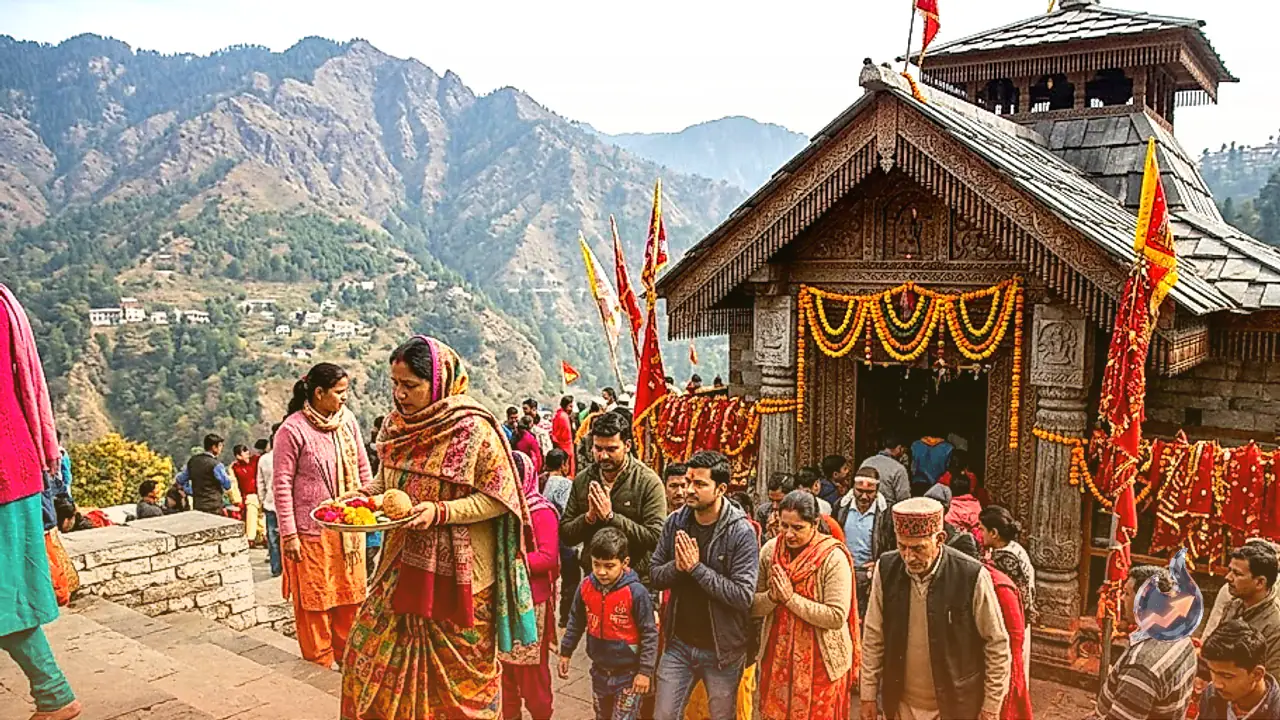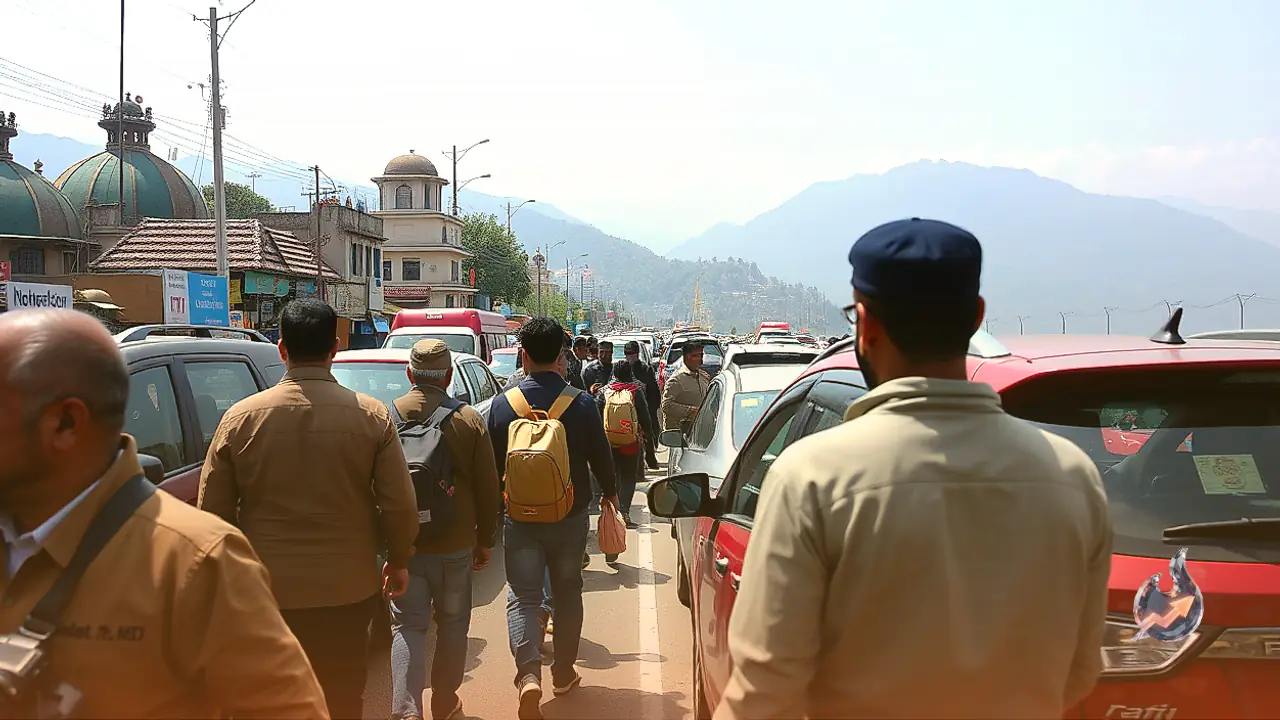

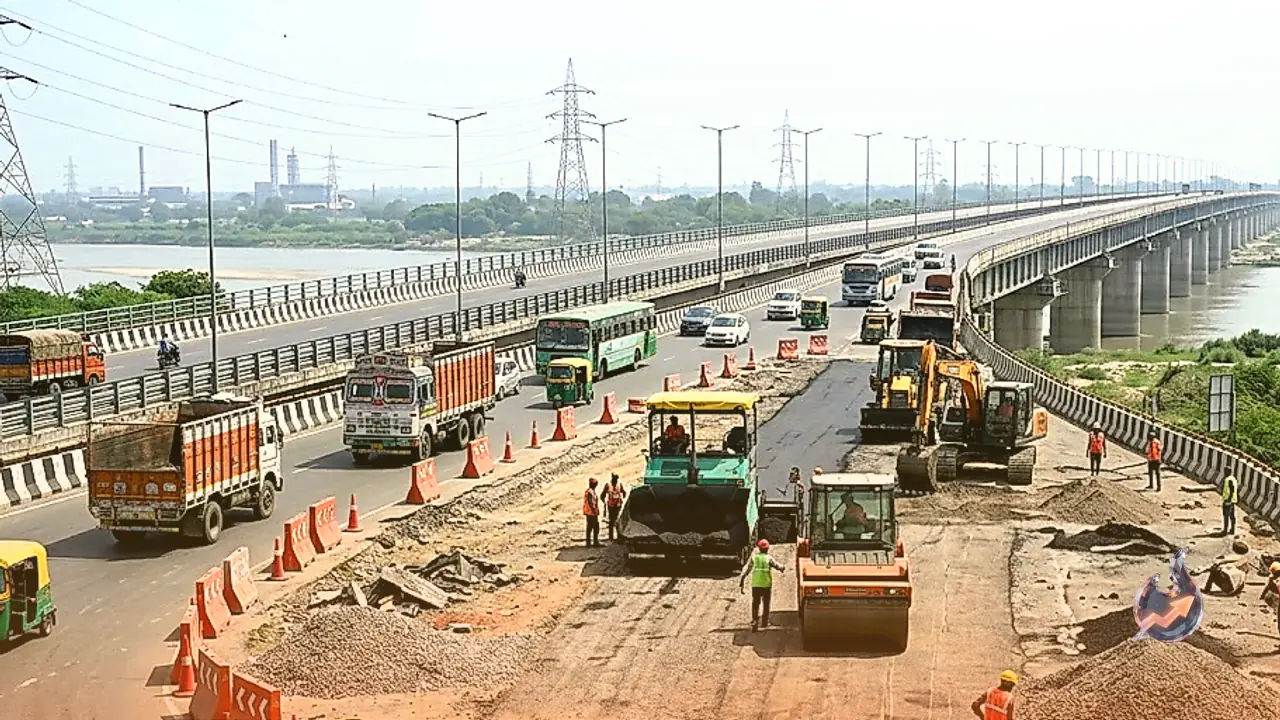
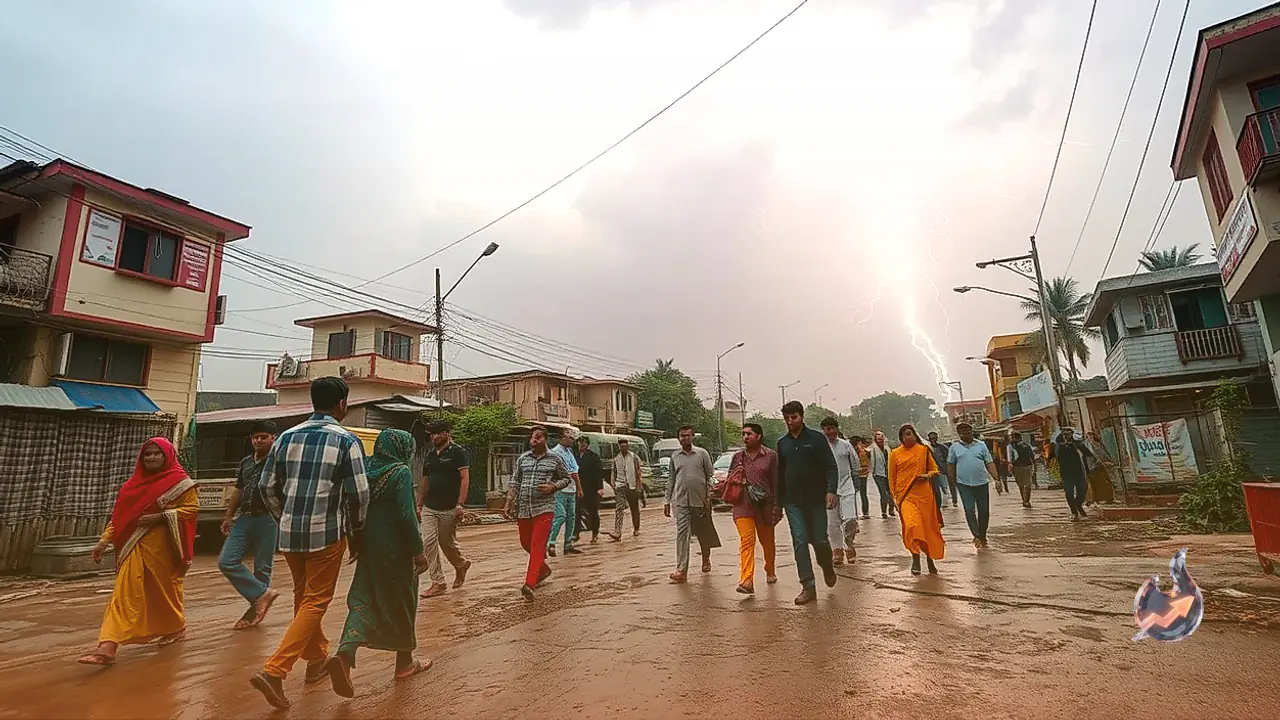
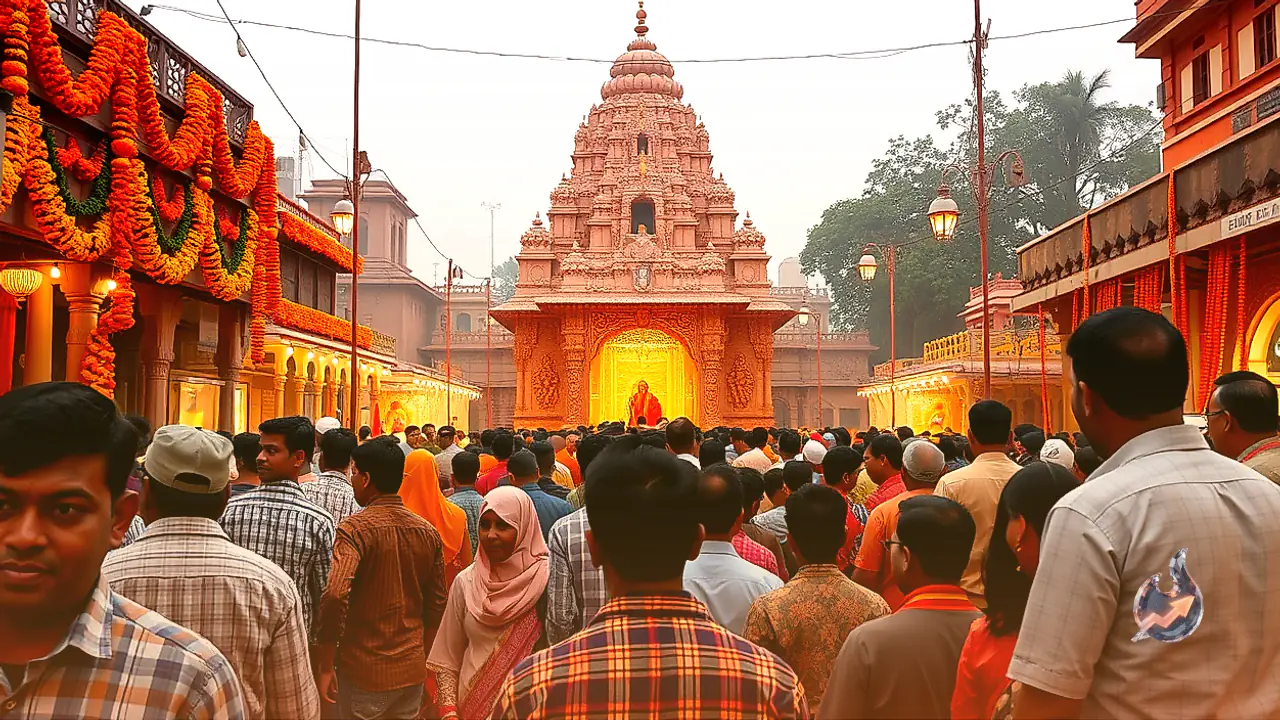
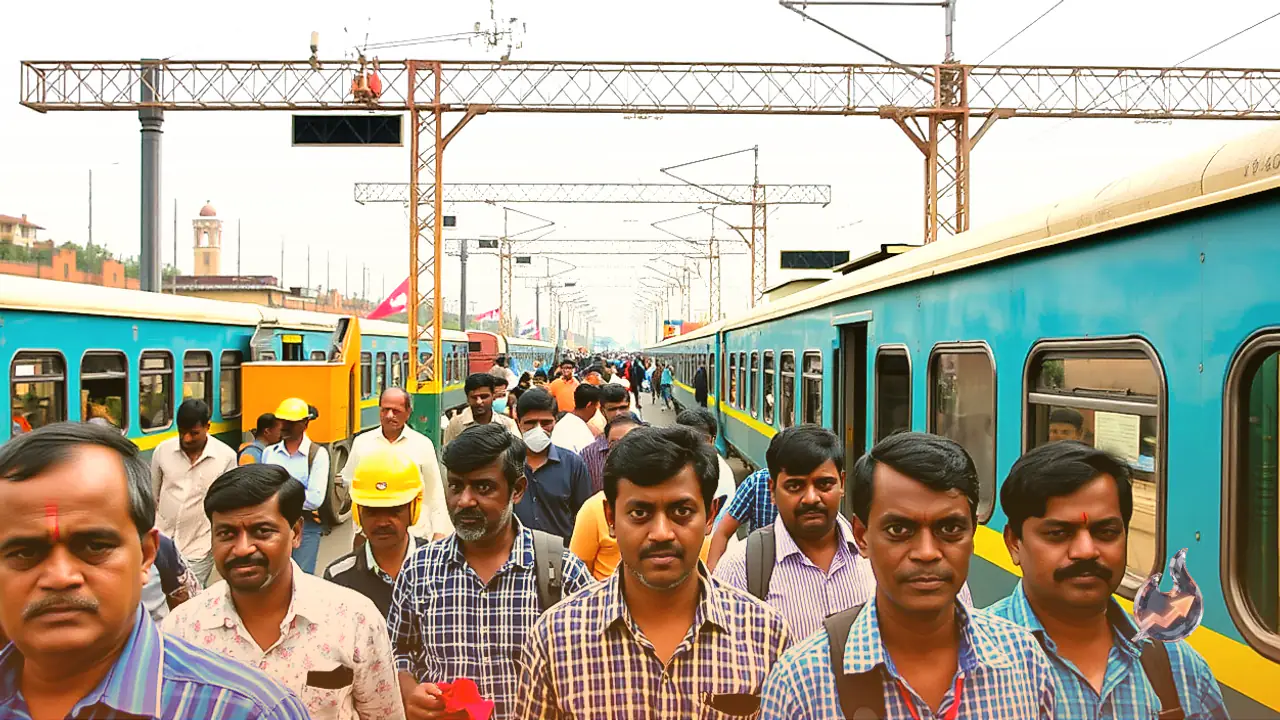














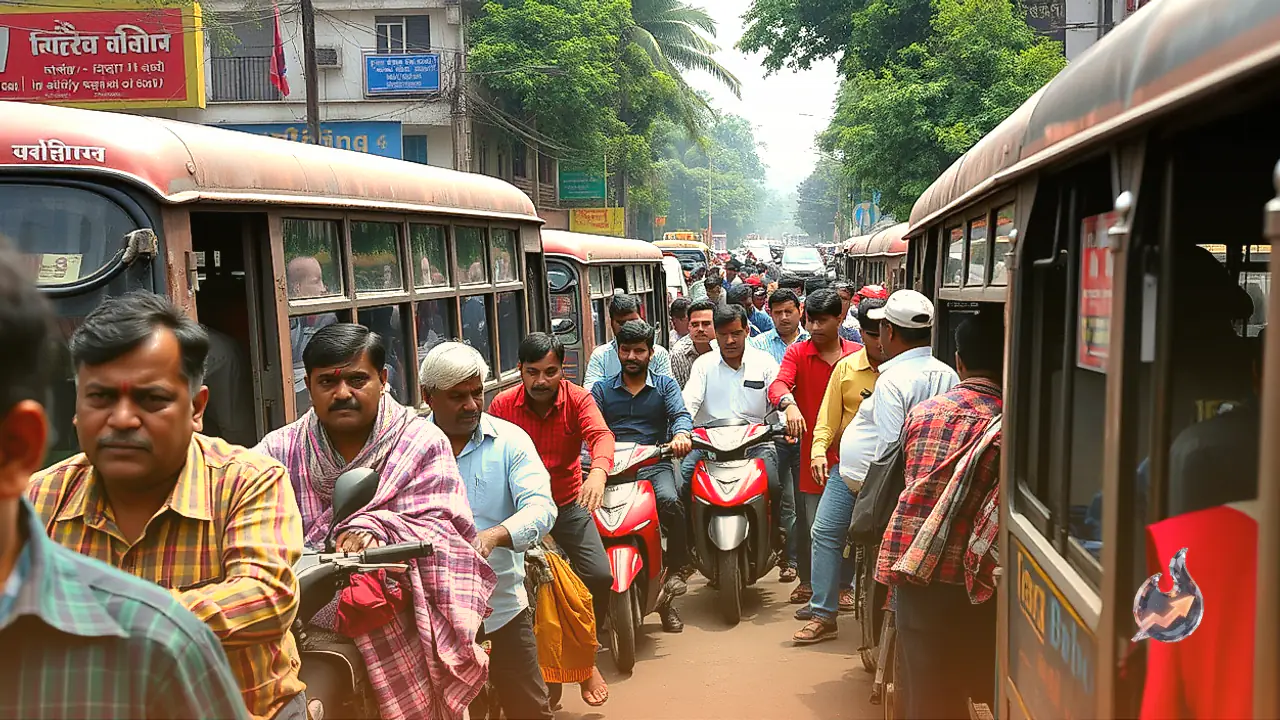

Rishikesh attracts hundreds of thousands of visitors each year as a premier pilgrimage and adventure destination in Uttarakhand, but this consistent influx brings severe everyday challenges for its permanent residents. Daily commutes across town have turned into an arduous task, particularly during weekends and festival rushes. Local citizens who need to travel for work, shopping, medical treatment, or academic classes rely almost entirely on auto-rickshaws and shared Vikram vehicles. During peak tourist cycles, however, operators frequently decline local passengers or insist strictly on charter bookings, leaving the resident population stranded without affordable transport alternatives. For individuals required to travel multiple times each day, cumulative fares have mounted steeply alongside persistent transit delays.
Commuters Grapple with Escalating Expenses and Transit Limits
Residents explain that the near-total reliance on three-wheelers without an organized municipal transit network exposes daily commuters to arbitrary fare demands. When drivers prefer high-paying visitors or reject short-distance single passengers, working citizens and families face limited alternatives. People are often forced to take multiple consecutive rides simply to complete an ordinary journey across town, causing avoidable loss of time and substantial inflation in household transportation costs. Community members maintain that rolling out economical intercity and city bus services connecting core sectors would provide a dependable, budget-friendly alternative for the entire township.
Vulnerable Groups Face Greatest Mobility Challenges
Sharing his perspective on student mobility, Gyanshu observes that numerous students traveling daily to schools, colleges, and coaching centers depend directly on autos and Vikrams. He stresses that introducing municipal buses across key arterial routes would simplify travel for everyone while dramatically improving safety and convenience. Such a public network would offer significant relief not only to younger learners but also to elderly commuters and women who routinely navigate congested roads to access markets or healthcare facilities. Given the massive surge of weekend tourists, an efficient bus fleet would simultaneously accommodate visitors and safeguard the movement of townspeople.
Peak Season Fare Hikes and the Crucial Need for Peripheral Parking
Ravi, who has lived in the town for six to seven years, emphasizes that the region urgently requires a wide fleet of intercity buses rather than a token service. During the two to three months of the peak tourism calendar, moving between neighborhoods becomes nearly impossible as operators hike rates after securing exorbitant payments from visitors, leaving permanent residents in distress. Rohit notes that addressing these seasonal spikes requires systemic planning alongside new transit routes. He points out that establishing dedicated vehicle parking at Nepali Farm is an indispensable prerequisite, warning that buses alone cannot resolve congestion without adequate terminal infrastructure. By halting tourist autos arriving from Haridwar at Nepali Farm and transferring passengers onto organized intercity buses, authorities could substantially alleviate inner-city vehicular jams while streamlining transit for arriving pilgrims.
Four Decades of Transit Scarcity Point to Policy Solutions
Reflecting on forty years of municipal living, Dr. Rajkumar points out that constrained public conveyance options have long hindered routine mobility across Rishikesh. Many residential and commercial neighborhoods offer no public transport beyond shared autos and Vikrams, which are frequently unavailable when needed most. Commuters traversing wider distances often have to break their journeys into multiple legs, swapping vehicles repeatedly, which multiplies both transit time and overall fares. The burden falls heaviest on office workers, routine market shoppers, and individuals heading to hospitals under urgent conditions. Establishing a disciplined, scheduled city bus network remains the most viable step toward providing enduring relief to the local population.