

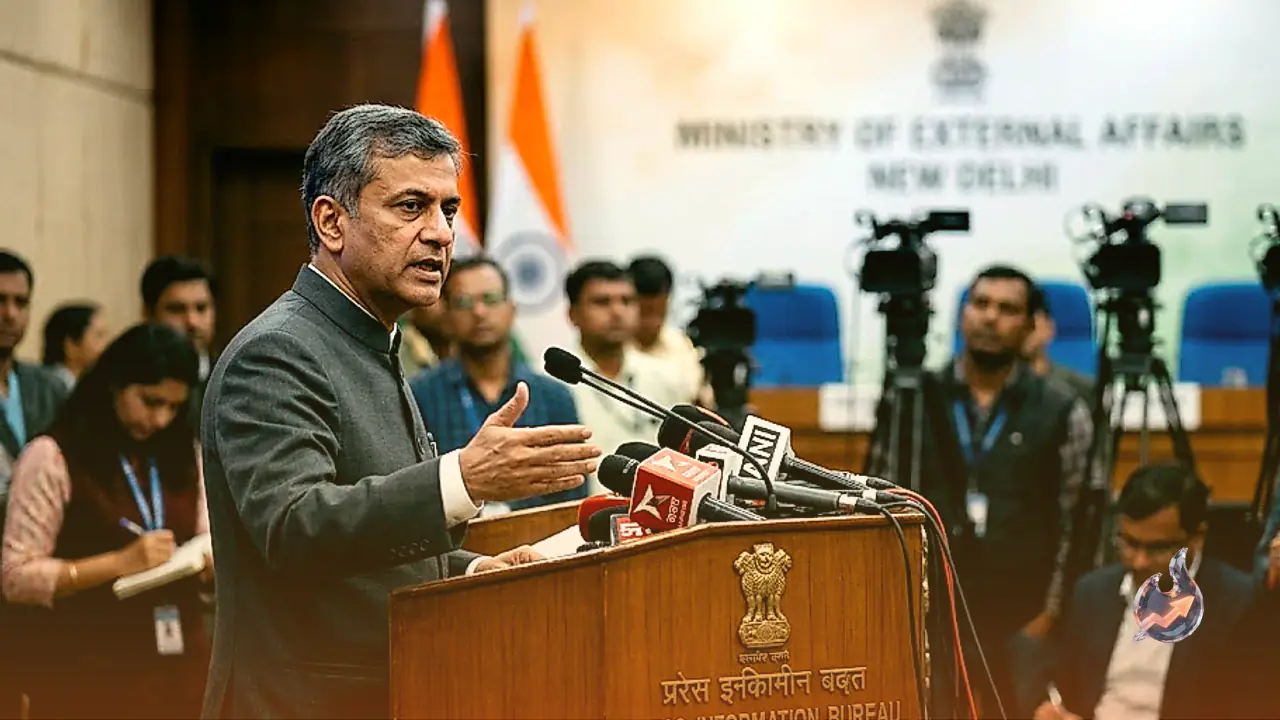
















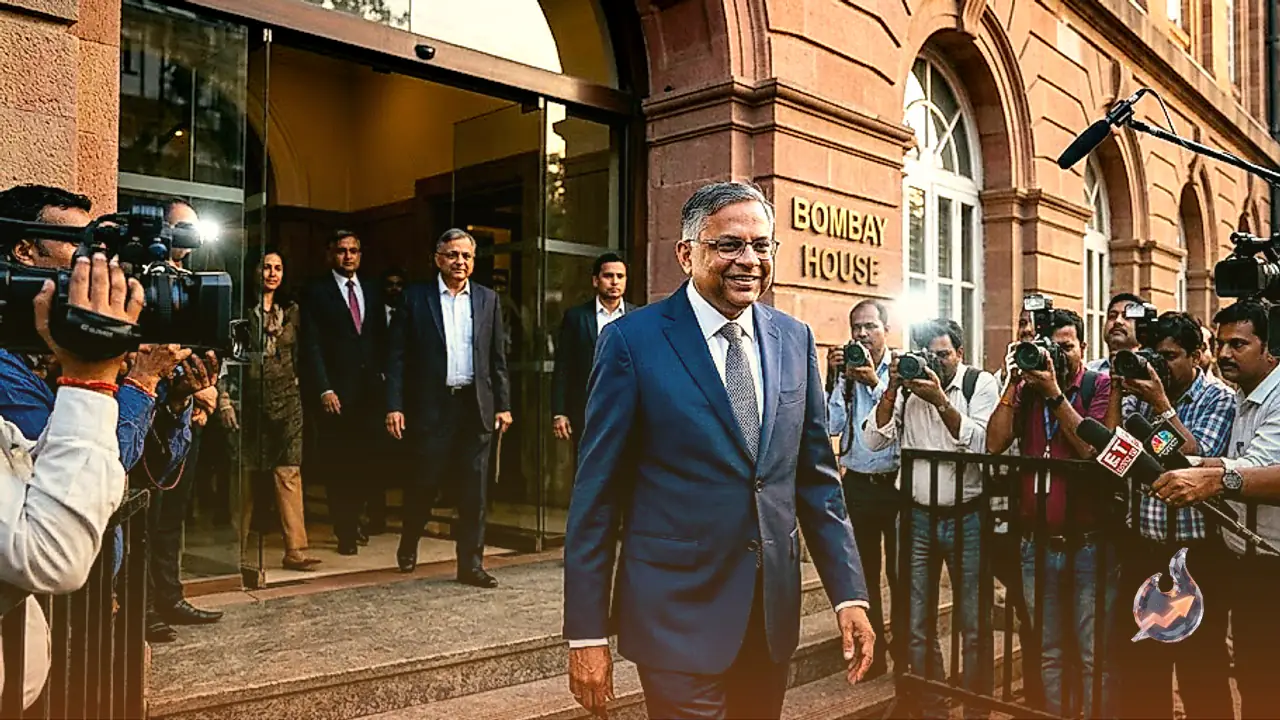

In a decisive move for one of India's most prominent conglomerates, the board of directors of Tata Sons has reaffirmed its confidence in Executive Chairman N Chandrasekaran. During a key board meeting convened at the group headquarters, Bombay House, directors approved a resolution granting Chandrasekaran a fresh five-year term as Executive Chairman. Having steered Tata Sons since 2017, this development clears the deck for his continued stewardship over the expansive corporate empire for the coming five years.
Halting the Succession Hunt After August Hesitation
The decision marks a notable shift from events that unfolded just weeks earlier. In August, Chandrasekaran had communicated to the board that he did not seek a reappointment to the top executive role. That stated reluctance had set off preliminary discussions and speculation surrounding the search for a prospective successor to lead the parent company. With the board now officially endorsing another tenure, that succession process effectively comes to a halt. Chandrasekaran originally assumed the role of Chairman in 2017 following Ratan Tata, and secured a second five-year term in 2022. This latest resolution paves the way for his third consecutive tenure steering the salt-to-software conglomerate.
Regulatory Pressure and the Central Bank's Classification
Regulatory developments involving the Reserve Bank of India have played a significant role in accelerating this leadership consolidation. In September 2022, the central bank categorized Tata Sons as an 'upper layer' non-banking financial company. Under RBI guidelines, entities placed in this category are mandated to list their equity shares on the stock exchanges within a stipulated timeframe. To avoid the listing mandate, Tata Sons had formally approached the RBI seeking the surrender and cancellation of its NBFC registration. However, the central bank rejected that application on September 11, thrusting the prospect of a mandatory initial public offering and market listing back into immediate focus.
Potential Mega IPO and Boardroom Voting Dynamics
Board members recognized that maintaining steady and proven leadership would be vital to preserve investor sentiment in the event of an imminent stock market debut. Should Tata Sons proceed with an initial public offering, it could rank among the largest public listings ever witnessed in the Indian capital markets. The holding company controls substantial ownership stakes across major group enterprises, including Tata Motors, Tata Steel, TCS, and Indian Hotels, which naturally points to a massive potential issue size. The board meeting also witnessed active voting on the leadership proposal. Tata Trusts Chairman Noel Tata voted against granting another term to Chandrasekaran, but the reappointment resolution comfortably passed with the support of the majority of directors. Neither Tata Sons nor Tata Trusts immediately issued an official statement regarding the meeting's deliberations.