























A modest scheme run by the Horticulture Department in Jaunpur, Uttar Pradesh, could add thousands of rupees to a farmer's pocket every year, and it starts with an outlay of just ₹85. That is the government rate at which a grafted mango sapling is being sold at the district's nurseries. District Horticulture Officer Seema Singh Rana says that farmers who buy this sapling and take up horticulture stand to build a steady, long-term source of income over time.
Cheaper and Better Than Private Nurseries
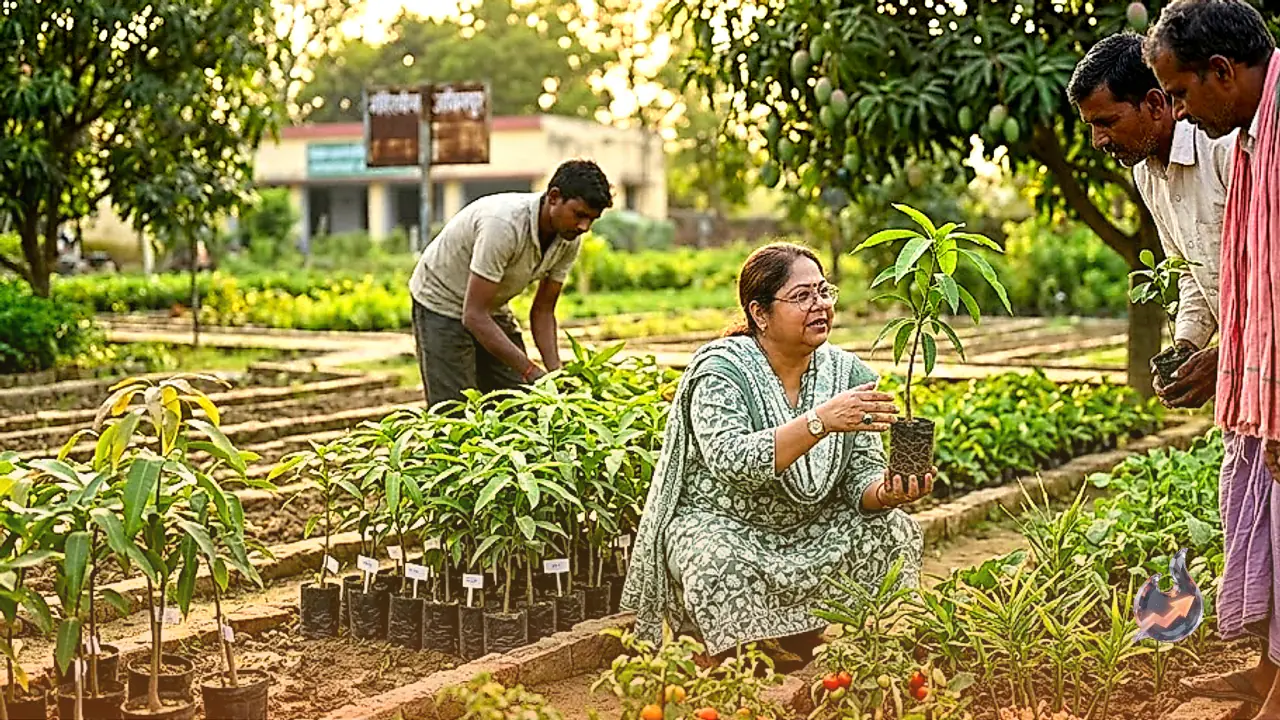
According to the officer, Jaunpur's two government nurseries scientifically raise fruit saplings including mango, guava, amla, lemon and pomegranate. Among these, the grafted mango sapling is offered at the fixed government rate of ₹85. Compared with private nurseries, the quality of plants here is considered better while the price stays lower. Any interested farmer or ordinary citizen can walk into a nursery directly and pick up the sapling they need.
A 40-50% Subsidy on Every Purchase
These saplings are not handed out free; buyers must pay the fixed government fee. But once a farmer has bought a plant and applies under the horticulture scheme, the government returns 40 to 50 percent of the purchase amount as a subsidy. That money is transferred straight into the farmer's bank account through DBT. To claim it, the farmer has to submit the purchase bill and the required documents to the concerned department. In effect, the upfront cost drops sharply once the subsidy support kicks in.
Horticulture Is Booming Across Jaunpur
Seema Singh Rana says horticulture has become one of the fastest-growing avenues for farmers today, and that shift is visible in Jaunpur too, where a large number of farmers are moving away from conventional farming toward modern horticulture. One farmer in the district has already been honoured by the Chief Minister for cultivating 140 different varieties of mango, an achievement that officials say has inspired other farmers in the area to follow the same path.
Grow Vegetables Between the Trees, Earn From Year One
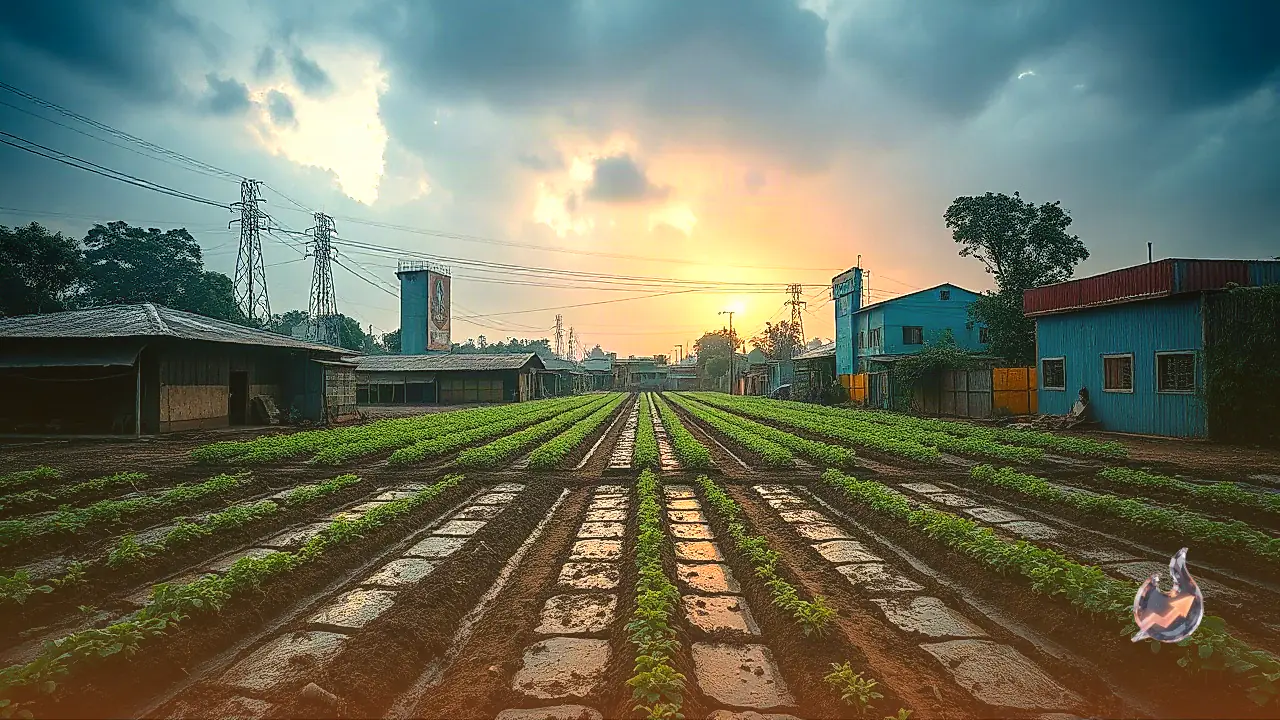
The district horticulture officer notes that even farmers with small landholdings can turn a solid profit through this model. For instance, a farmer who plants an orchard of mango, guava or amla can use the open ground between the trees to grow vegetables, turmeric or elephant foot yam (suran), generating an additional income stream from the same plot. This approach is called intercropping and multi-layer farming, where several crops on one piece of land bring in earnings from multiple sources at once. Its biggest advantage is that farmers don't have to wait for the fruit trees to mature before seeing any return, income can start flowing right away.
From an ₹85 Sapling to a Lasting Income Stream
A fruit sapling raised with proper care and scientific methods can go on to generate thousands of rupees in income every year once it matures. On that basis, a single grafted mango sapling bought for ₹85 could eventually become the foundation for an annual income of ₹10,000 or more, while intercropping lets farmers start earning from the very first year, without waiting for the orchard to grow. Seema Singh Rana has once again urged farmers to buy saplings from government nurseries, make full use of the subsidy on offer, and multiply their earnings through intercropping.