




















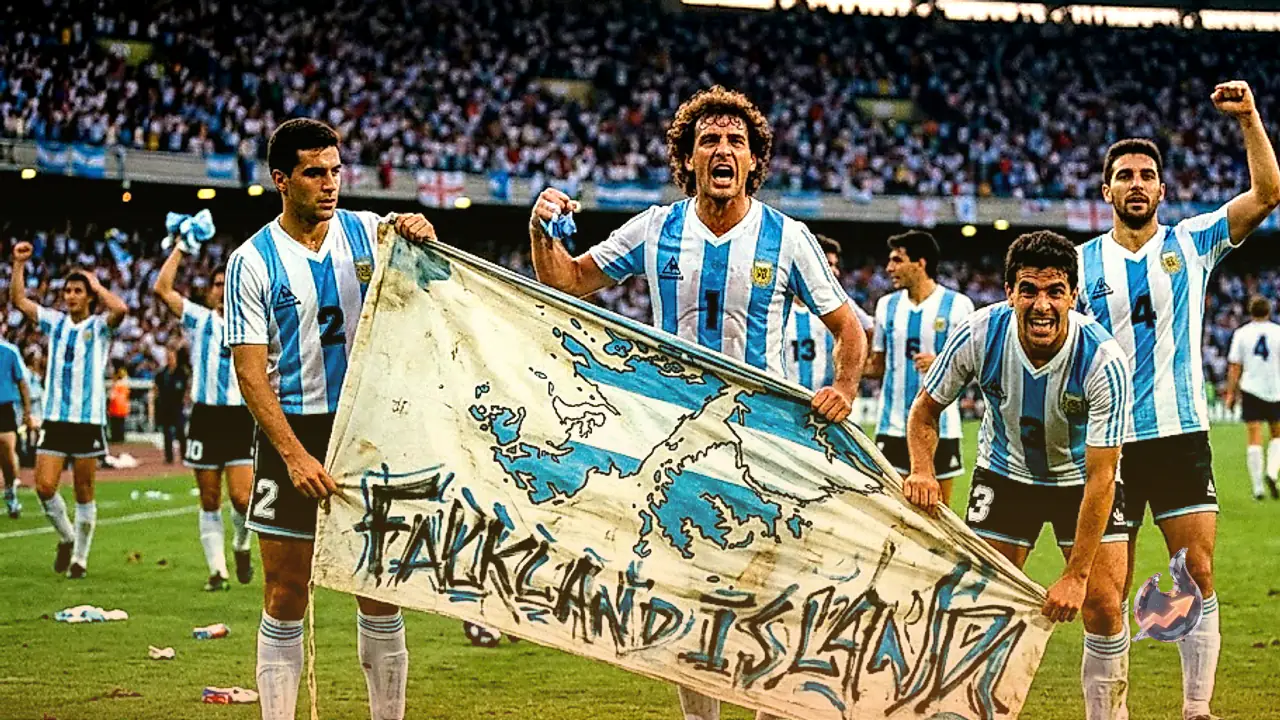

Argentina's football team has landed in the middle of a fresh diplomatic storm after celebrating a World Cup semi-final win over England with a banner staking claim to the Falkland Islands, and the White House has now stepped in to defend the players' right to make that statement on American soil.
What happened on the pitch
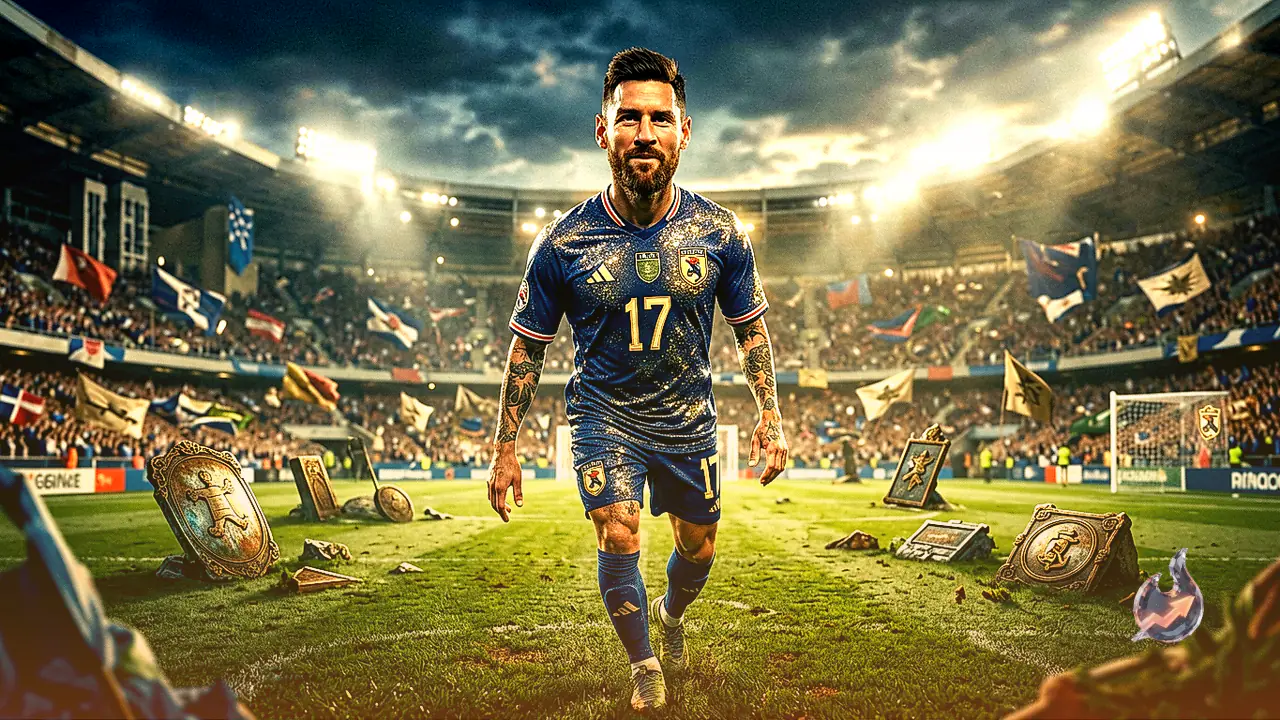
After Wednesday's semi-final victory over England, Argentina's players unfurled a banner that read "Las Malvinas son Argentinas", which translates to "The Falklands are Argentine". The Falklands are a British overseas territory in the south-west Atlantic Ocean and have long been the subject of a sovereignty dispute between the United Kingdom and Argentina. The celebration was not an isolated gesture either. Following their dramatic 3-2 win over Egypt in the last 16, Argentina's players had already sung chants referencing the Falklands alongside the names of Argentina greats Diego Maradona and Lionel Messi, showing that the territorial claim had been on the squad's mind well before the semi-final banner appeared.
The White House weighs in
Asked on Friday whether the players had done anything wrong, Andrew Giuliani, who heads the White House Fifa task force, said the Argentina squad had the opportunity and the ability to make those statements while on American soil, where the World Cup is being staged. He tied his answer directly to the US Constitution, telling reporters, "We believe in our First Amendment rights here in the United States of America." The remark effectively puts Washington on record as unwilling to criticise the players' display, a position that is likely to add fresh heat to a row that has already reached Downing Street and could shape how Fifa itself decides to respond.
London's response
No 10 has stopped short of announcing any punitive step of its own, saying that any potential action against the Argentina players who unveiled the banner was a matter for Fifa. At the same time, the Prime Minister's office echoed a view already expressed by Business Secretary Peter Kyle, that football's global governing body ought to open an investigation into the incident. That leaves the question of consequences, if any, sitting with Fifa rather than with either government directly, even as both London and the Falklands themselves push publicly for the governing body to act.
The Falkland Islands government reacts
The government of the Falkland Islands issued its own statement, saying it was disappointed, though not surprised, by the banner, and that it hopes Fifa will sanction this kind of behaviour under the governing body's own rules. It also argued that sport should be kept separate from politics, adding pointedly, "Nor do we wish the Islands and their people to be used as a political football in every conversation about England and Argentina."
What the 2013 referendum showed
Much of the sensitivity around the banner traces back to a vote held on the islands in 2013, when residents were asked directly whether they wanted to remain a UK overseas territory. The result was lopsided. Of the 1,517 votes cast during the two-day referendum, which drew a turnout of more than 90%, 1,513 were in favour of staying British and just three were against. That outcome is frequently cited by the UK and by the islands' own government whenever Argentina presses its territorial claim, and it forms the backdrop against which the Falkland Islands government's statement about not wanting to be used as a political football should be read.
Argentina's vice-president adds her voice
The political temperature rose further when Argentina's vice-president, Victoria Villarruel, posted on X after Wednesday's win, calling it more than just another match. "The Falklands are Argentine," she wrote, and went on to say that officials had barred fans from bringing the islands into the stadium but had failed to reckon with how deeply Argentines felt about the territory. Her post was accompanied by a video that appeared to show Argentine soldiers, reinforcing the military undertone of her message and signalling that the dispute was being amplified well beyond the football squad itself, reaching into Argentina's own government.
The shadow of the 1982 war
The dispute over the Falklands is not merely rhetorical or symbolic. A brief but bitter war broke out between Britain and Argentina over the territory in 1982, after Argentine forces landed on the islands to press their territorial claim. A British military task force was sent in and ejected the Argentine forces, and the fighting that followed lasted 74 days. By the time it ended, 255 British military personnel, three islanders and 649 Argentine soldiers had been killed. That death toll is the reason any public display referencing the islands, whether on a football pitch or in a social media post, continues to carry such weight on both sides of the dispute, and it explains why both the UK government and the Falkland Islands administration reacted so quickly once the banner appeared.
Where the row stands now
For now, the matter remains unresolved. Fifa has not announced whether it will formally investigate the banner or the earlier chants referencing the Falklands, Maradona and Messi. The White House has made clear it will not press Argentina's players over their conduct, framing it as protected speech under American law even though the tournament itself involves teams and territories outside domestic US politics. Downing Street and the Falkland Islands government, meanwhile, have both signalled they want Fifa to take ownership of any sanction, rather than either government intervening directly. With Argentina's vice-president also having weighed in publicly, the episode has moved well beyond a stadium celebration and into the realm of official government statements on both sides of the Atlantic.