






















Faced with shrinking landholdings and unpredictable weather, farmers are actively turning toward innovative agricultural ventures to stabilize their household income. Among these emerging alternatives, commercial mushroom cultivation has established itself as an accessible and lucrative option. A key advantage of this model is that growers do not require vast agricultural land. A small spare room, an unused store, or a simple covered shed can easily be repurposed into a productive growing area with basic environmental controls. Today, varieties such as Oyster, Milky, Button, and Gucchi enjoy steady consumer demand across urban and regional markets. Rachna Chauhan, an experienced mushroom grower based in Rampur who has spent years in the field, emphasizes that mastering production protocols and understanding market outlets can turn indoor mushroom growing into a steady revenue stream.
Oyster Mushroom Offers an Easy Starting Point for Beginners
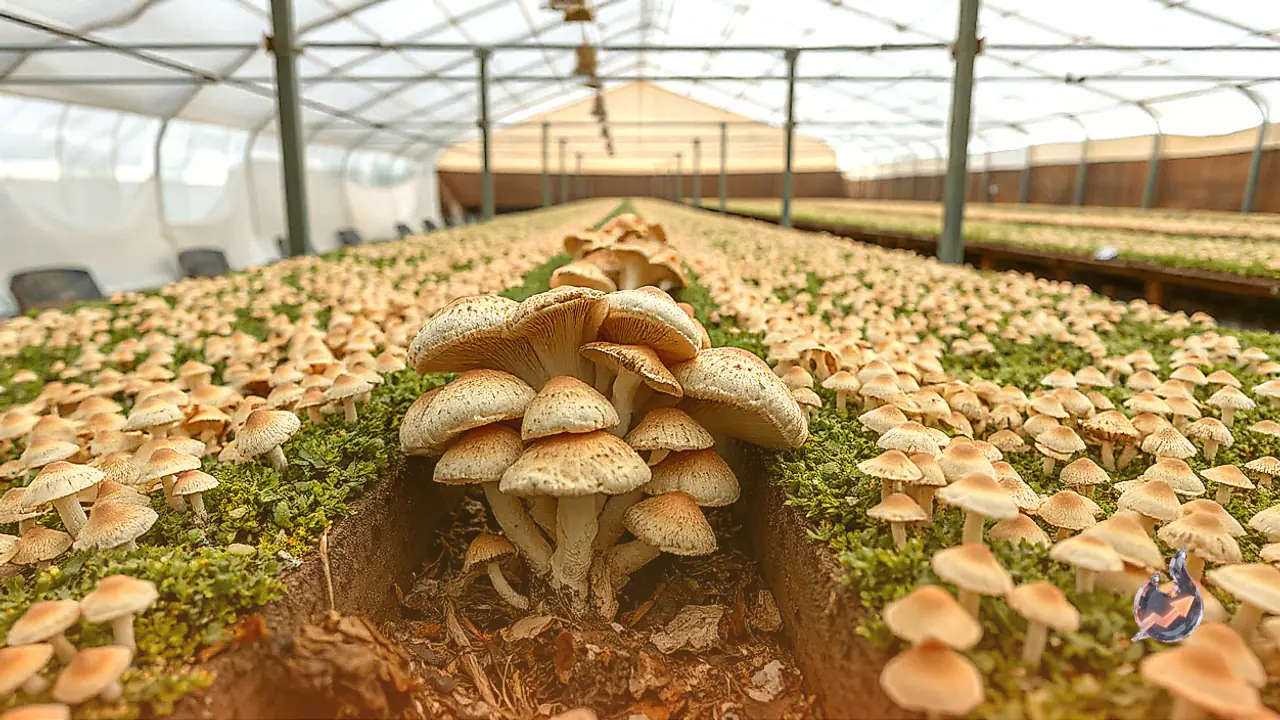
For individuals stepping into this sector for the first time, Rachna Chauhan strongly recommends starting with Oyster mushrooms, widely known as Dhingri. This variety is forgiving, develops rapidly, and demands minimal upfront infrastructure. Growers primarily utilize wheat straw or paddy straw as the base growing medium. The dry straw is thoroughly soaked in clean water and pasteurized to eliminate competing fungi and bacterial contamination. Once cooled, mushroom spawn is uniformly mixed through the prepared substrate before being packed tightly into designated polythene bags. Over the subsequent days, white fungal mycelium colonizes the medium. Small slits in the plastic allow the fruiting bodies to emerge in dense clusters.
Climate Requirements, Market Pricing, and Value-Added Products
Timing and climate control play a decisive role in harvesting healthy yields of Oyster mushrooms. The seasonal window spanning October through February is ideally suited for this crop. The indoor cultivation room should maintain an ambient temperature between 20 and 30 degrees Celsius, supported by a relative humidity range of 80 to 90 percent. Freshly picked Oyster mushrooms fetch around 400 rupees per kilogram in the market. Beyond raw retail sales, growers can process surpluses into value-added items such as nutritional biscuits and dry powders, expanding profit margins substantially.
Cultivation Process and Shelf Life Advantages of Milky Mushrooms
As outdoor temperatures climb, Milky mushrooms become the crop of choice due to their heat tolerance. Similar to Oyster cultivation, this variety utilizes wheat or paddy straw that is pasteurized, spawned, and bagged. However, once the white mycelium fully establishes itself within the substrate, growers must apply a specialized casing layer composed of treated soil and sand. This casing triggers pinhead formation and supports vigorous fruiting. Milky mushrooms flourish under higher temperature conditions ranging from 28 to 35 degrees Celsius, alongside 80 to 90 percent humidity. A major commercial strength of Milky mushrooms is their superior post-harvest shelf life compared to several softer varieties, giving farmers extra time to transport and market their harvest. Furthermore, multiple flushes can be picked from a single substrate bag, securing continuous supplies over several weeks.
Commercial Promise of Gucchi and Essential Preparation Steps
Gucchi mushrooms stand in a league of their own due to their rare texture, earthy taste, and steep commercial market value. Regarded as one of the most expensive varieties, successful cultivation presents substantial earning prospects. Button mushrooms continue to hold massive volume demand among household buyers and restaurants alike. Chauhan cautions that entering this sector requires more than enthusiasm; prospective growers must obtain hands-on technical training before purchasing materials. Understanding pasteurization methods, sourcing authentic spawn, maintaining strict sanitation, and pre-identifying local commercial buyers are vital prerequisites. With structured technical knowledge and market linkages, cultivating mushrooms indoors can become a transformative enterprise for small-scale growers.