























Severe weather conditions marked by squalls, lightning, and heavy winds frequently disrupt local power grids. While intermittent power outages cause immediate inconvenience, the most critical hazard to household electronics occurs at the exact moment electricity is restored. Lightning activity and rapid load shifts across grid infrastructure can trigger an extreme voltage surge through power lines. This electrical spike may last only a fraction of a second, yet its energy is potent enough to burn internal circuit boards and irreparably damage air conditioners, refrigerators, televisions, computers, and other sensitive domestic appliances.
Unplugging from Wall Sockets Beyond Merely Using Remotes
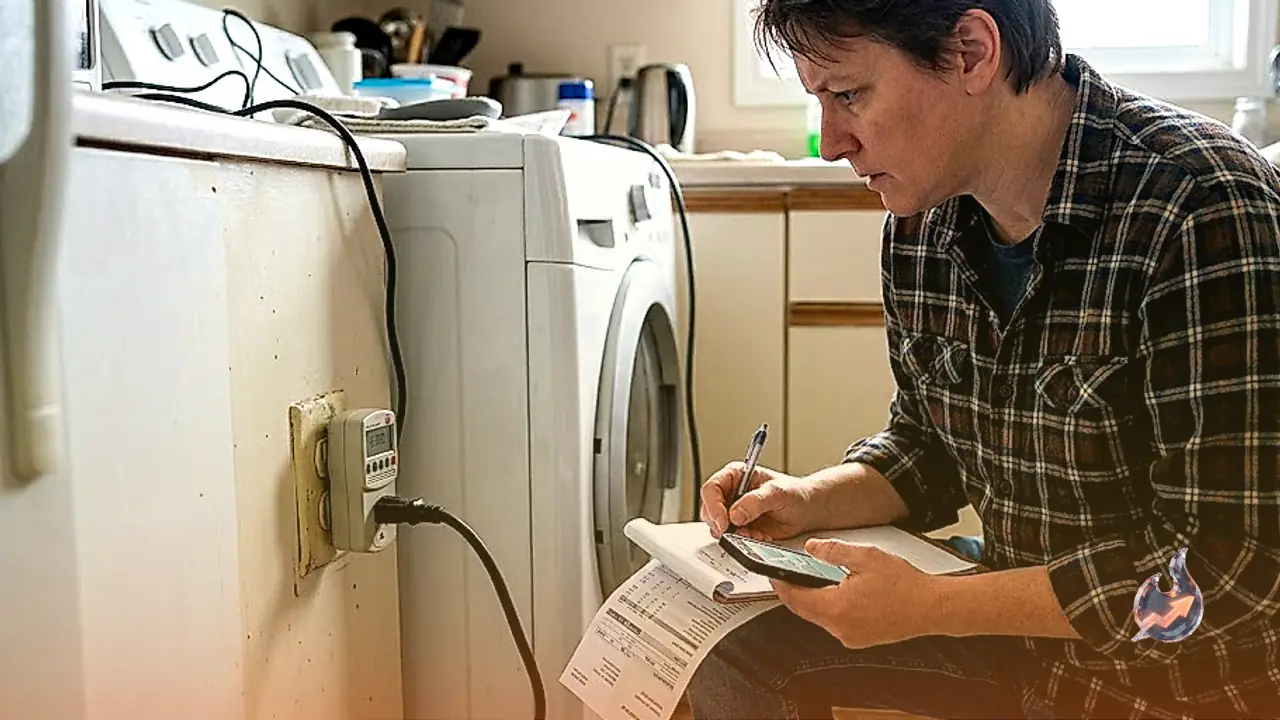
A widespread mistake during bad weather is turning off devices like televisions or air conditioners solely using a handheld remote control. Placing an appliance into standby mode leaves the circuit live and physically connected to the wall outlet. During severe storms with active lightning, the main wall switch should be turned off and the physical plug completely disconnected from the wall receptacle. Physically decoupling the hardware eliminates the conductive path, ensuring that lightning-induced surges cannot penetrate into internal components.
Stabilizers for Compressor-Driven Appliances
Major cooling appliances such as refrigerators and air conditioning units rely heavily on compressors, which are exceptionally vulnerable to erratic voltage levels. In neighborhoods prone to frequent voltage fluctuations, installing a dedicated, high-grade voltage stabilizer is essential. Stabilizers continuously regulate erratic input power, delivering a steady and balanced current to the connected machinery. This constant regulation shields expensive internal motors from burning out and prevents costly repair bills.
Deploying Dedicated Surge Protectors for Sensitive Gear
Home office equipment, smart televisions, and audio systems are frequently connected to standard extension cords that lack internal safety mechanisms. Technical guidelines strongly advise connecting sensitive electronics through dedicated surge protection boards. A surge protector actively detects sudden spikes in incoming line voltage, suppressing or diverting the surplus charge before it can travel downstream into delicate microprocessors and logic boards.
The Value of a UPS for Connectivity and Remote Work
For students and remote working professionals, uninterrupted access to computers and Wi-Fi routers is vital. An Uninterruptible Power Supply (UPS) serves as a critical line of defense in these environments. Beyond delivering instantaneous battery backup during blackouts to prevent sudden data loss, a quality UPS conditions incoming power by filtering noise and irregularities. This steady output ensures that sensitive network and computer hardware remain safe from unpredictable power variations.
Avoiding Immediate Startup When Power Returns
A very common habit among households is switching appliances back on the very instant electricity returns after an outage. Power lines often remain highly unstable during the initial moments of restoration, experiencing erratic voltage variations. Experts advise waiting at least 2 to 3 minutes following power restoration before powering up major home appliances. Allowing the grid voltage to stabilize prevents unnecessary mechanical and electrical stress on motor windings and control circuits.
Inspection of Physical Wiring and Earth Grounding
Inclement weather demands periodic visual checks of exposed outdoor cables and incoming service lines. If home electrical wiring is aged or deteriorating, scheduling a thorough inspection by a certified technician is necessary. Crucially, a properly functioning earth grounding system must be maintained. Defective grounding leaves high-energy electrical discharges with no safe path to dissipate, channeling destructive energy directly through plugged-in appliances.
Proactive Precautions Ahead of Severe Weather
With meteorological authorities indicating possibilities of persistent high-velocity winds and rain over the coming days, taking a few minutes to secure household appliances is a sensible measure. Practical habits such as pulling plugs during storms, using voltage stabilizers and surge suppressors, and observing a 2 to 3 minute buffer before restarting devices can save substantial repair expenses while keeping valuable electronics operational over the long term.