



















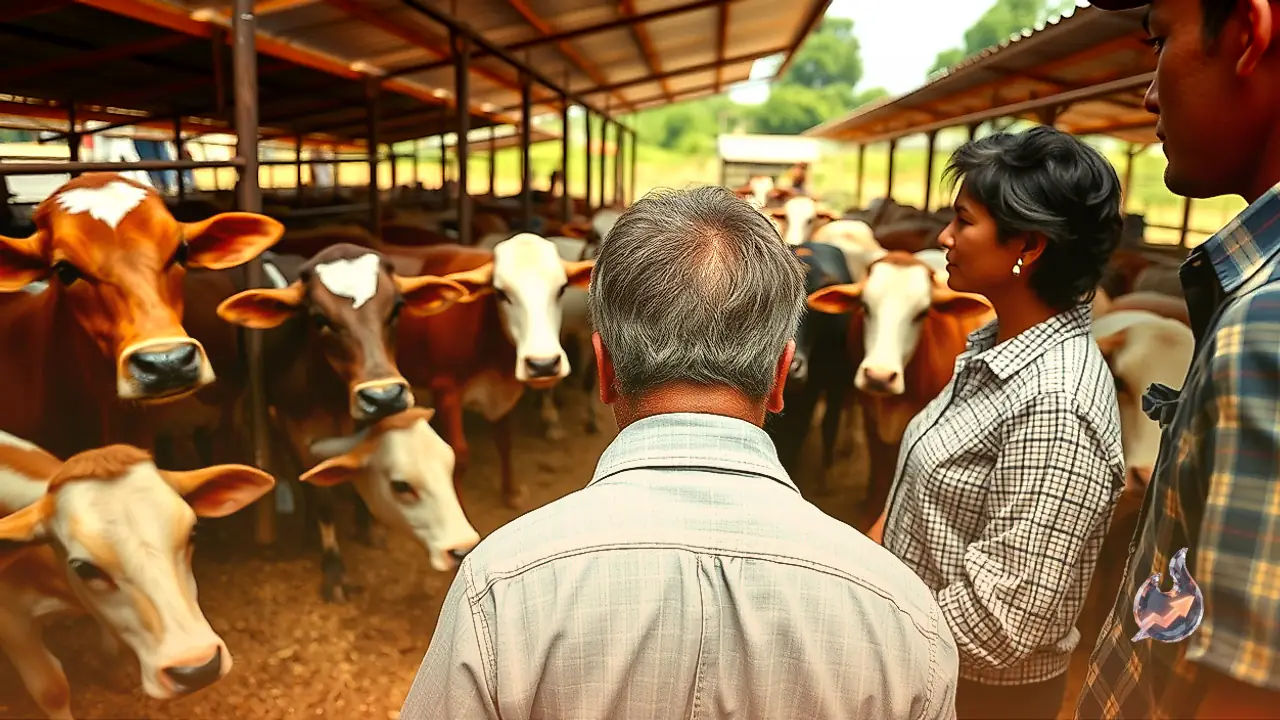

A growing number of individuals are shifting focus from conventional salaried jobs toward agriculture and livestock businesses. Poultry, goat keeping, and dairy operations in particular have seen rapid adoption among emerging rural entrepreneurs. However, inadequate practical understanding and selecting unsuitable cattle breeds frequently trigger substantial operational losses. Entering the sector solely influenced by online videos, without evaluating regional climatic patterns or ground realities of animal husbandry, often proves detrimental. For anyone planning to set up dairy units around Bhagalpur, Banka, Munger, and neighboring belts, evaluating animal breeds thoroughly is an indispensable first step.
Weather Resilience Versus High-Yield Exotic Demands
In regions with fluctuating temperatures, livestock that can endure severe heat, seasonal chill, and monsoon humidity offer far greater financial sustainability. Cattle farmer Anil Sharma points out that newcomers often purchase Holstein Friesian (HF) cattle straightaway, driven entirely by expectations of elevated milk output. However, managing such exotic stock demands meticulous hygiene, specialized feed formulation, temperature regulation, and advanced veterinary care. Without sufficient technical background and infrastructure, farmers often suffer setbacks when delicate animals struggle to cope with environmental stress.
Crossbreeds and Native Breeds as a Practical Foundation
When launching a commercial dairy unit, relying entirely on an imported pedigree right from the start is rarely advisable. Anil Sharma suggests that crossbred animals adapted to the regional environment provide a practical and safer entry point for beginners. Furthermore, hardy indigenous breeds such as Sahiwal, Gir, Kankrej, and Rathi represent suitable options tailored to the area. These native lines demonstrate superior natural resistance to heat stress and seasonal shifts. Ultimate milk output depends not merely on the breed name, but equally on genetic heritage, feed quality, shelter standards, and daily herd supervision.
Balancing Yield Expectations with Long-Term Animal Welfare
Purchasing high-milking cows does not automatically guarantee a profitable farming enterprise. Operating costs involving disease treatment, fodder expenses, acclimatization hurdles, and routine maintenance must be factored into every business projection. Optimum productivity from any productive breed can be realized only through balanced nutrition, continuous access to clean drinking water, dry and sanitized housing sheds, and strict adherence to vaccination schedules. Aspiring dairy entrepreneurs must evaluate their home district's weather patterns, green fodder availability, milk market dynamics, and veterinary advice rather than basing investment decisions on casual social media content.