






















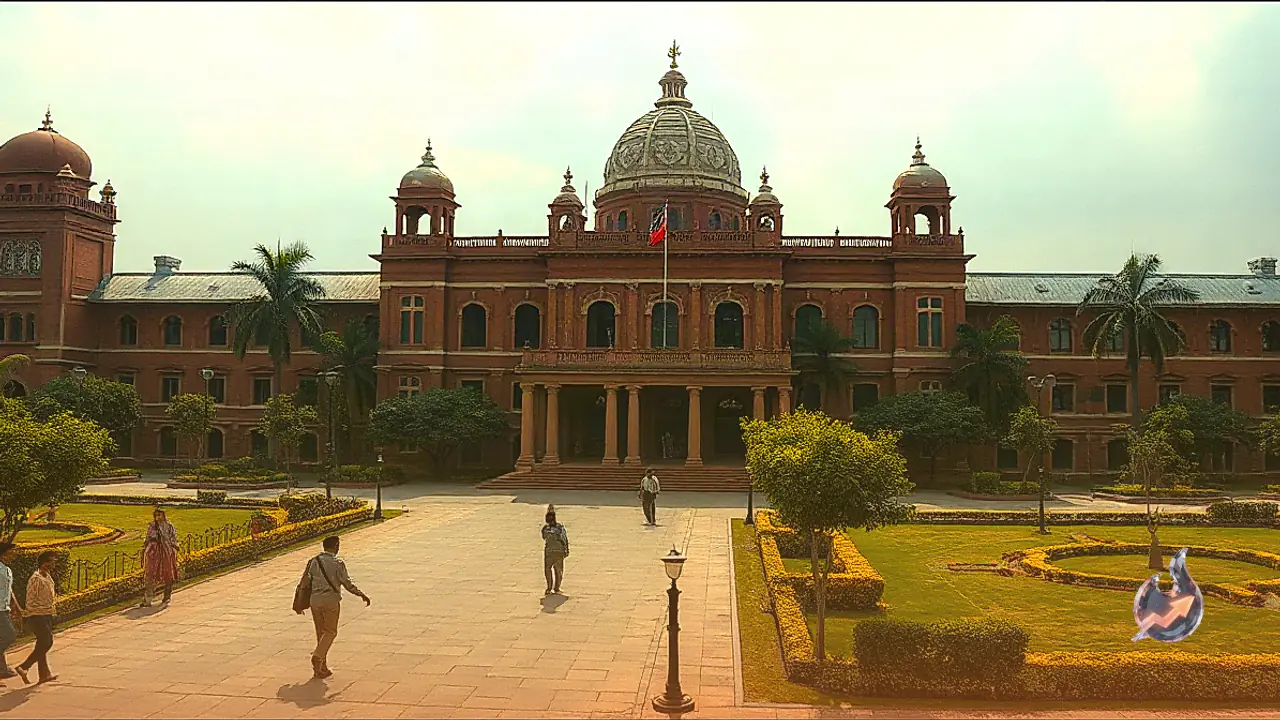

Delhi stands as the epicentre of Indian governance, but its university campuses function as equally potent nurseries of student activism. Across the national capital, two premier institutions command attention whenever student union elections are announced: Delhi University and Jawaharlal Nehru University. Both have consistently shaped political leadership and produced prominent voices in public life. Yet, despite sharing the same city, the two unions diverge completely in their campaign methods, institutional concerns, ideological battles, and voting mechanisms.
Campaign Dynamics: High-Profile Glamour Versus Grassroots Simplicity
The campaign trail at Delhi University is widely recognized for its festive, high-visibility, and loud presence across North and South Campuses. During election season, prominent colleges witness motorcades of luxury vehicles, blaring sound systems, printed pamphlets blanketing college gates, and massive banners promoting candidates. The atmosphere frequently resembles an energetic entertainment festival where physical presence and reach take precedence.
Conversely, Jawaharlal Nehru University embraces an austere and intellect-driven approach to outreach. The noise of vehicular rallies is entirely absent. In its place, candidates and student groups rely on hand-painted wall posters, street plays, room-to-room visits in hostels, and protracted discussions at campus tea stalls. Campaigning remains largely grounded in organizational ideology and direct interpersonal debate rather than material display.
The Core Debates: Visibility Versus Presidential Rhetoric
The hallmark event of the JNU student election calendar is the traditional Presidential Debate. The entire student body gathers into the late hours of the night to hear presidential candidates present their visions, articulate political positions, and confront sharp questioning from rivals and voters. A candidate's rhetorical clarity, grasp of socioeconomic complexities, and ideological firmness during this single debate often decide the electoral outcome.
In contrast, Delhi University's student elections rarely hinge on extended ideological orations. Instead, electoral success depends substantially on widespread name recognition, broad popularity, and constant accessibility. DU students typically cast their ballots for representatives who actively identify with everyday campus life and show readiness to address practical college-level grievances immediately.
Scope of Agendas: College Amenities Versus National Discourse
A review of the manifestos released in both universities highlights sharply divergent priorities. Delhi University student politics predominantly addresses immediate collegiate concerns and campus administration. Core campaign promises regularly center on tuition fee caps, student concession passes for the Delhi Metro, upgraded library resources, enhanced hostel seats, and improvements to basic college infrastructure.
JNU's electoral manifestos, while accounting for hostel maintenance and mess facilities, place equal emphasis on broader systemic affairs. Discussions routinely encompass national education policy directives, research fellowship disbursements, social justice safeguards, democratic accountability, and human rights. Consequently, the JNU contest often mirrors a broader intellectual debate on the country's governance and civil liberties.
Political Orientations and Institutional Affiliations
Delhi University student union elections have historically functioned as a proving ground for the student wings of mainstream national political entities, such as the Akhil Bharatiya Vidyarthi Parishad and the National Students' Union of India. These high-stakes contests serve as strategic demonstrations of cadre mobilization, frequently propelling successful student figures straight into parliamentary and legislative careers.
Meanwhile, student politics at JNU is predominantly shaped by left-leaning student formations and independent progressive collectives. The union culture actively encourages rigorous scrutiny of governmental policies, functioning as an independent intellectual platform that challenges executive directives and champions civil rights causes.
Electoral Mechanics: Electronic Voting Versus Paper Ballots
The operational mechanisms used to record and tally votes differ entirely between the two campuses. Delhi University adopts modern automated electoral technology, deploying Electronic Voting Machines for both casting and counting votes. This mechanized procedure ensures a rapid, structured tally with results declared within hours of polling.
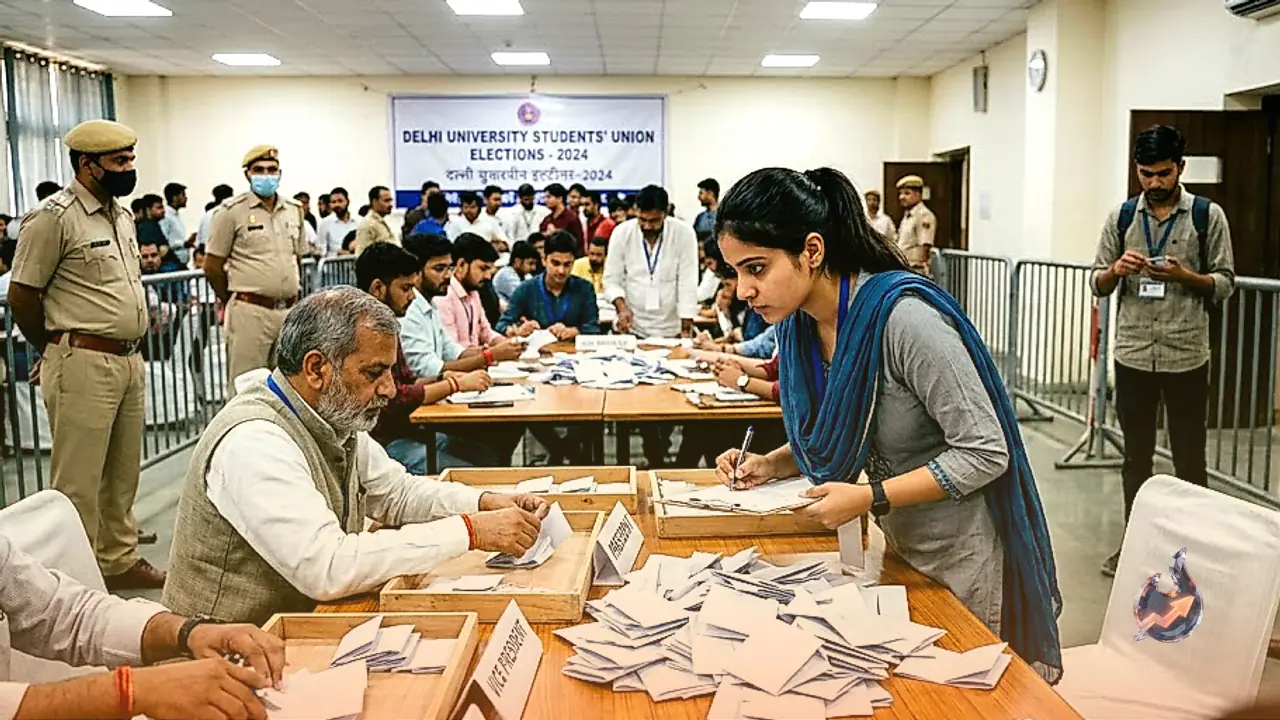
By comparison, Jawaharlal Nehru University adheres firmly to traditional paper ballots and ballot boxes. Once voting concludes, an autonomous student election committee conducts an open, manual ballot count that extends across the entire night. The multi-round verification process proceeds uninterrupted until official tallies are completed by the following morning.