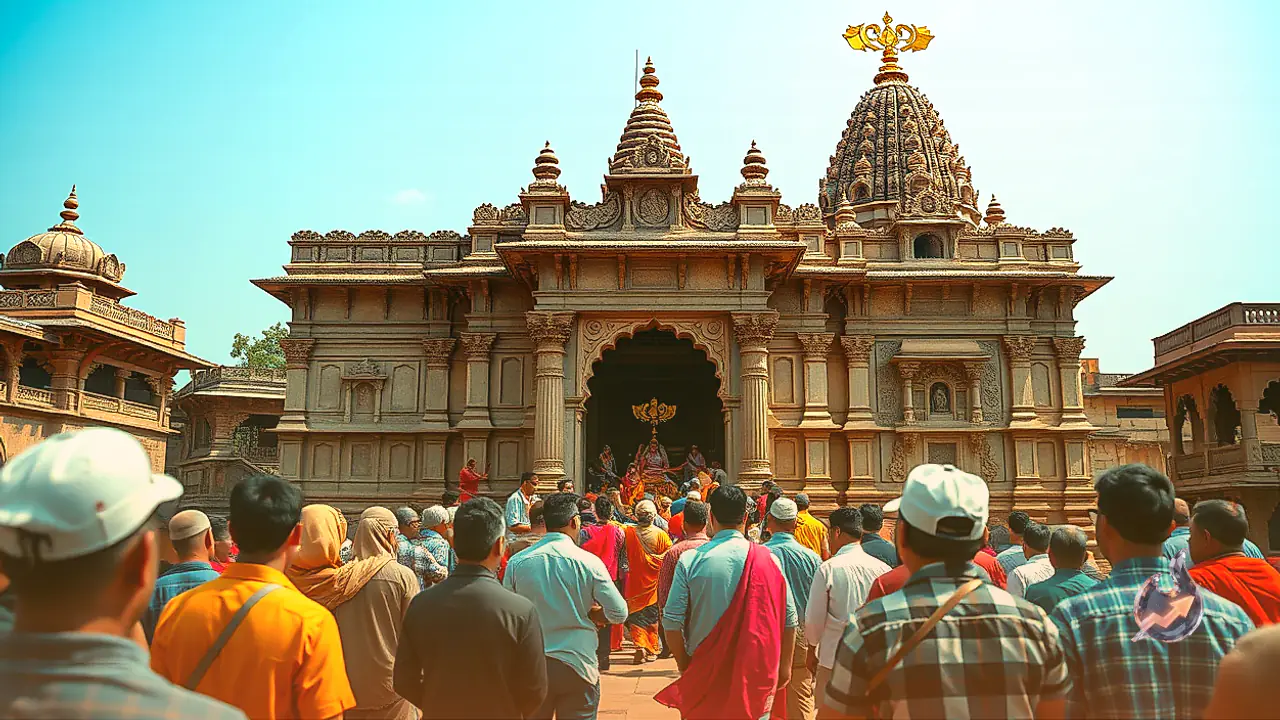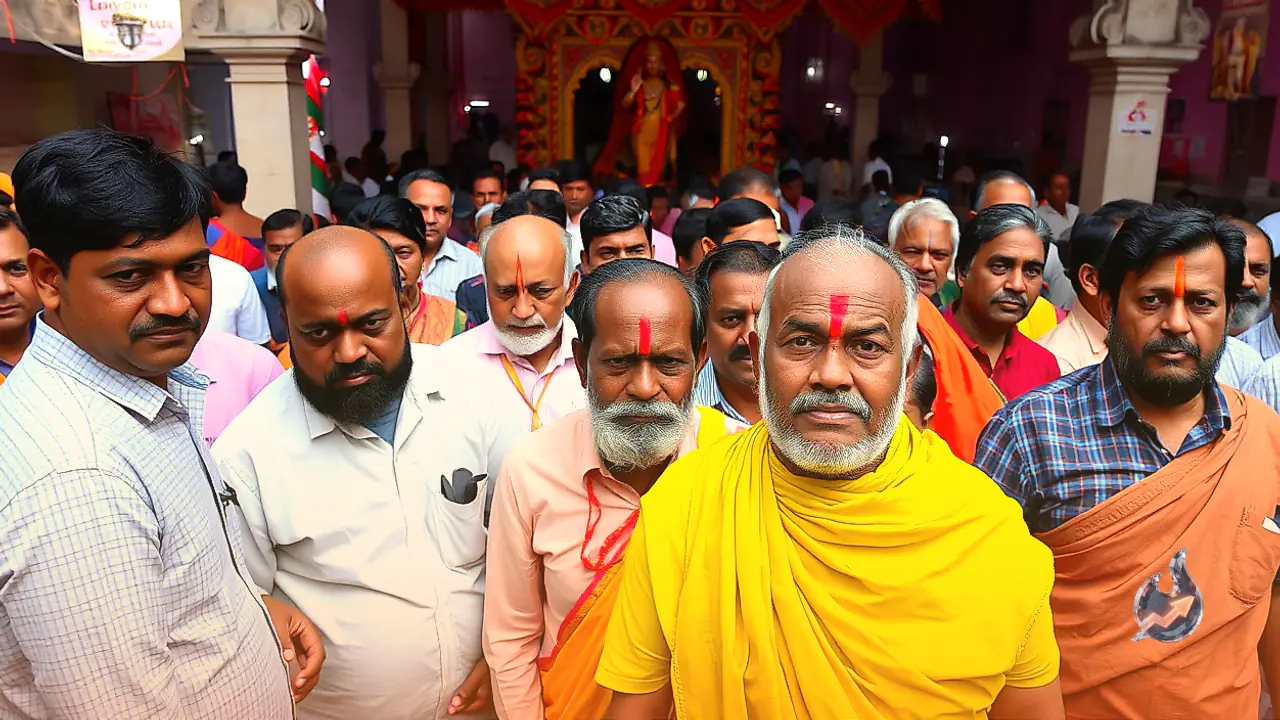


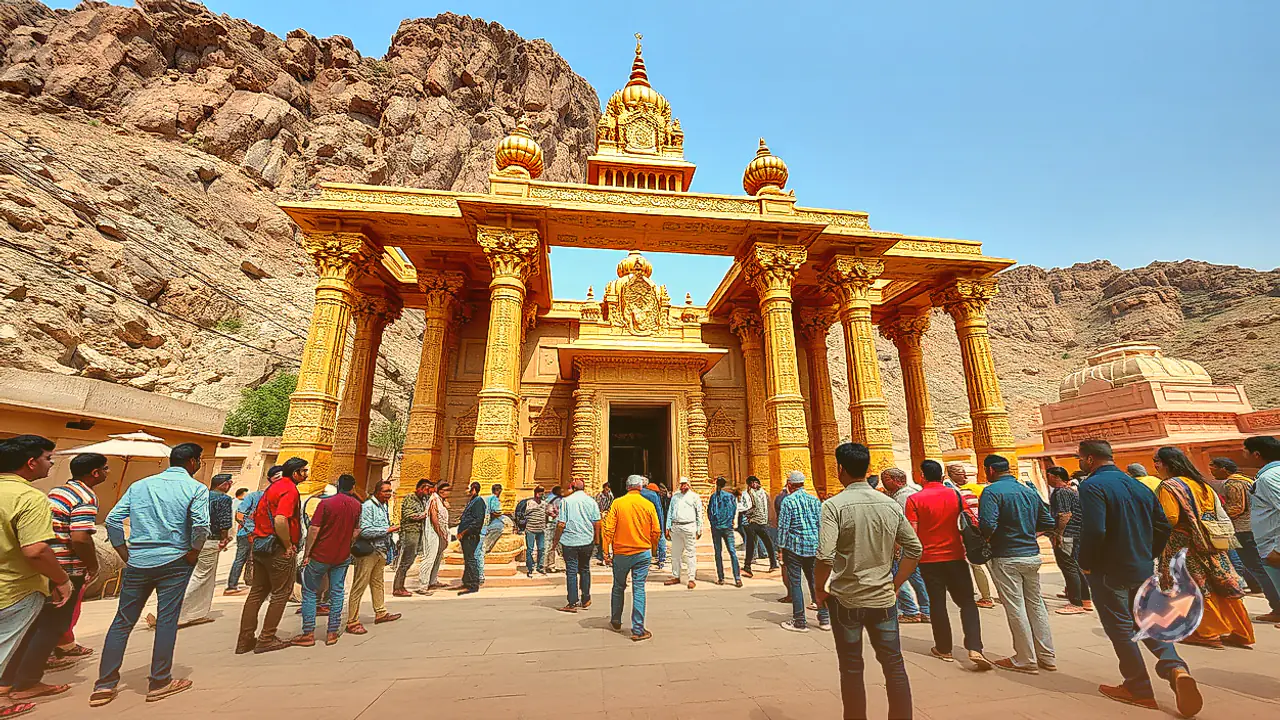
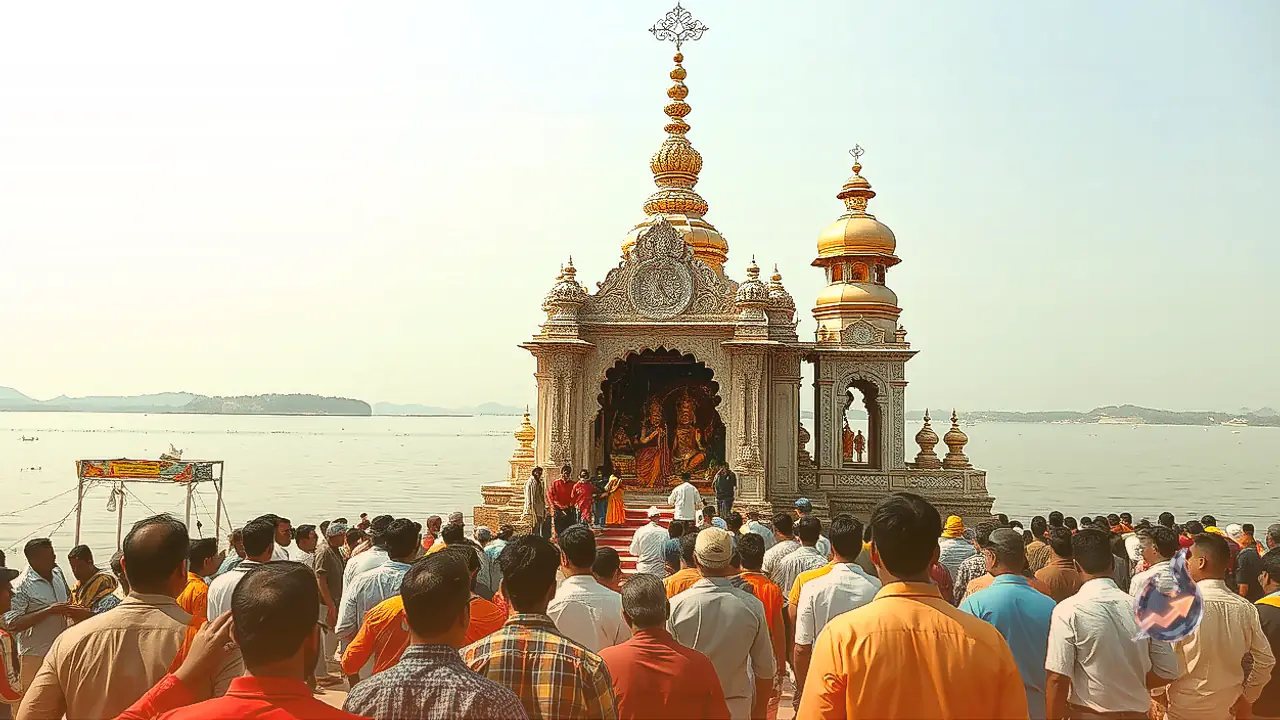
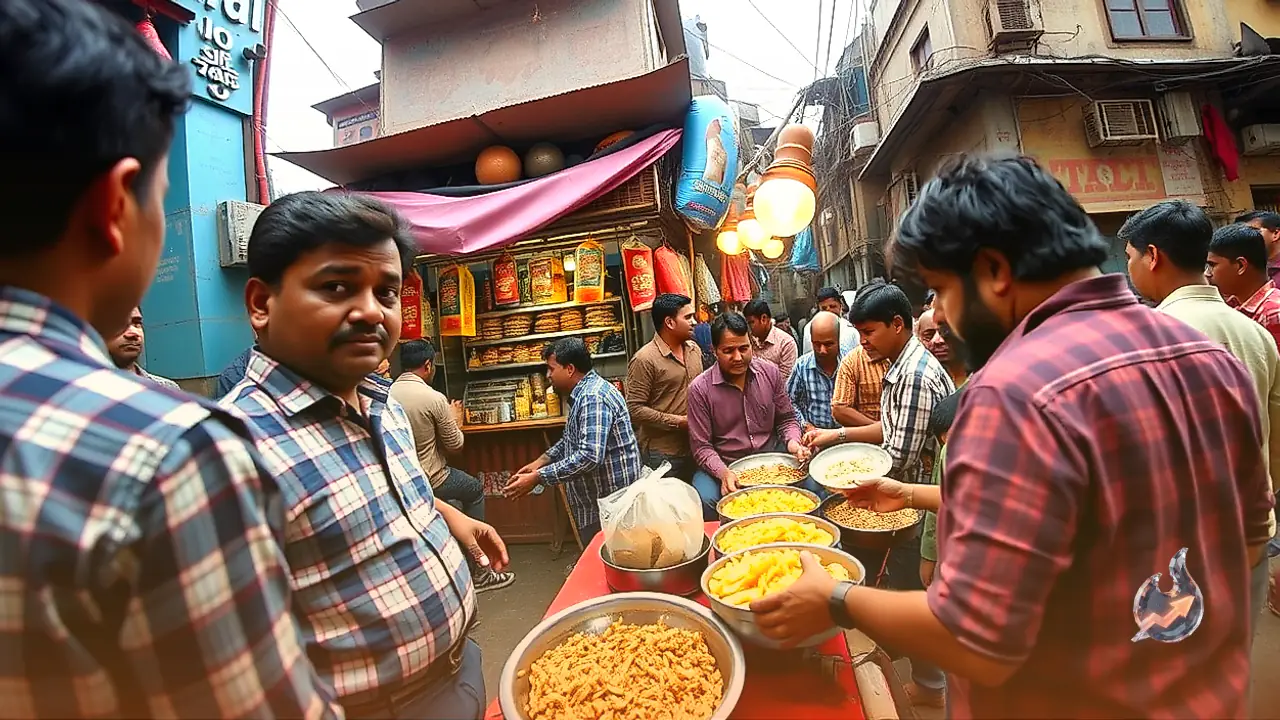














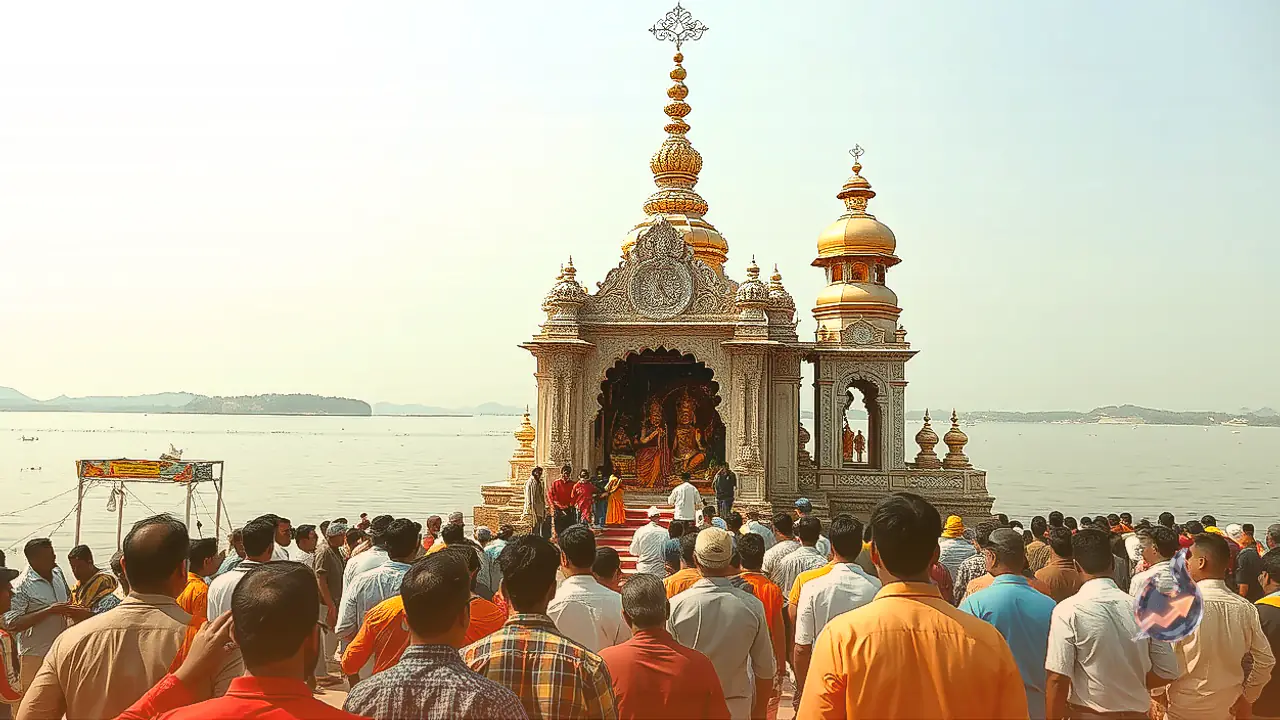

Nestled along the sprawling salt flats of Rajasthan's famed Sambhar Lake lies an unconventional pilgrimage center that offers a distinct perspective on devotion. Situated in the Marisar village of the Nawa region, the shrine known as Paglya Wale Baba Dham deviates entirely from customary temple structures. Rather than housing stone or metal sculptures of gods and goddesses, this sacred site is dedicated to the worship of the holy footprints, locally referred to as paglya, left behind by revered ascetics. Preparations are now proceeding swiftly for the grand annual fair scheduled to convene at the sanctuary on October 12.
Extensive Preparations Underway for the Annual Gathering
With massive congregations of devotees anticipated to visit during the forthcoming festivities, the shrine management committee and local administrative officials are working collaboratively to finalize logistical measures. Philanthropists and prominent community patrons from across the territory have stepped forward to shoulder responsibilities for essential public services. Coordinated arrangements are being put in place to ensure that travelers have access to clean drinking water, communal meals, secure lodging, and necessary amenities.
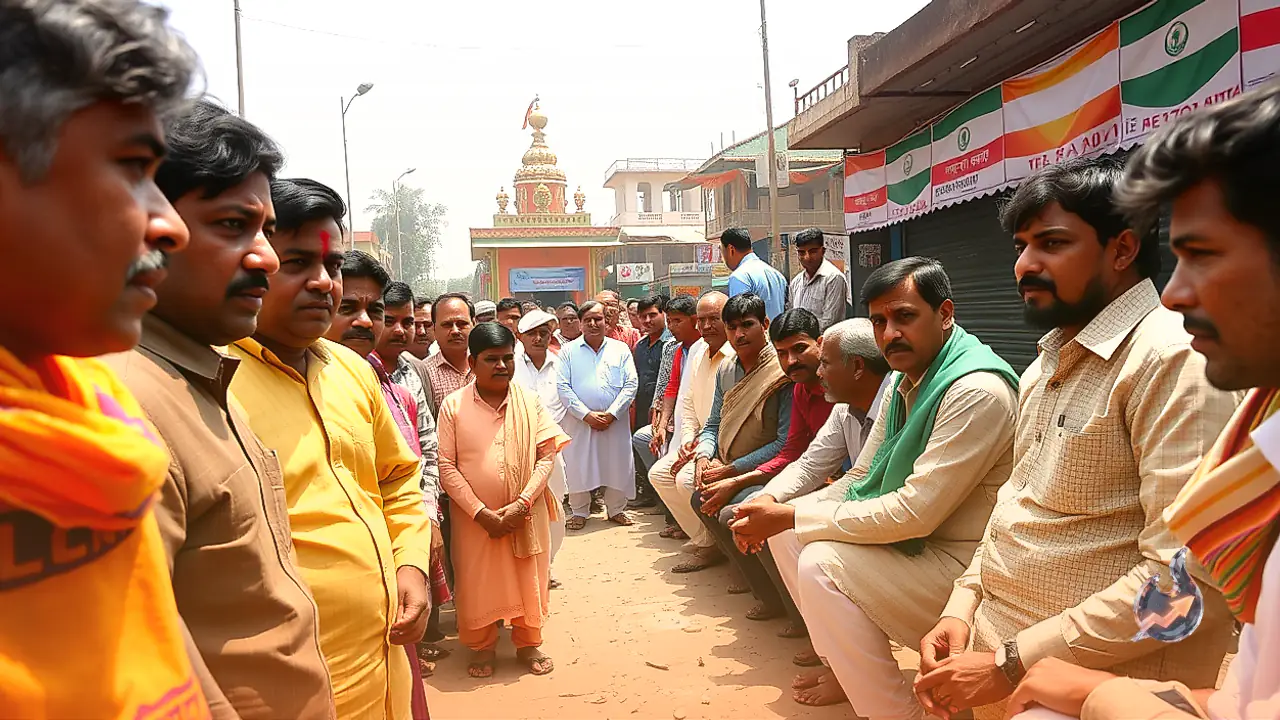
The annual gathering at Paglya Wale Baba Dham transcends standard religious observances by functioning as a collective community endeavor. Residents from Marisar and adjacent villages actively participate in crowd facilitation, traffic coordination, and guest hospitality, transforming the occasion into an inspiring display of selfless service and civic unity.
All-Night Devotional Music and Spiritual Assemblies
Festivities on October 12 will commence early in the morning along the shores of Sambhar Lake, where rituals, homage, and continuous prayer cycles will unfold throughout the daylight hours. As dusk approaches, the sacred compound will transition into an expansive spiritual venue for an elaborate bhajan sandhya.
Renowned devotional vocalists and musicians have been invited to perform traditional spiritual compositions that will reverberate late into the night. Temple organizers are carefully managing acoustics, seating enclosures, and ambient lighting to ensure that visiting pilgrims experience an uplifting and serene spiritual atmosphere during the extended musical gathering.
Veneration of Sacred Footprints over Traditional Iconography
The distinctive attribute separating Paglya Wale Baba Dham from typical shrines across the state is its adherence to venerating footprint impressions. According to enduring beliefs, this geographic setting served as the austere meditation retreat for realized masters associated with the Dadu Dayal spiritual lineage. Instead of erecting religious effigies, successive generations preserved the footprint marks impressed by those ascetic mendicants.
Devotees approach these conserved footprints with profound reverence, performing rituals and seeking personal blessings for peace, prosperity, and spiritual resolve. The very title of the shrine reflects this devotion to the holy steps rather than conventional anthropomorphic representations of divinity.
Sanctuary for Paralysis Patients and Community Welfare
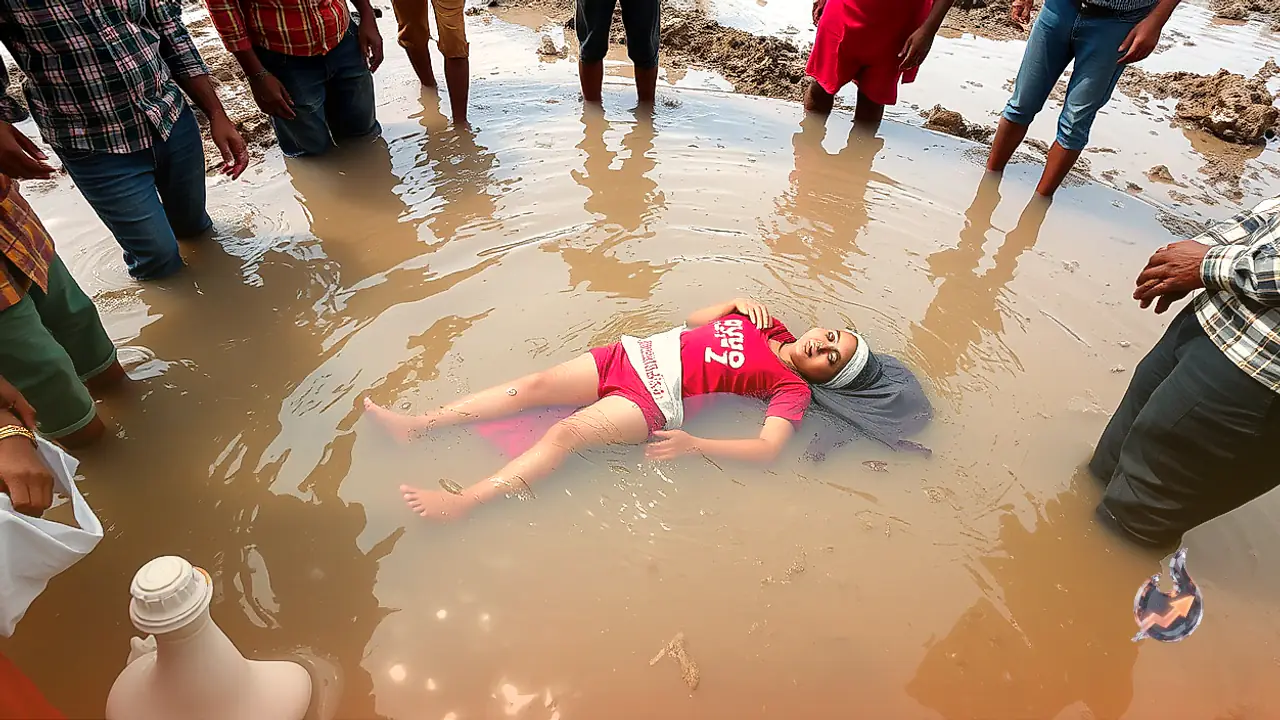
Beyond its historical lineage, the shrine has developed an extensive reputation among individuals suffering from paralysis and severe physical afflictions. A central focal point within the temple boundary is an expansive holy hearth known as the dhoona. Devotees preserve a longstanding belief that circumambulating this sanctified fire pit seven times while holding its sacred ash, followed by applying the ash directly to afflicted body parts, brings tangible relief to paralyzed individuals.
To support patients and their accompanying relatives traveling from distant localities, the temple authorities maintain a large dharamshala providing residential accommodations. Furthermore, the sanctuary oversees an extensive cowshed that provides shelter and daily sustenance to hundreds of cattle. All revenues generated through the dairy and agricultural activities of this gaushala are systematically reinvested into shrine infrastructure and cow protection initiatives.