
















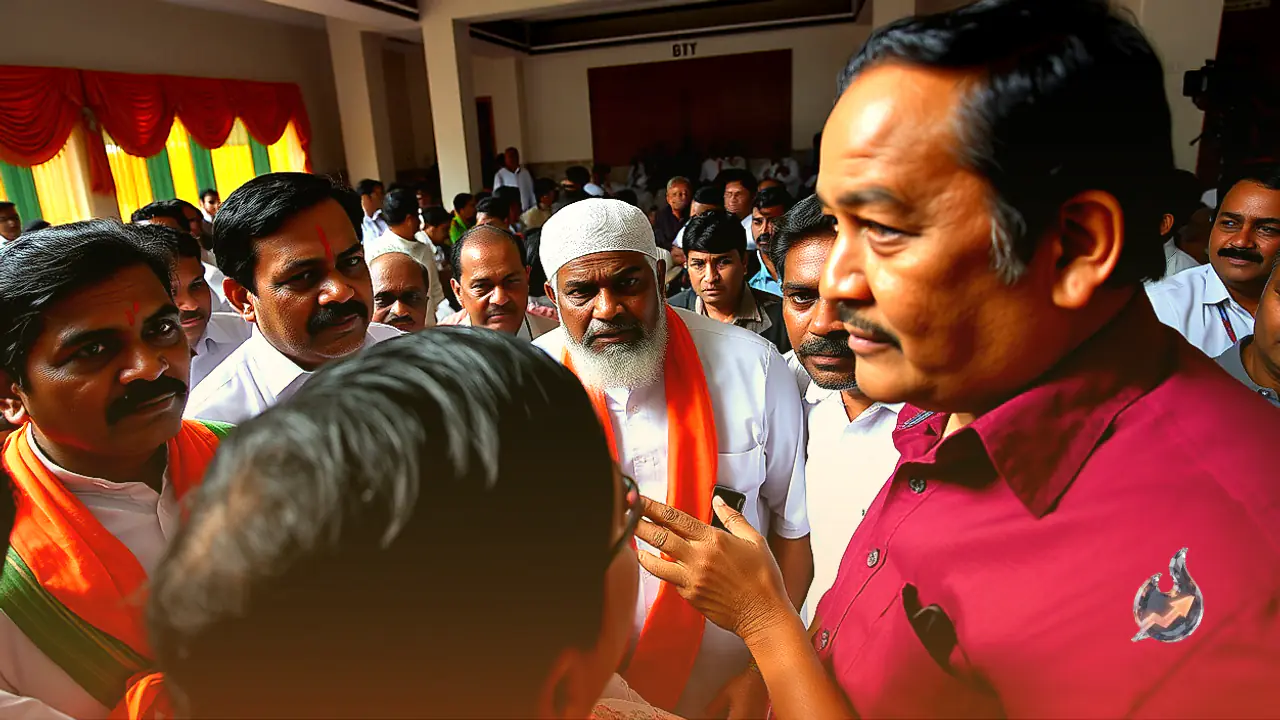

A fresh round of internal friction has gripped the Congress party in Kerala shortly after the United Democratic Front reclaimed power. Tensions have sharply escalated between UDF convener Adoor Prakash and Chief Minister V.D. Satheesan, reigniting long-standing factional rivalries across the state apparatus. With major disagreements emerging over consultation on governance matters, the ongoing dispute has placed the ball firmly in the court of the All India Congress Committee, while both camps maintain a close watch on each other's maneuvers.
Prakash Challenges Satheesan Over Lack of Consultation
The controversy broke into the open when Adoor Prakash voiced public criticism against Chief Minister Satheesan, pointing to an apparent lack of consultation regarding major decisions affecting both the government and the UDF alliance. Prakash stated that his decision to speak out was taken independently, grounded firmly in his direct observations and responsibilities as the front's convener. He further made it clear that he plans to present his grievances and detailed feedback directly before the central leadership at the AICC.
Doubts and Apprehensions Inside the Satheesan Camp
Conversely, the group aligned with Chief Minister Satheesan does not view Prakash's public intervention as an isolated or spontaneous event. Figures within this faction have begun raising questions about whether the open disapproval was quietly backed by influential leaders within the central high command. Apprehensions have also been directed toward the conduct of Deepa Dasmunshi, the AICC general secretary in charge of Kerala. This brewing confrontation is deeply anchored in the state unit's familiar pattern of faction-driven politics.
A Historical Pattern of Group Rivalry in the State
State politics in Kerala has long been characterized by competitive factions, tracing back from the era of K. Karunakaran and A.K. Antony to the days of Oommen Chandy, and persisting under the current dispensation led by Satheesan. Although the UDF successfully returned to office, the deeply entrenched balance of power has been stirred up once again. While Prakash and his associates look toward central intervention to address their grievances, Satheesan's supporters are watching closely to see whether the party high command will firmly endorse the Chief Minister's authority.
Deadlock Over Leadership and Organizational Restructuring
The rift has visibly stalled necessary organizational reorganization within the state party machinery. One faction suspects that administrative restructuring is being delayed intentionally to maintain status quo. Four months have elapsed since Satheesan assumed office and state Congress president Sunny Joseph was appointed as the electricity minister, yet the party has still not named a new state unit president. This prolonged stalemate continues to cause institutional embarrassment, with persistent group conflicts identified as the primary reason for the delay.
AICC General Secretary K.C. Venugopal Calls for Internal Resolution
Addressing the growing public friction, AICC general secretary K.C. Venugopal asserted that the party possesses established internal mechanisms to resolve such discords. He indicated that the national leadership will take proactive steps to mediate and resolve the dispute. Venugopal also firmly reiterated that he is not in favor of airing internal party disagreements in the public domain.