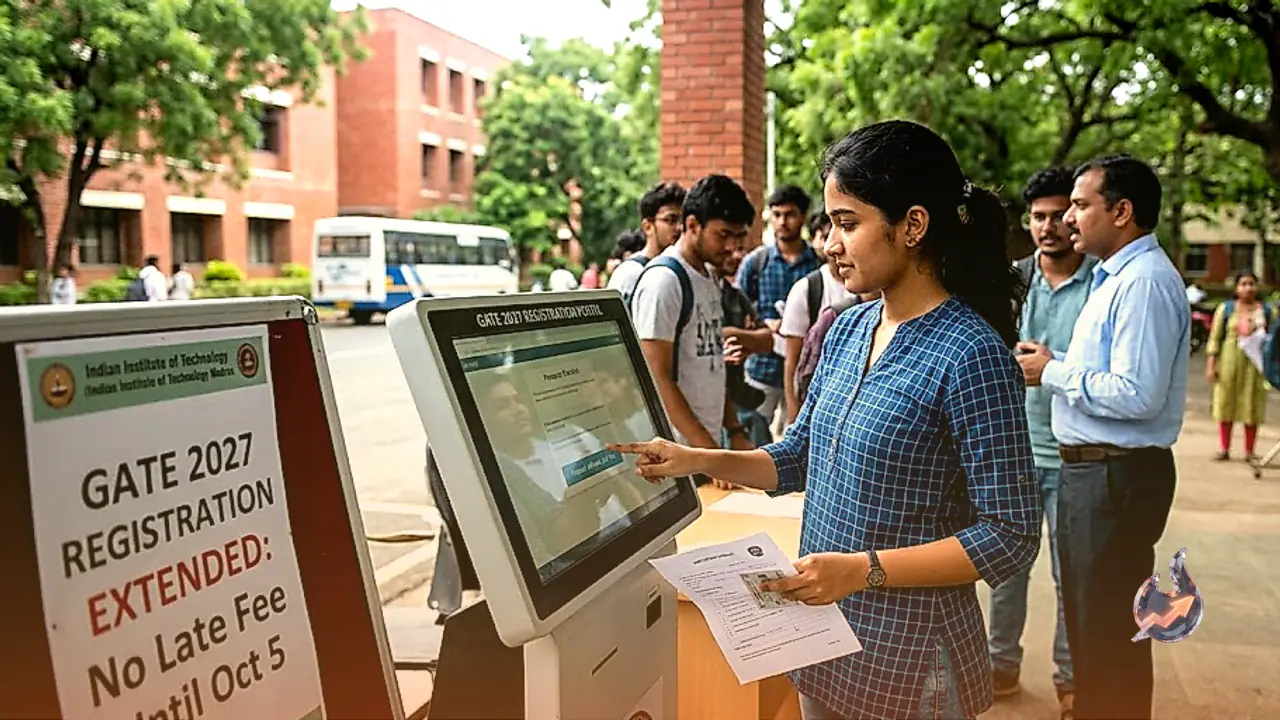
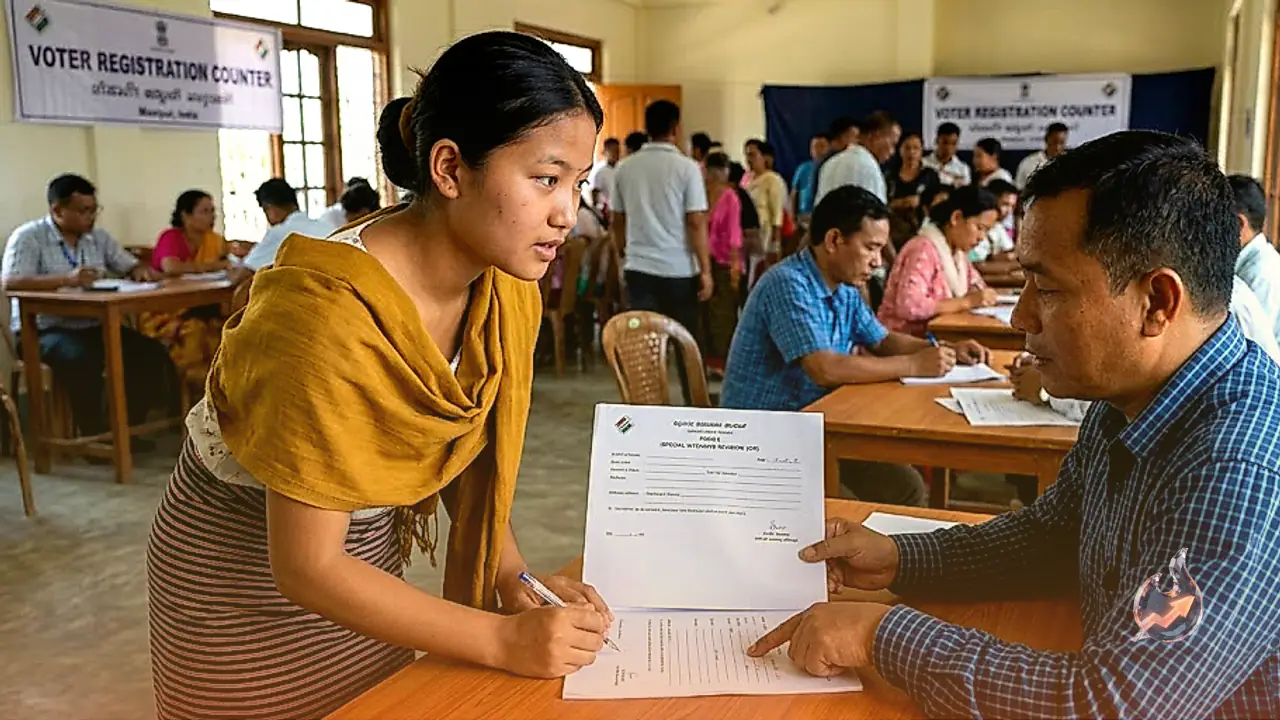
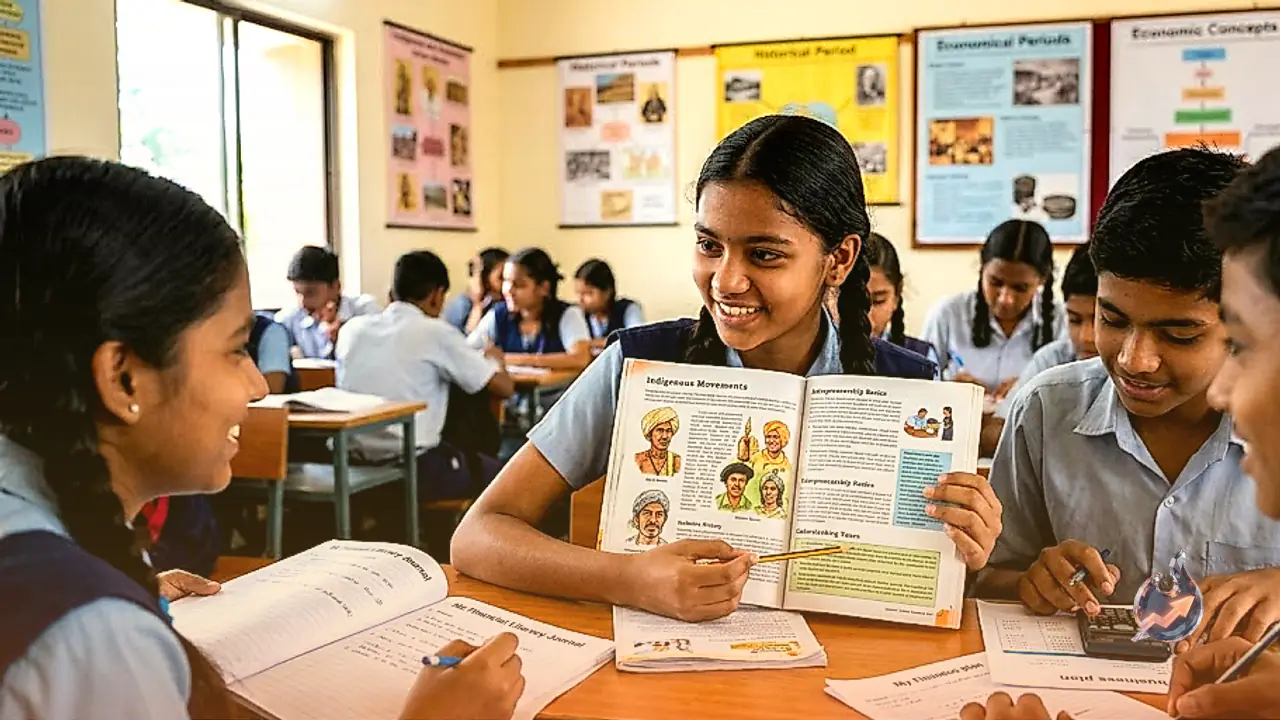














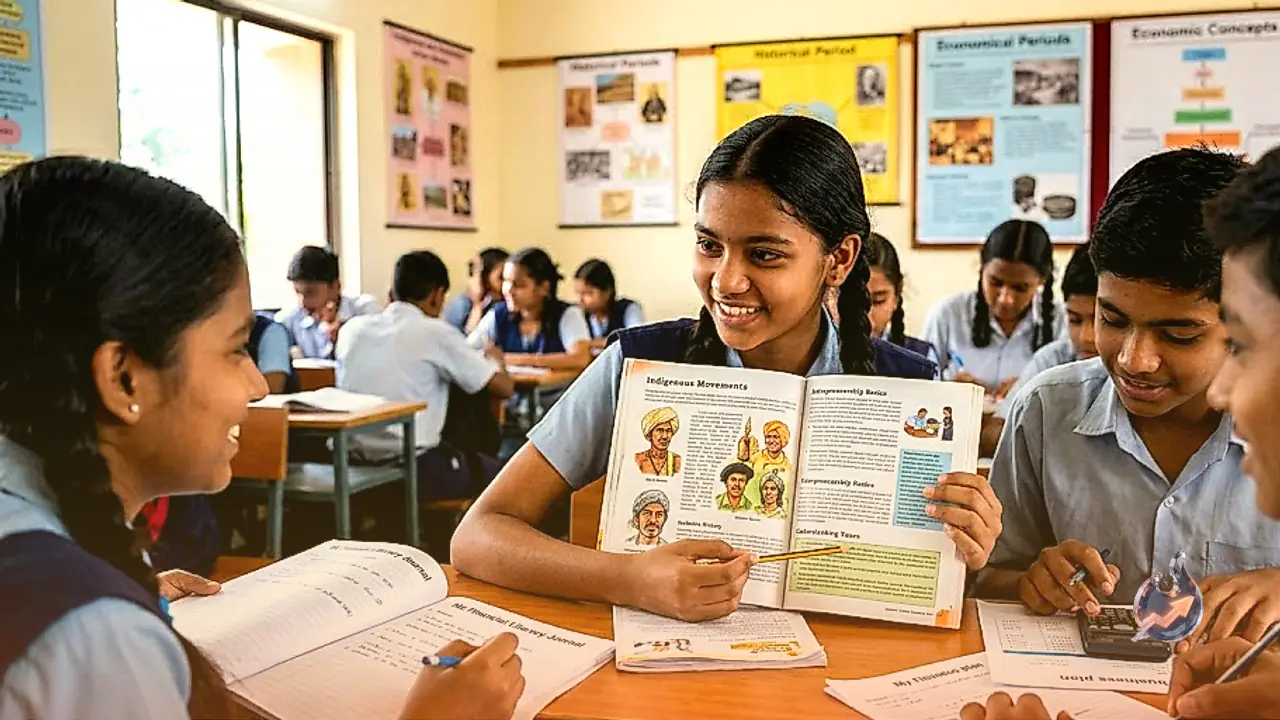

The National Council of Educational Research and Training (NCERT) has introduced a newly restructured Social Science curriculum for Class 9. The fresh textbook reframes medieval Indian history by placing indigenous resistance, local governance traditions, and socio-cultural synthesis at the forefront. Shifting away from abstract theoretical frameworks and foreign starting points, the updated syllabus equips students with real world life skills, ranging from tax structures and insurance mechanisms to business case studies featuring Lijjat Papad and the Oberoi Group.
Reframing Medieval History Around Local Resistance
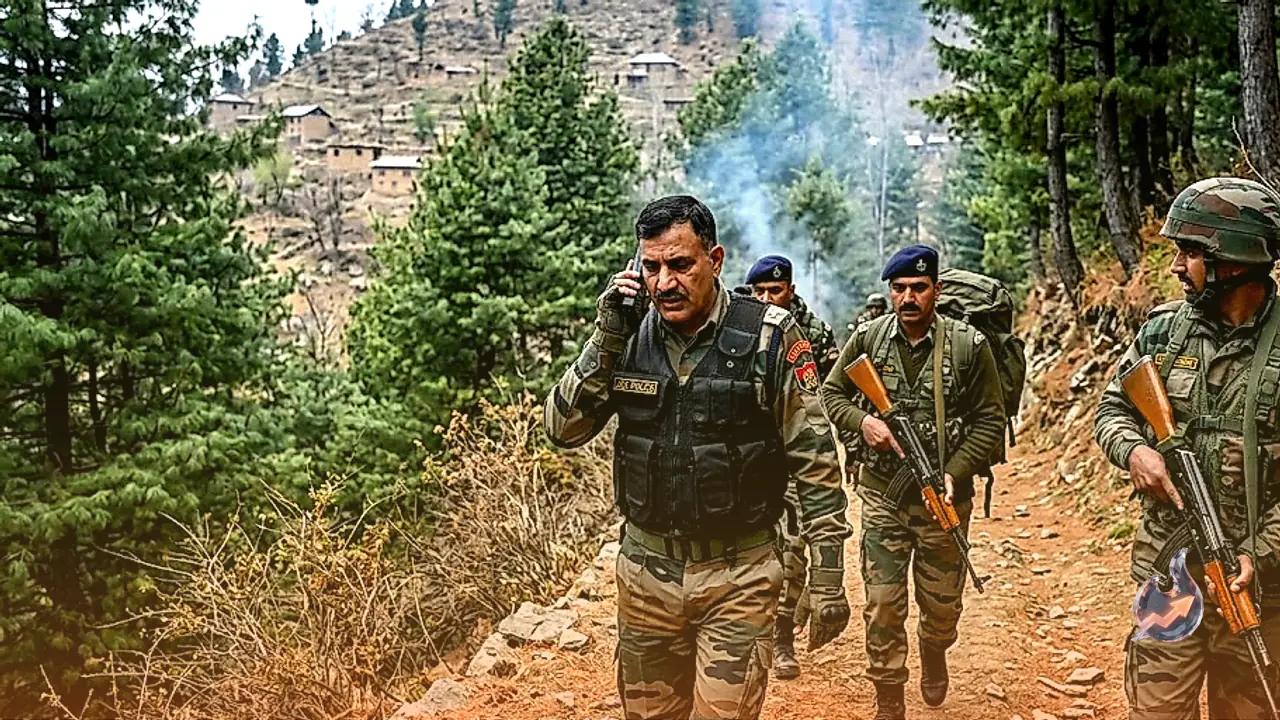
Designed in alignment with the National Curriculum Framework for School Education (NCERT 2023), the medieval history section spans the period between 1000 and 1700 CE under the chapter titled Resistance and Resilience. It highlights regional rulers and commanders who defended their territories against external forces. The curriculum explicitly covers Rani Nayaki Devi defeating Muhammad Ghori near Mount Abu in 1178 CE, Maharana Pratap's enduring conflict in Mewar, Lachit Borphukan's strategic victory at the Battle of Saraighat for the Ahom Kingdom, and organized Sikh resistance against Mughal consolidation.
The textbook expands its geographic narrative beyond northern battlefields to recognize coastal and southern resistance movements. It features the campaign of Rani Abbakka Chowta of Ullal against Portuguese colonial power. Alongside military engagements, the text addresses the destruction and subsequent rebuilding of historical temples, while analyzing how trade networks and Bhakti traditions sustained community bonds through turbulent centuries.
Emphasizing Cultural Cohesion and Inclusive Traditions
Rather than portraying medieval Indian history exclusively through the lens of conflict, the revised text gives equal weight to cultural synthesis and daily collaboration among diverse communities. It depicts the post-Akbar period as a phase of relative social integration, giving space to Sufi traditions and Bhakti literature. The contributions of Muslim Bhakti poets such as Raskhan and Rahim are integrated to help students appreciate the continuous thread of socio-cultural harmony alongside political power struggles.
Transitioning Economics from Theory to Practical Money Management
In previous iterations of the Class 9 curriculum, economics opened with traditional concepts like rural production systems, food security, and poverty metrics. The updated framework introduces functional economic literacy tied to daily life. Students will now analyze income tax slabs, evaluate borrowing options, and understand the inherent risks associated with financial investments.
To explain health coverage and public welfare mechanisms, the textbook uses the government scheme Ayushman Bharat as a practical example. Furthermore, entrepreneurship is presented as a key pillar linked to the national vision of Viksit Bharat 2047, teaching young learners how individual enterprise drives national economic progress.
Real World Case Studies: Lijjat Papad and the Oberoi Group
To ground entrepreneurial concepts in tangible experiences, the curriculum incorporates case studies of iconic Indian enterprises. Students will examine how a modest initiative by a small group of women transformed into Lijjat Papad, a thriving cooperative movement that established a benchmark for financial self reliance. Additionally, the narrative outlines Mohan Singh Oberoi's journey from humble beginnings to founding a world class hospitality chain, illustrating key principles of business creation, resource allocation, and calculated risk taking.
Civic Responsibility, Governance, and Policy Making
The political science modules connect traditional governance principles with modern public administration. The text cites Mahatma Gandhi's concept of Ramrajya, the historical symbolism of the Chola Sengol, and institutional mottos derived from ancient Indian literature. National Education Policy (NEP) 2020 serves as a case study for inclusive policy development, illustrating how public consultations, expert input, and democratic participation shape national strategies.
Similarly, the Khelo Bharat Niti 2025 is introduced to demonstrate coordination across central agencies, state administrations, sports institutions, and citizens. The chapters encourage students to view governance as an active two way process, emphasizing civic feedback, demanding accountability from public officials, and addressing issues related to administrative power abuse or service access inequality.
Curriculum Structure and Scope of Changes
Titled Understanding Society: India and Beyond (Part 2), the textbook comprises six chapters covering history, geography, political science, and economics. The geography section incorporates chapters like Oceans and Life and Life on Earth, helping students grasp ecological balances. Replacing the traditional starting point of the French Revolution, the new Class 9 Social Science framework anchors student learning firmly in regional contexts while connecting them to global dynamics.