



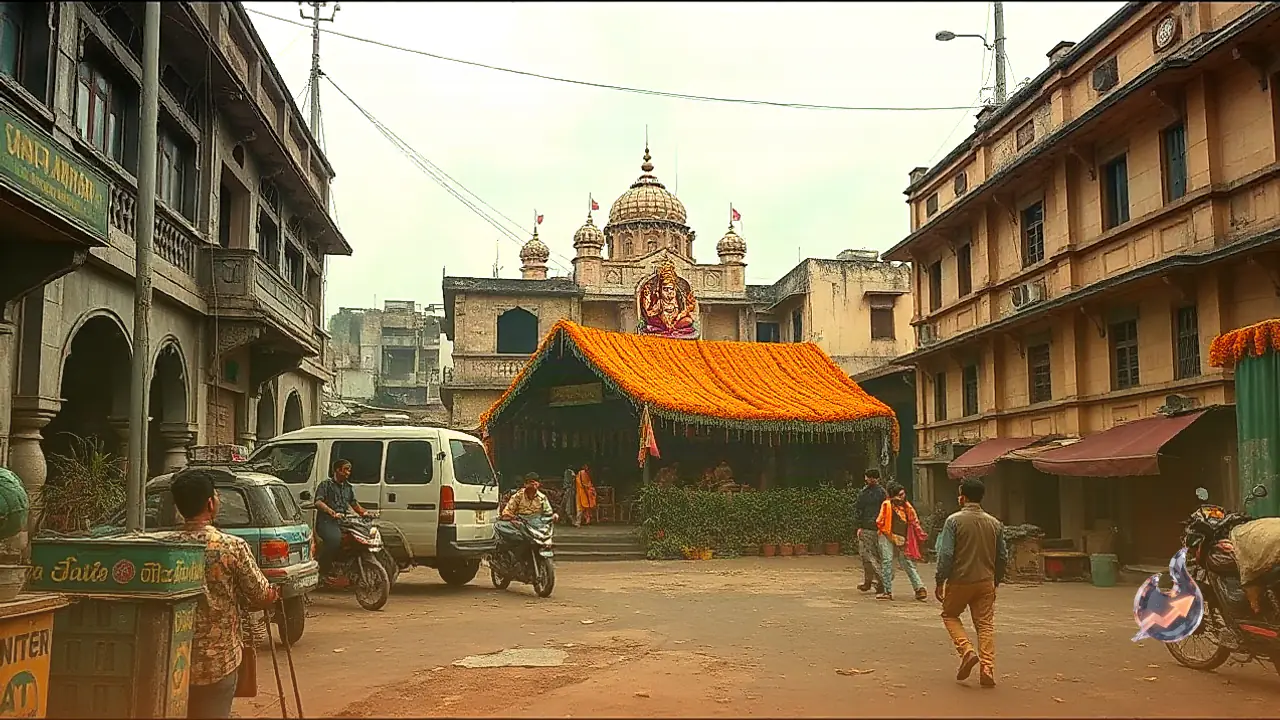


















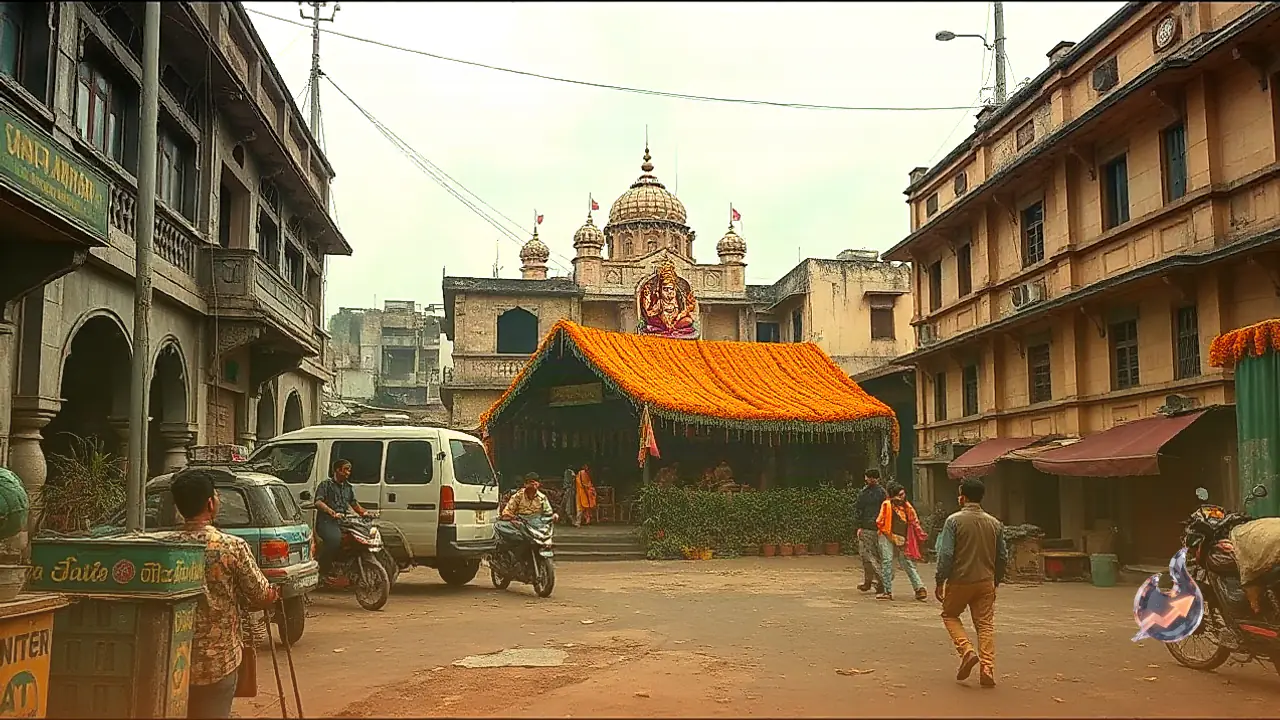

During the festive season of Ganeshotsav in Bilaspur, Chhattisgarh, where elaborate decorations and towering idols usually dominate public attention, a pandal in the Tilak Nagar neighbourhood has set a distinct benchmark by centering its celebration on social responsibility. Visitors arriving to seek the blessings of Lord Ganesha are welcomed with an opportunity to serve stray cattle rather than merely receiving traditional culinary offerings. While most community pandals organize lavish community feasts and sweet distributions for human visitors, this organizing committee chose to redirect focus toward animal welfare by arranging substantial supplies of fresh green fodder and jaggery right on the premises. Worshippers are actively engaging with the setup, hand-feeding cattle and turning their ritual devotion into direct compassionate action.
Inspiration Drawn From the Gau Samman Aahwan Movement
The concept behind this civic intervention stems from a broader public consciousness. Shubham Dixit, an active member of the organizing committee, explained that the group drew inspiration from the nationwide Gau Samman Aahwan campaign to dedicate this year's pandal theme entirely to cattle conservation. He noted that the primary purpose is to instill a deep sense of civic responsibility regarding the protection, care, and respectful treatment of cows across urban spaces. Dixit observed that while festival organizers frequently invest enormous budgets into replicating famous temples, monuments, or popular tourist destinations, their committee resolved to prioritize a living cause that directly addresses negligence toward urban animals and environmental health.
Substituting Conventional Offerings With Essential Animal Nutrition
The operational layout of the pandal deliberately integrates animal feeding into the visitor journey. Shubham Dixit stated that the committee made elaborate arrangements to stock wholesome green fodder alongside jaggery so that arriving citizens could take part in feeding the cattle without any inconvenience. Conventional festival setups routinely focus on elaborate feast distributions for attendees, yet this committee chose to allocate its resources toward meeting the daily nutritional needs of neglected cattle. Devotees have embraced this deviation from routine festive protocol, showing keen interest in performing this act of service as a meaningful extension of their religious observances.
Sounding the Alarm on Single-Use Plastic and Stray Ingestion
Beyond the immediate act of distributing feed, the committee is using the platform to address systemic municipal hazards that threaten street animals. Organizers pointed out that meaningful cow protection requires urgent behavioral changes, particularly concerning the widespread use and reckless disposal of plastic. Domestic cattle roaming city streets frequently ingest polythene bags and plastic wrappers while attempting to scavenge leftover food dumped in garbage bins, leading to severe intestinal blockages and painful deaths. The committee has issued an earnest appeal to residents to eliminate single-use plastic from their kitchens and completely stop packing food waste inside polythene bags before throwing it away.
Decades of Community Service and Responding to Road Accidents
Hasnem Khan, who has been an integral part of the festival organizing body for roughly 22 years, provided crucial context on the ground realities that prompted this initiative. Drawing from his long tenure with community initiatives, Khan emphasized that cattle suffering severe trauma in vehicular collisions on city roads has become a distressing and routine occurrence. He observed that many motorists and passersby simply drive past maimed and distressed animals without offering assistance. Motivated by the need to dismantle this public apathy, Khan proposed to fellow members that the festival platform be converted into a vehicle for animal welfare. He urged citizens to stop being passive bystanders, emphasizing that anyone encountering sick or injured cattle must take immediate steps to provide shelter, contact veterinary doctors, or notify local relief networks for timely intervention.
Instilling Cultural Values and Accountability in Younger Generations
Highlighting the cultural significance of the theme, Parth Dixit remarked that the core philosophy of the setup is rooted in India's long-standing heritage regarding the preservation of livestock. He explained that evolving urban lifestyles and shifting domestic habits have widened the disconnect between young citizens and their obligations toward domestic animals, making public awareness campaigns indispensable. By institutionalizing the feeding of fodder and jaggery at the pandal, the committee aims to offer children and young adults a tangible experience in animal empathy, ensuring that visitors travelling from various corners of the city leave with an active commitment to animal care.
Looking Beyond Commercial Utility in Animal Husbandry
Devesh Dixit, who attended the prayers at Tilak Nagar, stressed the deeper philosophical message embedded in traditional veneration of livestock. He remarked that modern society often reduces animals strictly to instruments of economic output or milk production, abandoning them once their perceived financial utility diminishes. The pandal strives to dismantle this utilitarian perspective, reminding citizens that domestic cattle require lifelong care, medical attention, and sustained guardianship. He also pointed out that the committee consciously avoided lavish and wasteful ornamental excess, ensuring that the entire aesthetic remained simple, grounded, and fully aligned with the solemnity of their welfare appeal.
Fostering Sustained Impact and Plans for Future Public Campaigns
Satish Dixit, who has been personally committed to animal care initiatives over many years, highlighted the broader transformative aims of the project. He stated that the foremost ambition of the pandal is to ensure that anyone paying homage to Lord Ganesha carries away a lasting impulse to engage in regular animal service within their own residential neighbourhoods. The committee underscored that public festivals should not remain fleeting spectacles but should instead inspire long-term changes in daily conduct. The unique arrangement at Tilak Nagar continues to attract significant civic admiration across Bilaspur, and the organizing body has affirmed that it will continue utilizing future editions of Ganesh festival to highlight critical environmental and social causes.