
























In an unexpected diplomatic development aimed at easing economic friction, the United States and China have reached a mutual understanding to stretch their existing trade truce through January 10. The temporary freeze on escalating economic measures had originally been slated to lapse in November. The breakthrough emerged following an unannounced gathering held in Washington between US Treasury Secretary Scott Bessent and Chinese Vice Premier He Lifeng. By pushing the deadline into the new year, both global economic giants have bought precious negotiating room to avoid immediate retaliatory duties and broader supply chain interruptions.
Extending the Busan Accord Framework
Addressing reporters regarding the outcome of the impromptu discussions, Treasury Secretary Scott Bessent verified the postponement of the expiration deadline. He explained that the economic détente between the two superpowers, designated as the Busan Agreement, was due to conclude on Nov. 10 but will instead remain operational until Jan. 10. This two-month window offers both administrations an opportunity to reassess their trade positions without triggering automatic tariffs.
Looking ahead, Bessent noted that officials might successfully negotiate a more extensive economic framework by the time January arrives. Alternatively, the Treasury Secretary remarked that the two nations could simply choose to roll the current deal forward into another extension. Just after these developments, Chinese President Xi Jinping landed at Joint Base Andrews outside Washington alongside his wife Peng Liyuan shortly before 6 p.m. local time on Wednesday. Stepping off the aircraft for the high-stakes summit, Xi expressed clear optimism, noting that he was confident the visit would generate fruitful results.
Roots of the Transpacific Tariff War
Trade conflicts emerge when nations embrace extreme protectionist trade barriers to shield home industries, prompting trading partners to retaliate with their own protective measures. Such tit-for-tat duties routinely escalate the costs of imported raw materials and finished products, eventually driving up everyday consumer expenses and inflation. The current trade dispute between the US and China traces back to early 2018, when President Donald Trump instituted tariffs against Chinese products over alleged unfair commercial practices and the theft of intellectual property. China quickly retaliated by penalising notable American shipments, prominently targeting agricultural exports like soybeans along with US manufactured automobiles.
These retaliatory rounds escalated until January 2020, when representatives of both nations ratified the Phase One agreement. That compact outlined commitments toward structural market reforms and adjustments within China's trade mechanisms, aiming to rebuild commercial predictability and mutual trust. Nevertheless, the outbreak of the Coronavirus pandemic promptly shifted international attention away from tariff negotiations. Following the change in administration, President Joe Biden elected to leave Trump's tariffs intact while implementing additional specialised trade levies of his own.
The White House Transition and Macroeconomic Fallout
The return of Donald Trump to executive power as the 47th US President reignited immediate economic tension across the Pacific. While campaigning during the 2024 presidential race, Trump pledged to impose blanket 60% tariffs on incoming Chinese goods upon his return to the Oval Office, an agenda he pursued after his inauguration on January 20, 2025. The resumption of aggressive tariff measures disrupted worldwide supply channels and contributed to a broad retreat in corporate capital expenditure, which in turn directly fed into higher Consumer Price Index inflation figures.
Bond Yields Spike and Currency Markets React
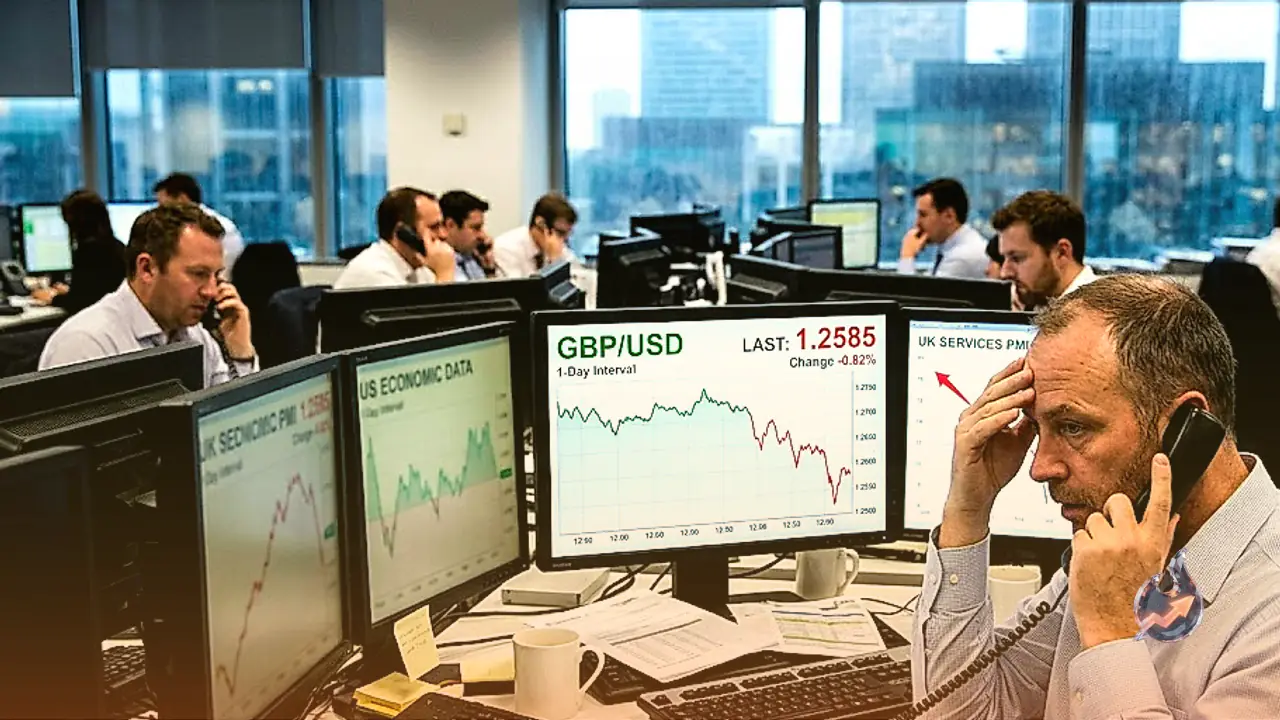
Alongside trade developments, macroeconomic pressures reverberated across global financial assets on Wednesday. Strong expectations that the Federal Reserve will maintain tight monetary settings spurred a sharp rally in US Treasury yields. Benchmark yields on both 5-year and 10-year Treasury notes crossed above the critical 5% threshold, triggering volatility across foreign exchange desks. Driven by soaring US debt yields, the Australian Dollar slid over 1% against the greenback, sliding down to 0.7039 after previously touching an intraday peak of 0.7118.
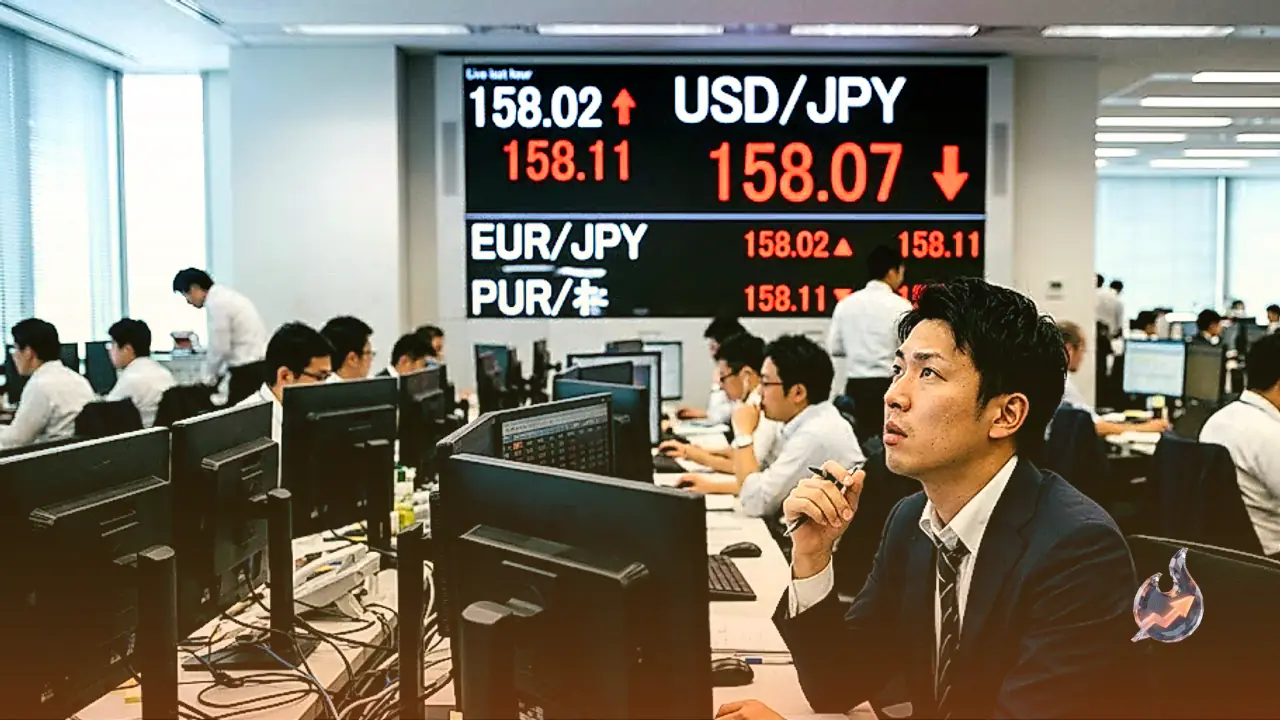
Currency traders also kept a close watch on USD/JPY, which hovered around the mid-157.00 range during Asian hours on Wednesday, lingering near two-week highs recorded late last week. A dovish rate increase from the Bank of Japan left the Japanese Yen comparatively soft against a resilient US Dollar, although lingering apprehension over currency market intervention by Japanese authorities capped further upside momentum. Meanwhile, financial participants largely looked past the conclusion of indirect talks between US and Iranian negotiators ahead of the bilateral Trump-Xi meetings.
Retreat in Gold Bullion and Digital Assets
Commodities and cryptocurrency markets also experienced sudden mid-week pullbacks as cash flowed back toward the dollar. Spot gold halted a two-day run of gains, coming under heavy selling pressure that dragged the precious metal below the $4,300 per troy ounce threshold to touch fresh weekly lows. The decline was heavily compounded by the broad rebound in the US Dollar index and firm liquidity conditions in US money markets.
Crypto markets exhibited similar consolidation after extensive price expansions. Ethereum dropped by 3%, slipping under $2,700 on Wednesday as derivative investors paused. Metric data shows that aggregate open interest across ETH contracts has maintained a steady baseline ever since the short squeeze in late August that carried valuations above $2,000. In central banking policy, the Bank of Japan moved forward with normalising its monetary regime, lifting its overnight interest rate target from 1.00% to 1.25% in a decisive 7-2 vote that conformed precisely to broad market projections.