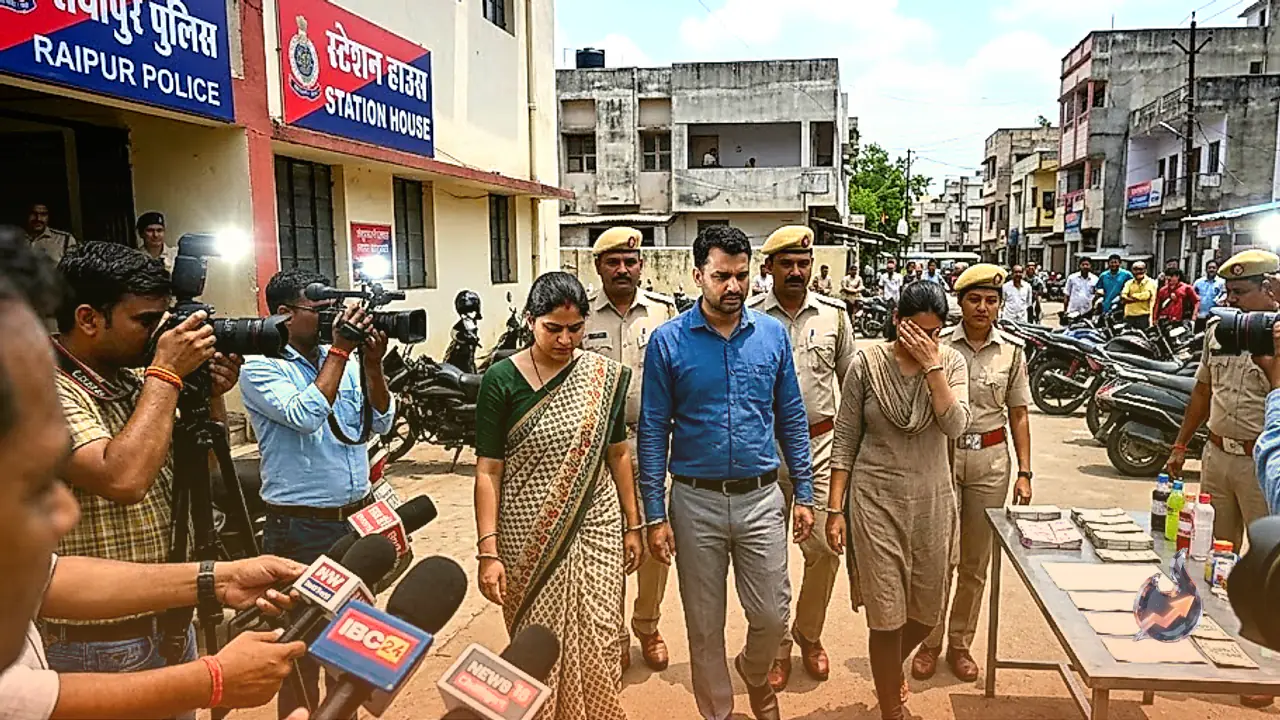
























The Bilaspur High Court has dealt a significant blow to the Chhattisgarh State Waqf Board, immediately staying a controversial directive that imposed a sweeping ban on DJ music, dhumal, dancing, and singing at dargahs and religious gatherings across the state. With the court's intervention, the Waqf Board's order has been rendered ineffective for the time being.
The June 2026 Order That Sparked the Controversy
Dr. Saleem Raj, the chairman of the Chhattisgarh State Waqf Board, had issued the directive in June 2026. It imposed a complete prohibition on the use of DJ music, dhumal, and any form of dancing or singing at all dargahs, urs, and other religious gatherings across the state. The order also attached a financial penalty to the ban: anyone found violating it would face a fine of Rs 50,000.
The Board's Justification for the Ban
The Waqf Board defended its directive by arguing that the use of DJ music, dance performances, and similar activities at religious sites and events was fundamentally at odds with established religious traditions. In the board's view, such practices were incompatible with the sanctity of these occasions and spaces, making a ban necessary.
High Court Grants Immediate Stay After Petition
The order was challenged before the Chhattisgarh High Court. After hearing the arguments put forward by the petitioner, the Bilaspur High Court granted an immediate stay on the Waqf Board's directive. As a direct consequence, the board can no longer take any action against organisers for playing DJ music or dhumal at religious events, nor can it enforce the Rs 50,000 fine.
The Legal Question That Remains
The dispute is far from settled. Future court hearings will address a critical underlying question: does the Waqf Board actually hold the legal authority to frame rules banning certain practices at religious gatherings and to impose financial penalties on violators? Until that question is answered, the High Court's stay keeps the board's order suspended.