





















Union Minister Nitin Gadkari has secured interim relief from the Bombay High Court in a matter involving alleged defamatory and deepfake content circulated against him and his family. The content linked the minister to the central government's E20 ethanol blending initiative, asserting fraudulent and damaging claims. Taking strong note of the petition, the High Court directed digital intermediaries and social media platforms to immediately remove all flagged objectionable posts, videos, and related material from their networks.
Court Observations and Tech Platforms Response
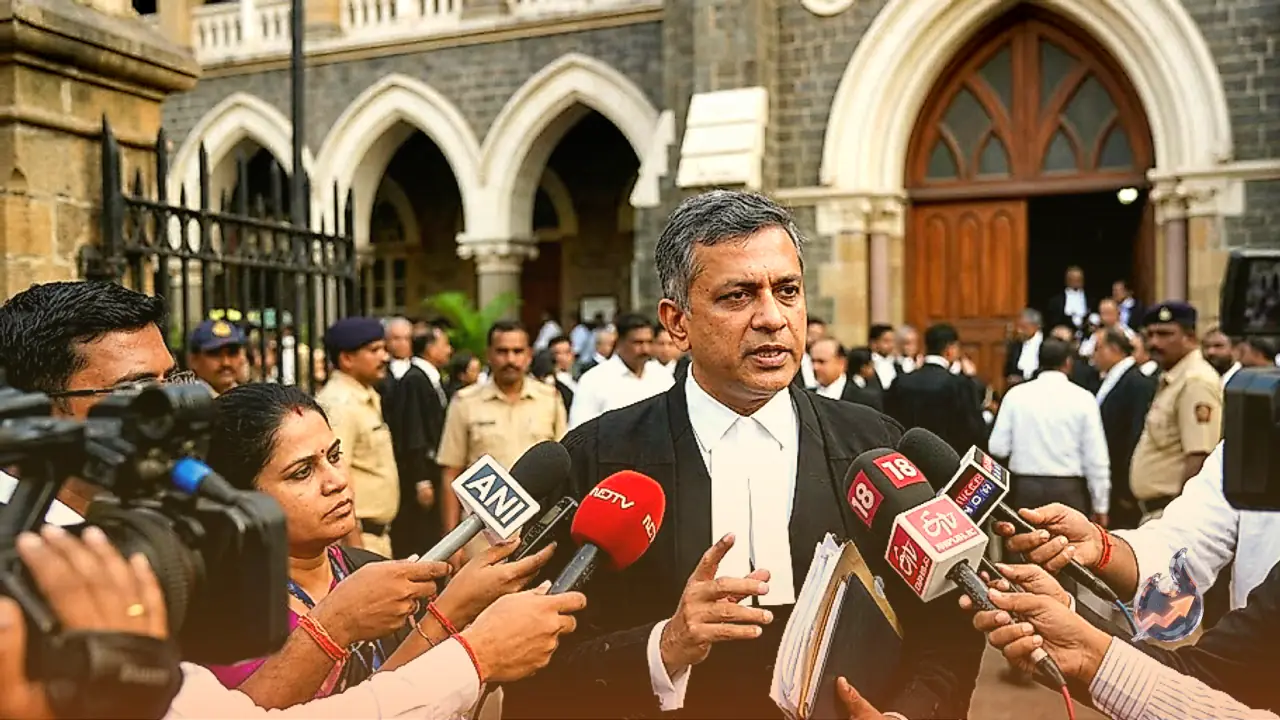
The matter was heard by a single-judge bench of Justice Arif Doctor. During the proceedings, the judge examined the material submitted by Nitin Gadkari and categorized it as highly vulgar and abusive. The bench pointed out that transcripts from content such as Instagram reels revealed material of an unacceptably low standard. The court observed that such abusive material has no place on public platforms accessed by people of all age groups, including young audiences.
Legal representatives for tech majors Meta and Google appeared during the hearing and agreed to take down the objectionable material listed in Exhibit C of the petition. The High Court accepted their undertaking on record and directed that the identified content be removed without delay.
Distinction Between Fair Criticism and Deepfake Misinformation
Crucially, the Bombay High Court clarified the scope of its interim injunction by distinguishing between malicious misinformation and legitimate public debate. The bench explicitly stated that its order will not restrain bona fide, fact-based, and fair criticism of government policies or the minister's public duties. While responsible review of the E20 policy remains protected, deepfake technology and fabricated posts designed to defame will receive no legal defense.
During the arguments, Meta's counsel pointed out that certain content might constitute fair comment. Responding to this, Gadkari's counsel clarified, "I am not stopping any fair criticism." Concurring with this view, the judge remarked, "I agree this is not about criticism." The court reiterated that the focus of the order remains strictly on abusive material and fabricated media.
Named Defendants and Future Compliance Mechanism
The legal action filed by the minister names multiple major technology entities and governmental authorities as defendants. These include Meta, X, Google/YouTube, the Union Ministry of Electronics and Information Technology, the Department of Telecommunications, and unknown internet users designated under the legal convention as Ashok Kumar/John Doe. The petition highlighted that artificial intelligence and deepfake tools were being misused to systematically harm the minister's reputation.
To address potential future violations, the High Court established a structured reporting mechanism. Should the plaintiff discover additional defamatory or deepfake material, he may notify the defendant platforms directly, after which the intermediaries are required to take prompt remedial action. The court further clarified that if any gray area arises regarding specific content, the parties retain the liberty to approach the court for resolution. The Bombay High Court will resume hearing the matter after 4 weeks.