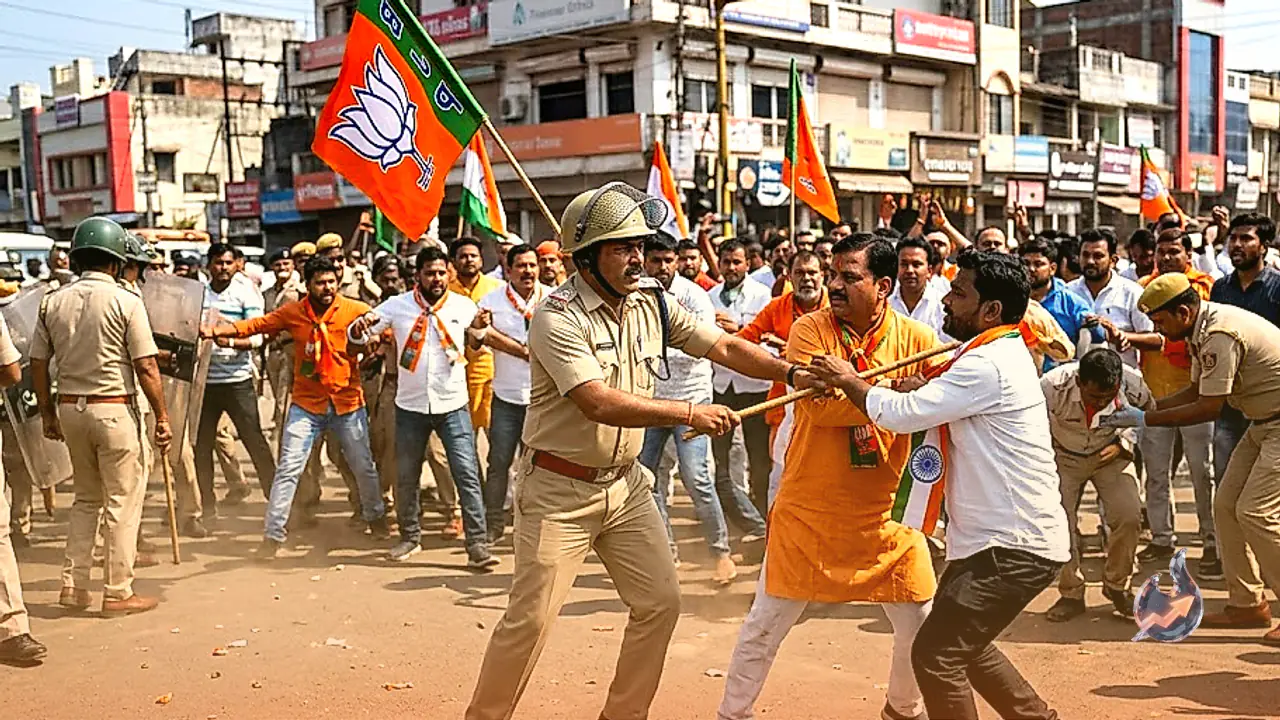





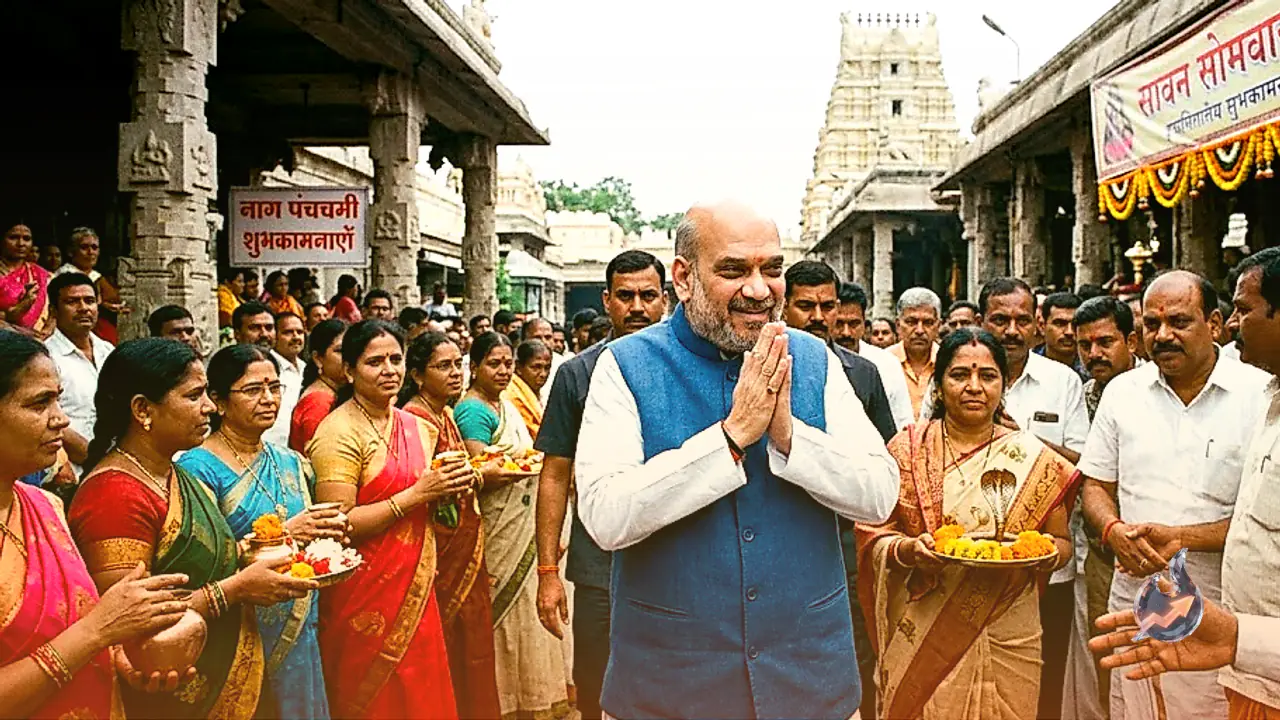

















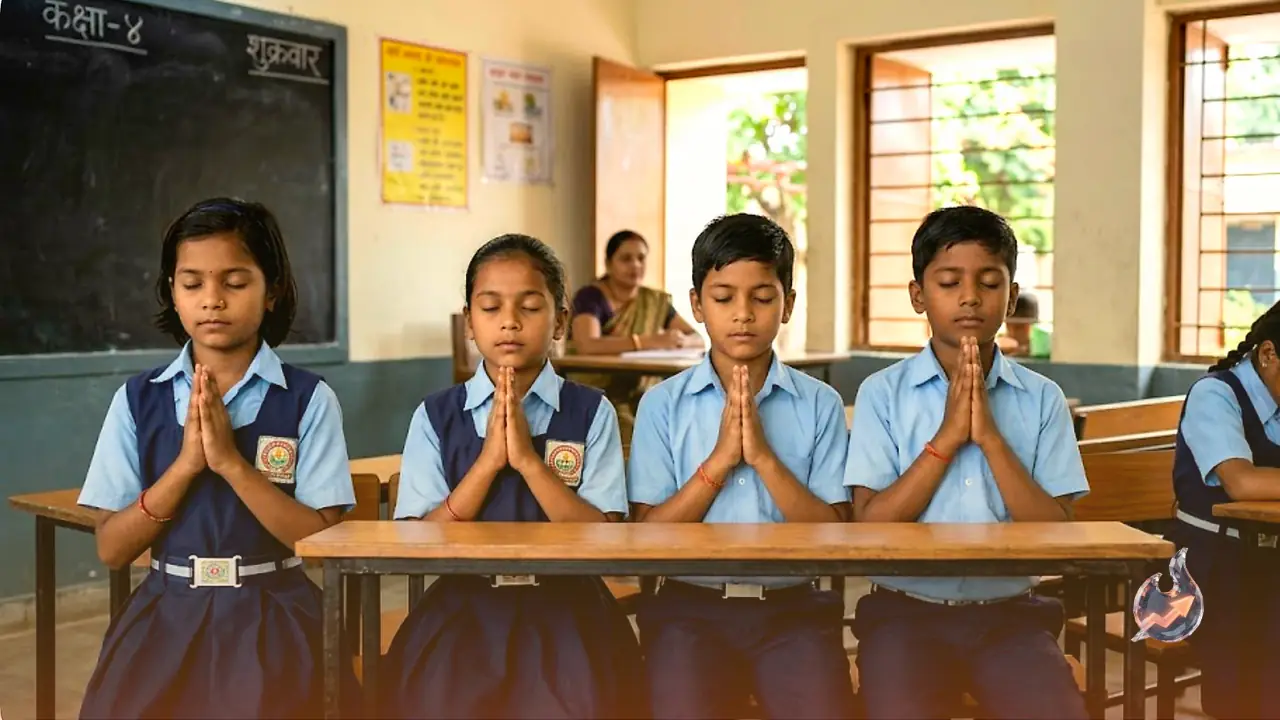

The Chhattisgarh High Court has dismissed a petition challenging the mandatory recitation of mantras and prayers in the state's government schools, ruling that there is no concrete evidence yet that such recitation is actually taking place.
What the court said
Hearing the matter, the High Court noted that the petitioner could not produce solid proof that mantra recitation was being carried out in schools, and on that basis declined to intervene. At the same time, the court left the door open for the future: if concrete evidence such as videos, documents or other proof of such activity surfaces later, or if such practices are actually found to be happening in schools, the petitioner is free to approach the court again with a fresh petition.
Who filed the petition, and why
The petition was filed by Abdul Salman Rizvi, former chairman of the Waqf Board. Advocate Dr. Aamir Khan argued the case on his behalf. The petition described the Chhattisgarh government's order as a violation of the Constitution and sought its annulment. It argued that Article 28 of the Constitution gives every individual the freedom to opt out of participating in religious instruction imparted in state-funded educational institutions, and contended that the government's order breached this constitutional right.
What the June 12 order actually said
On June 12, the Chhattisgarh government had issued an order calling for certain activities to be made mandatory in schools three times a day. Under the order, the morning assembly was to include the national anthem, the national song, the deep mantra, Saraswati Vandana, the guru mantra, and readings from the biographies of great personalities. At lunchtime, students were to collectively recite the bhojan mantra, while at the time of school closing in the evening, the order prescribed recitation of the state song, the Gayatri mantra and the shanti mantra.
Government told the court the order has not been implemented
The state government told the court that, despite the June 12 circular being issued, the system has not actually been put into practice anywhere in the state. According to the government, no government school in Chhattisgarh has yet mandatorily begun reciting mantras or prayers under the order. It was this admission, combined with the absence of concrete evidence, that led the High Court to dismiss the petition, while keeping the option open for a fresh legal challenge if evidence emerges later.