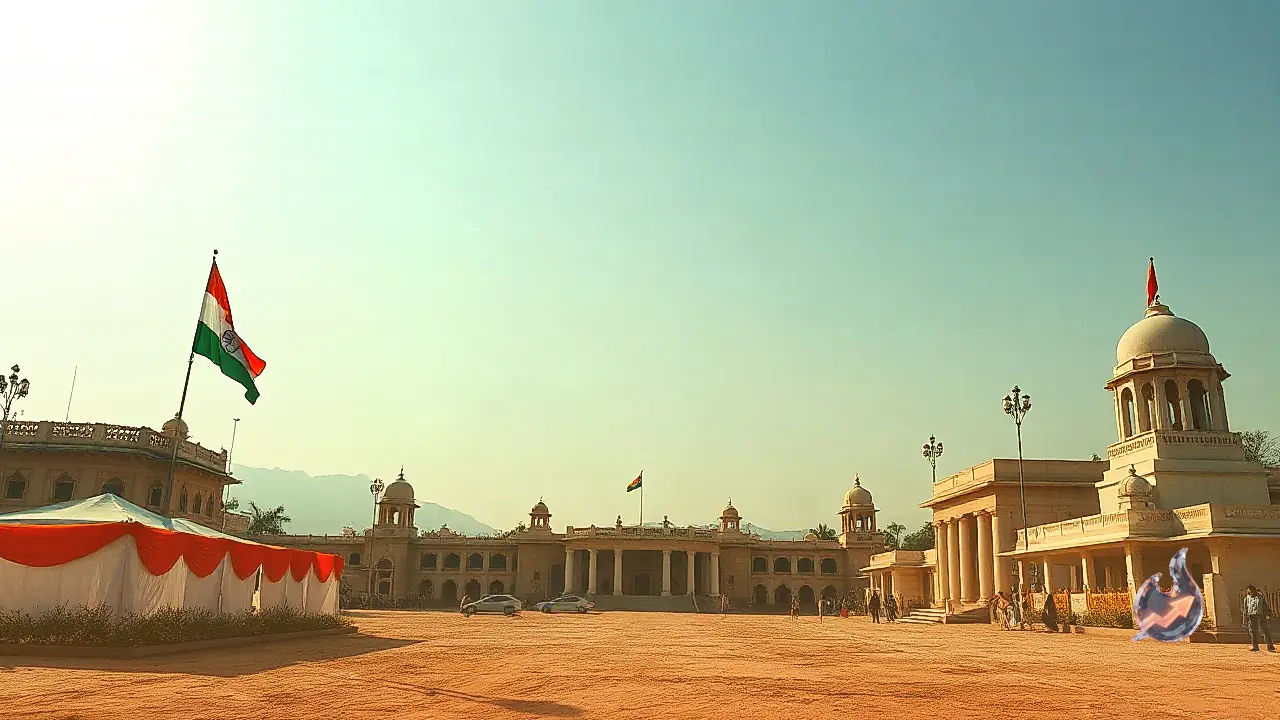




















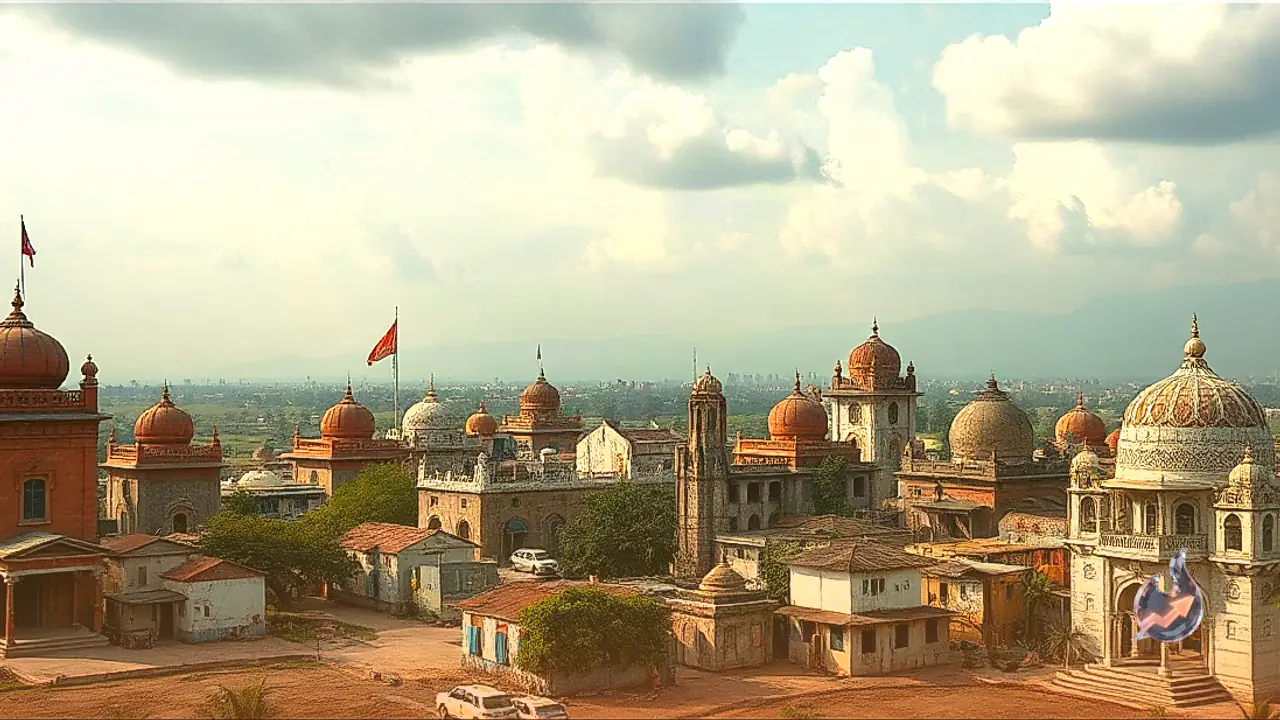

Rivers have served as the fertile cradles of human civilisation across millennia, and the gentle waters of the Arpa have similarly nurtured one of central India's most fascinating urban journeys. Today, Bilaspur commands immediate recognition as the judicial heart of Chhattisgarh, hosting the High Court, the operational nerve center of the railway zone, the administrative machinery of sprawling coalfields, and thriving commercial hubs. Yet, the foundational roots of this dynamic city lie along the riverbanks, where waters descending from the Khondri hills broaden into a welcoming valley. Local lore universally traces the settlement's origin and identity to Bilasa, a legendary fisherwoman whose memory became synonymous with the locality. Over several centuries, what began as a tiny cluster of mud dwellings evolved through successive political epochs into an expansive metropolis, bridging historic heritage with administrative prominence.
Ratanpur's Royal Orbit, The Bhonsle Epoch and The Kilaward Fort
To grasp the early historical evolution of Bilaspur, one must look toward the historic seat of Ratanpur located nearby. Under the celebrated Kalachuri rulers, Ratanpur functioned as the supreme regional capital, exerting substantial administrative, economic, and strategic influence over the surrounding plains. Following the decline of Kalachuri supremacy, the territory came under the dominion of the Maratha rulers and the Bhonsle dynasty of Nagpur. During this phase of Maratha governance, an ambitious initiative was undertaken to erect a fortified citadel in the area of Juna Bilaspur currently designated as Kilaward. Although historical circumstances prevented the completion of this fortress, the neighborhood preserves that martial vision in its lasting title. The era also gave rise to celebrated folklore immortalising the valorous deeds of Kalyan Sahay and his fearless military commander, Gopal Rai. Senior folklorist and litterateur Dr Somnath Yadav has noted that the evolution of this urban landscape is not merely an account of geographical sprawl, but a vivid confluence of distinct communities, livelihoods, cultural practices, and shared traditions.
The Sacred Rhythms of Pacharighat and The Origins of Juna Bilaspur
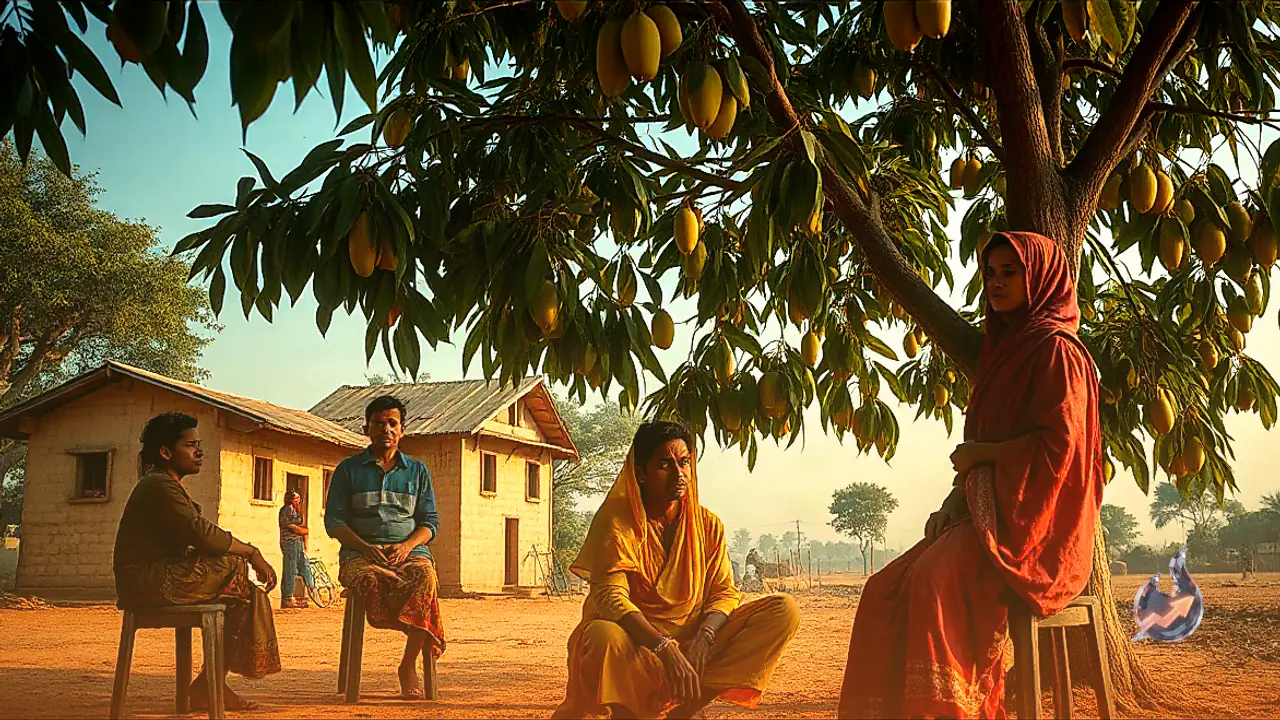
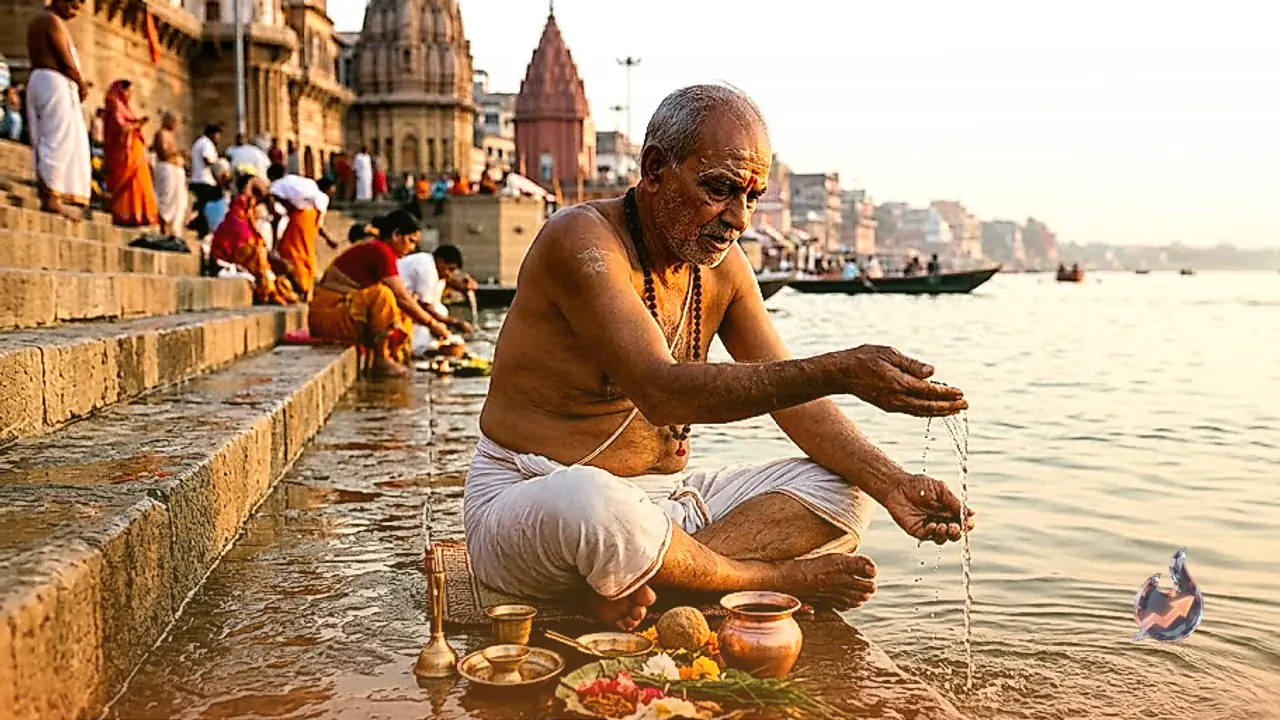
As the Arpa River flows downward from the rugged terrains of Khondri, its basin expands comfortably across the Bilaspur region, creating natural riverfronts ideal for sustained habitation. Settlers established homes along both banks of this dependable freshwater source, giving birth to the township's oldest residential zone. In the local Chhattisgarhi dialect, the term 'Juna' translates to ancient or old, giving this historic nucleus its enduring designation of Juna Bilaspur. During earlier centuries, Pacharighat on the Arpa formed the literal heartbeat of civic, spiritual, and communal life. The river steps hosted major religious ceremonies, from the sacred immersion of Bhojali during local agrarian festivals to the grand farewells of Lord Ganesha and Goddess Durga idols. Distinct riverbanks and ghats were systematically allocated for specific community customs, domestic routines, and ritual gatherings, making the watercourse an inseparable part of every resident's existence.
Occupational Quarters That Framed The Early Urban Economy
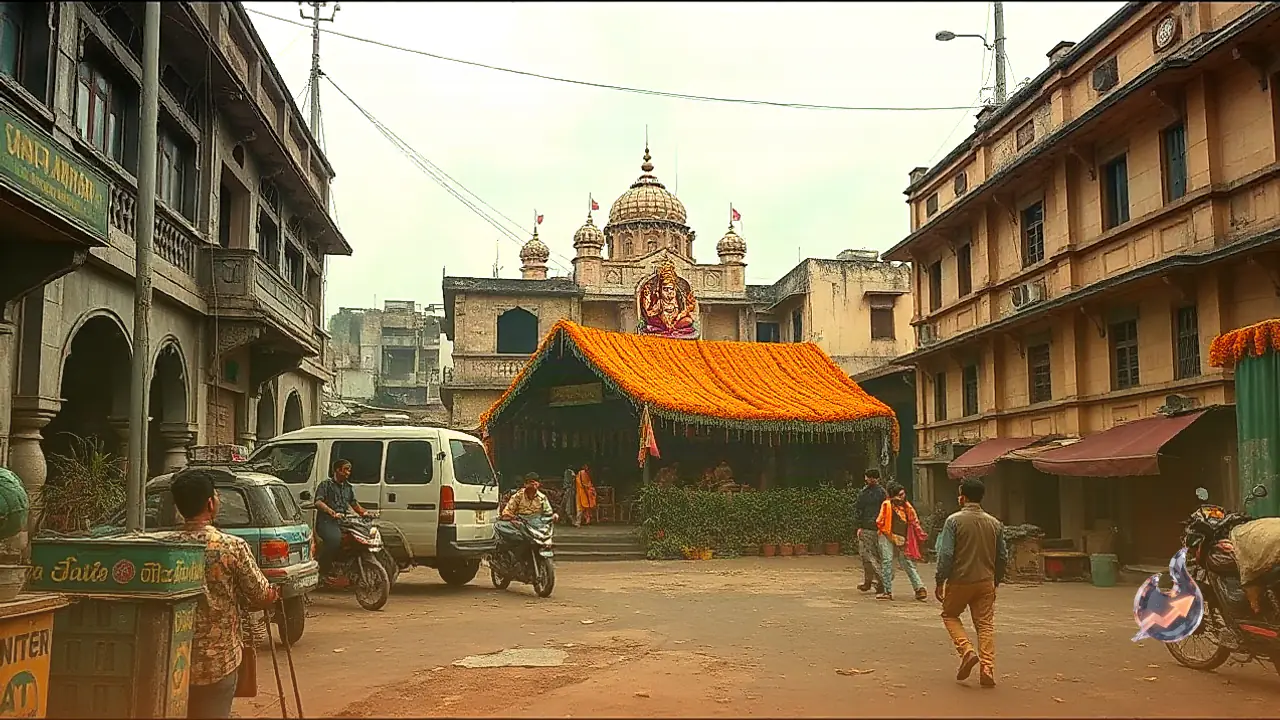
The distinctive neighborhoods of traditional Bilaspur still chronicle the historical socioeconomic landscape through their inherited names. Rather than reflecting arbitrary zoning, these paras represented productive hubs of specialized artisan trades and manual crafts. Kostapara emerged as the flourishing quarter of skilled textile weavers operating handlooms, while Kumbharpara became known for the artisans who shaped clay pottery and domestic vessels upon their wheels. Telipara housed oil pressers who operated traditional mechanical presses, and Kachhipara was home to industrious farmers cultivating fresh vegetable produce along the riverbeds. Similarly, Kewatpara housed boatmen and fisherfolk, Naupara accommodated traditional barbers, Gondpara sheltered tribal lineages, and Bengalipara welcomed migrants from eastern regions. Other vital historical quarters including Katiyapara, Brahmanpara, Lodhipara, Ghasiyapara, Dabripara, Magarpara, Imlipara, Talapara, Iranipara, and Tikrapara each developed individual community identities. Over time, peripheral hamlets such as Torwa, Sarkanda, Chatidih, Dayalband, Masanganj, Khaparganj, Juniline, Kududand, and Jarhabhatha integrated seamlessly into the expanding township.
From The Kilaward Weekly Hatari to The 1889 Railway Milestone
The commercial foundations of Bilaspur trace back to the rudimentary Hatari market that originally assembled near Kilaward. Initially convened once a week as an exchange depot for agricultural surplus, the burgeoning demand gradually transformed it into a bustling daily bazaar. Stalls carrying woven fabrics, daily provisions, groceries, spices, and artisanal gold and silver jewelry progressively lined the avenues. However, the definitive turning point in the city's modern administrative evolution arrived under the British administration during the closing decades of the 19th century. In 1889, the foundational railway station was opened, fundamentally redrawing the local landscape. The advent of the railway brought a fully planned railway colony, designated staff residences, recreational sports fields, European clubs, and the dedicated Budhwari market for household commodities. The railway network drew a skilled workforce, administrative clerks, and technical officers from Bihar, Uttar Pradesh, Southern India, and beyond, many of whom opted to settle permanently after retirement. This demographic and commercial boost catalyzed major mercantile zones, including Gol Bazaar, Sadar Bazaar, Telipara, and the modern commercial hub of Vyapar Vihar.
The SECL Expansion and The Making of a Cosmopolitan Mini India
During the latter half of the twentieth century, Bilaspur's physical footprint widened dramatically, absorbing surrounding rural settlements into its municipal limits. Peripheral localities like Uslapur, Sakri, Rajkishore Nagar, Torwa, Sarkanda, and Chatidih transformed into dense residential colonies. This metropolitan expansion accelerated significantly with the establishment of major public sector enterprises, most notably South Eastern Coalfields Limited (SECL), alongside the zonal headquarters of South East Central Railway. Families from Maharashtra, Rajasthan, Haryana, Odisha, Bihar, Uttar Pradesh, and the southern states arrived in pursuit of lucrative technical employment, enterprise, and higher education. As a direct result, modern Bilaspur functions as a vibrant 'Mini India', seamlessly accommodating multiple linguistic traditions and community festivities. The spirited native traditions of the Raut Nacha dance and Bhojali celebrations flourish alongside grand observations of Ganesh Utsav, Deepawali festivities, traditional wrestling bouts on Nag Panchami, and passionate local tournaments in hockey, football, and kabaddi.
A Legacy of Literary Icons and Olympic Glories
Beyond its reputation for governance and commerce, Bilaspur has contributed exceptional luminaries to India's cultural and sporting panorama. The legendary theatre pioneer Pt Satyadev Dubey, acclaimed dramatist Dr Shankar Shesh, and celebrated modern Hindi poet Shrikant Verma drew profound artistic inspiration from this fertile soil. In the realm of international athletics, the city boasts an unmatched sporting icon in hockey legend Leslie Claudius. A titan of Indian sports, Claudius earned three consecutive Olympic gold medals representing the national team at the 1948 London, 1952 Helsinki, and 1956 Melbourne Games. He subsequently captained the Indian hockey contingent to a historic silver medal at the 1960 Rome Olympics. In recognition of his legendary achievements on the turf, the Government of India conferred upon him the Padma Shri in 1971. Having evolved from a humble fishing hamlet along the Arpa into a bustling judicial metropolis and administrative powerhouse, Bilaspur moves confidently into the future, even as the quiet cobblestones of Juna Bilaspur continue to echo the city's founding memories.