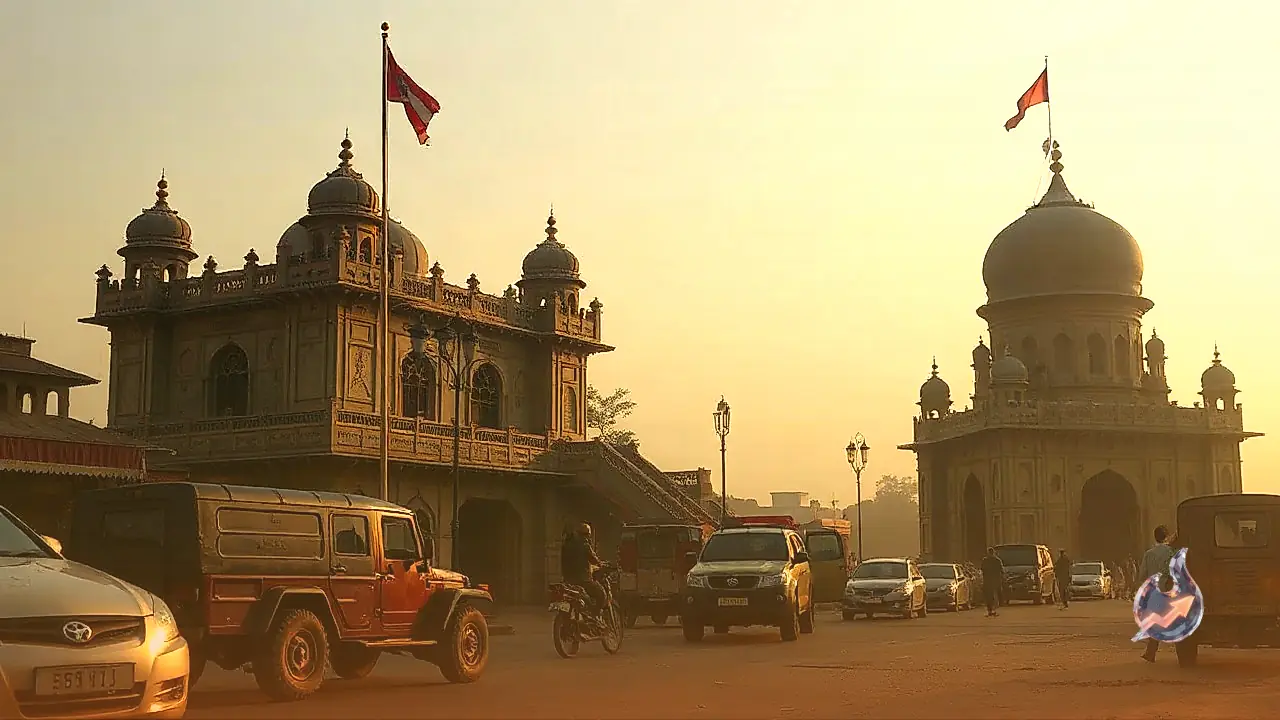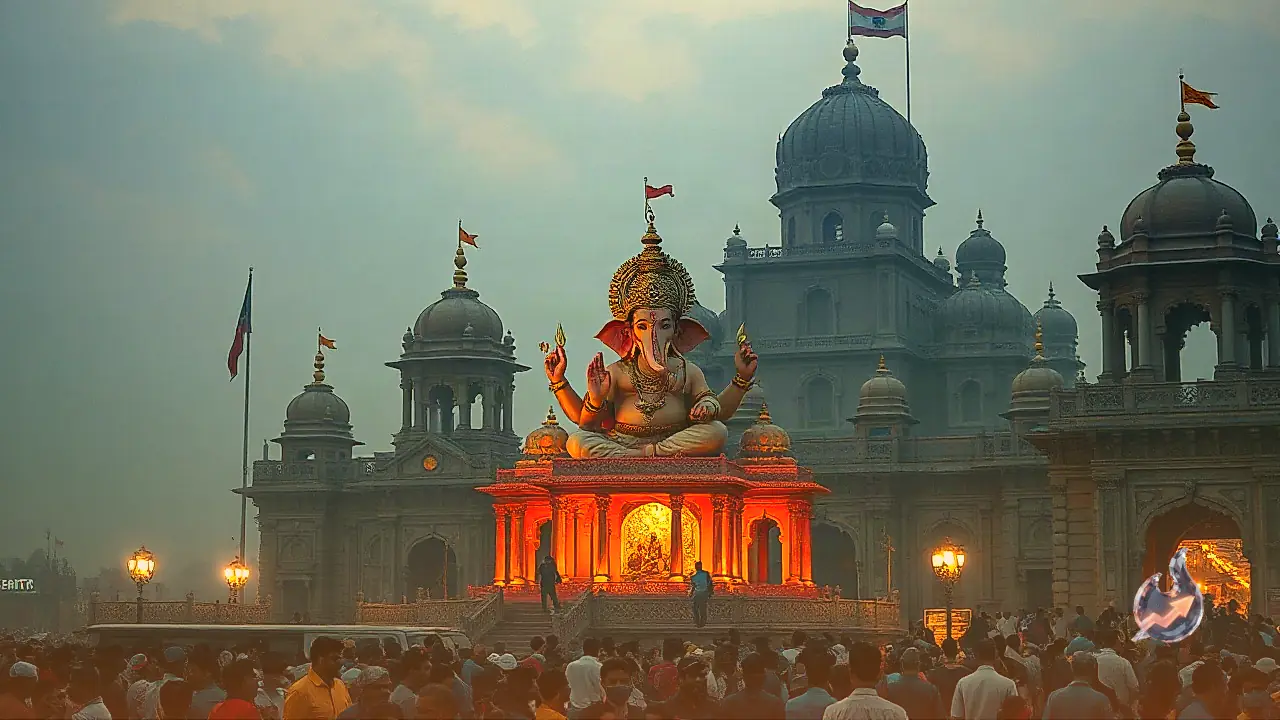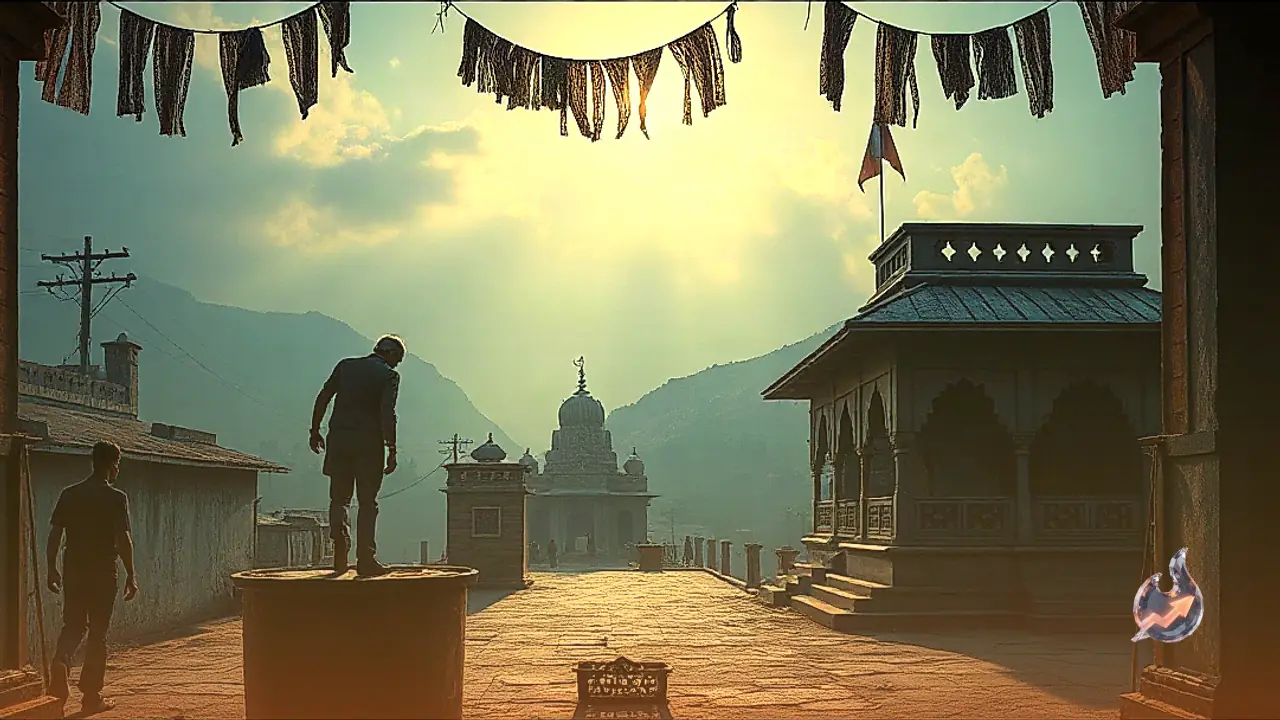





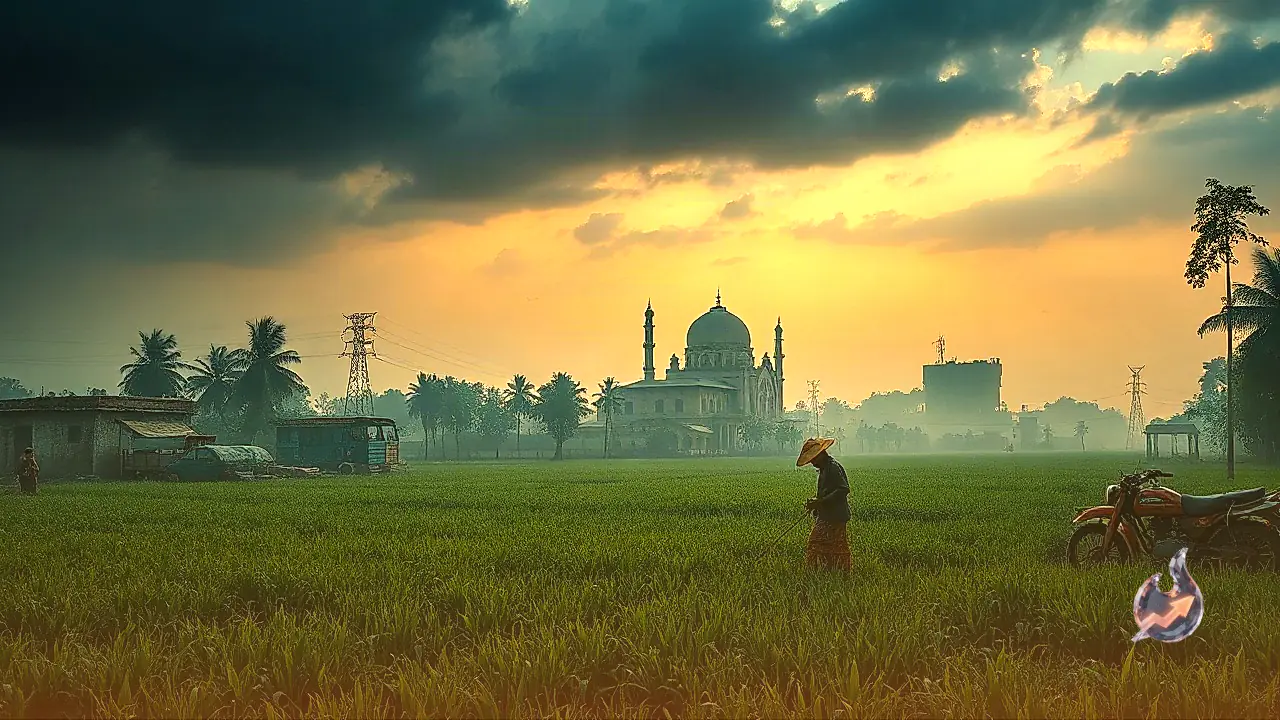
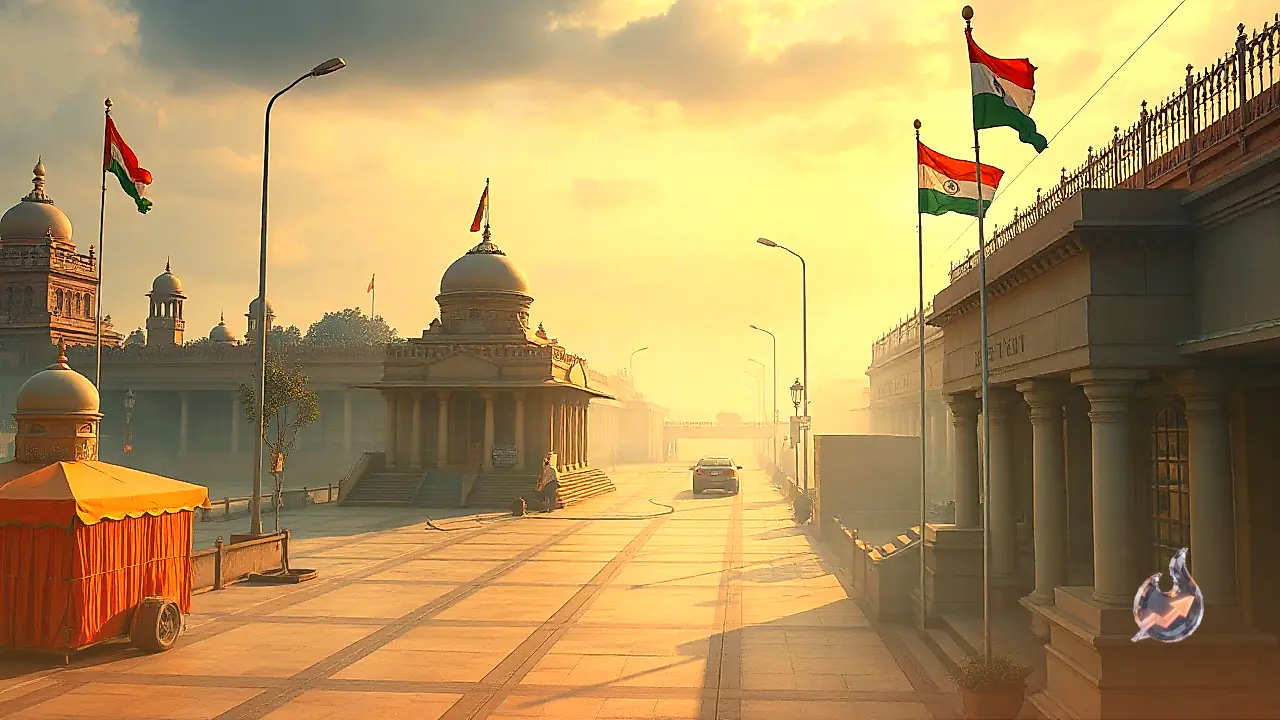














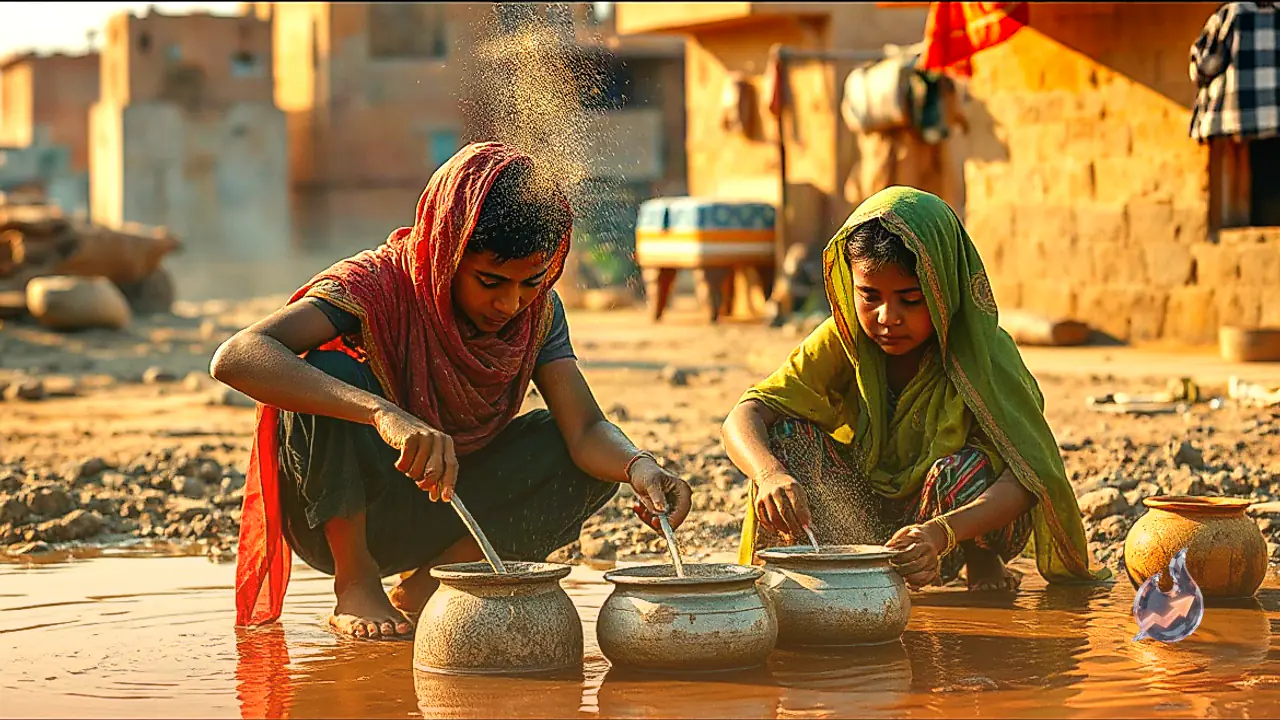

Across the vibrant folk culture of Jalor and various surrounding regions in Rajasthan, numerous unique traditions exist to preserve the sacred bond between brothers and sisters. Among these, the distinct ritual known as Samundar Hilorna stands out, deeply connected to sibling affection, mutual wishes for well-being, and profound reverence for water. During this practice, a village pond or nadi is treated as a symbol of the ocean, where brothers and sisters come together to perform special ceremonial duties. The timing of this custom varies across different areas, with some regions beginning the observance during Hariyali Teej in the month of Sawant, while others celebrate it with great enthusiasm during Krishna Janmashtami, Bachbaras, and the Bhadrapad fortnight.
Folk songs and festive atmosphere among women
According to traditional customs, a brother accompanies his sister to the banks of the water body to carry out the ritual. During this journey, local women adorn themselves in traditional attire and gather in groups, walking toward the water source while singing auspicious songs to the beats of traditional drums. These folk songs beautifully capture the affection between siblings, the pleasant weather of the monsoon season, and prayers for family prosperity. The entire procession to the pond is steeped in the rich colors of folk culture, creating a lively festive environment across the village.
The core process of stirring the pot in the pond
Upon reaching the water source, the main ritual of Samundar Hilorna commences. Both the brother and sister immerse an earthen pot into the water and stir it together, a practice locally referred to as Samundar Hilorna or Samundar Hilana. In arid regions far away from any actual ocean, treating village ponds as symbols of the sea reflects a deep-rooted cultural reverence and spiritual connection to water. By personifying the local water source as an ocean, the participants express deep gratitude and respect for water through this symbolic act.
Exchange of affection and strengthening new bonds
Once the earthen pot is filled with water, the brother feeds water to his sister with his own hands, after which the sister prays for her brother's longevity, happiness, and prosperity. In return, the brother presents a chunari to his sister and blesses her for a happy life. Throughout this procedure, the deep emotional attachment and warmth between siblings become abundantly clear. A local resident, Bhanwarlal, shared that an important aspect of this tradition is that it is also performed with newly married brides who have arrived at their marital homes. The bride's brother travels to her marital home to complete this ritual, reflecting the continuous connection of maternal affection into the bride's new life.