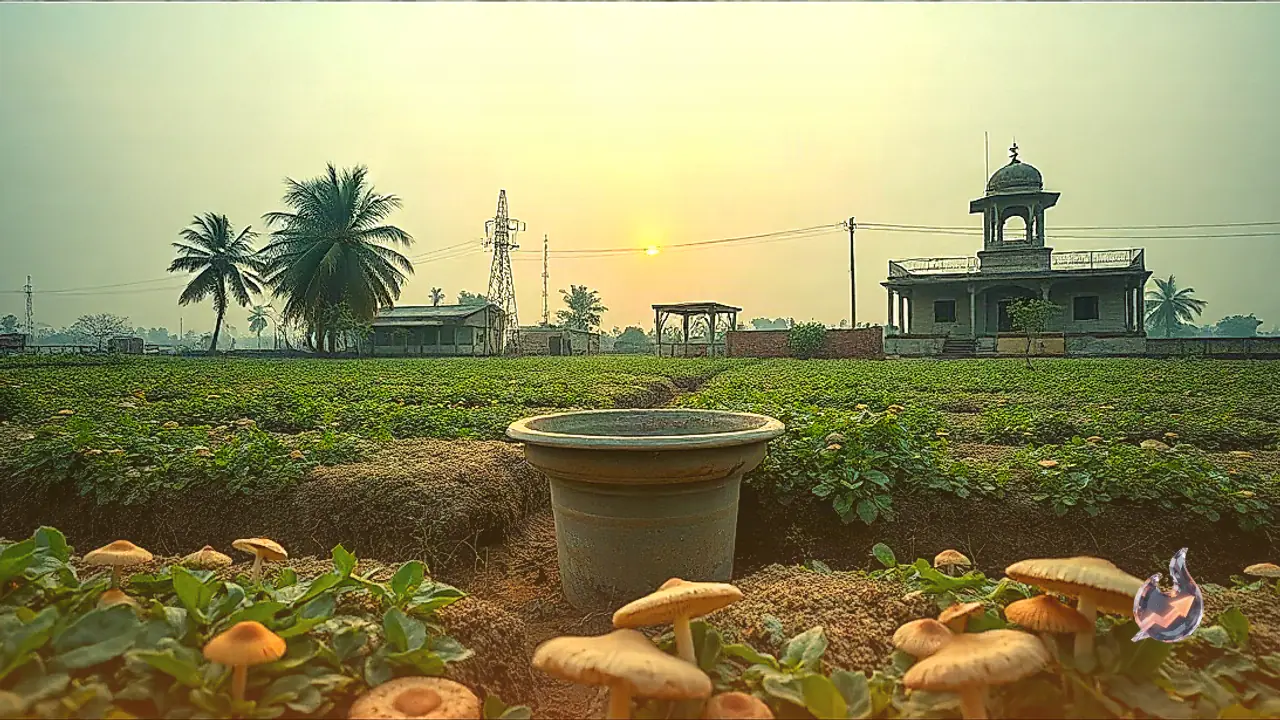
























In the tribal-dominated regions of Chhattisgarh's Surguja district, the surrounding forests serve as much more than just a means of livelihood. They form an integral part of the local culinary heritage and traditional lifestyle. Rural residents regularly forage for Saru Sukti, a wild vegetable that grows naturally deep within the woodlands, bringing it back to their homes to dry and preserve for future use. When cooked into a curry, Saru Sukti develops a rich flavor that is further elevated when combined with tomatoes and rice pasiya, making it a beloved dish among villagers. This generational recipe has been passed down through families for decades, and residents across the surrounding neighborhoods easily recognize and value the ingredient.
The Traditional Process of Foraging and Drying
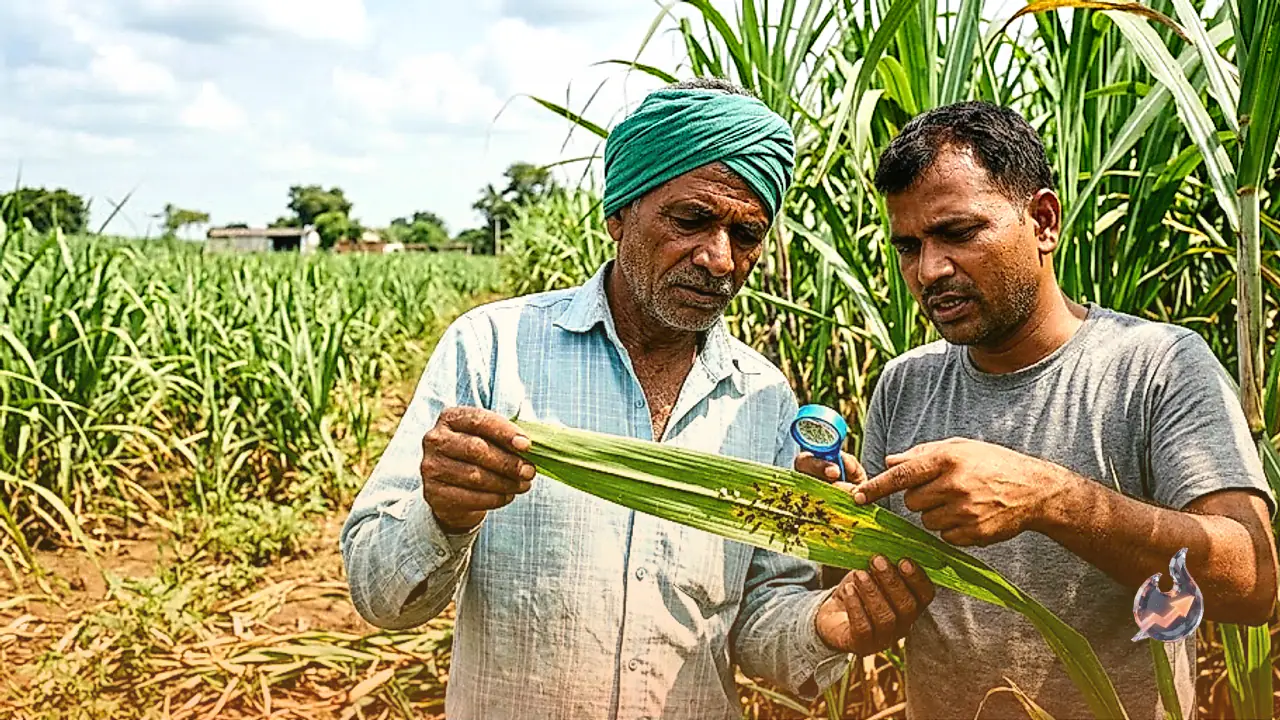
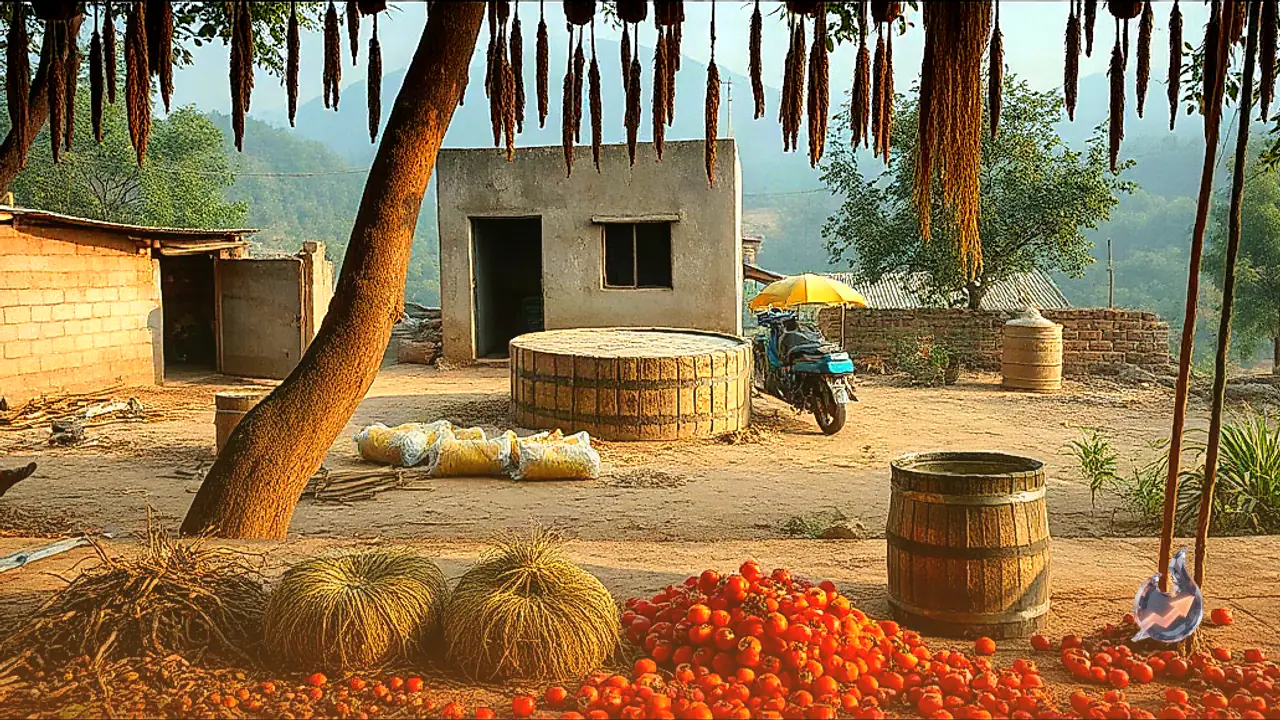
Ramnath Kindo, a resident of Askara, explained that Saru grows naturally across the forest landscape. Villagers venture into the woods to locate and gather the vegetation, bringing it back to dry thoroughly under the sun. Once the harvest is completely dried, it is ground down into a powder form known as guda and stored securely so it can be utilized whenever needed. According to Kindo, Saru Sukti is by no means a modern invention. The villagers have consumed it since the days of their ancestors, and nearby communities remain well-acquainted with it, preparing and consuming it according to their personal preferences across different seasons.
Enhancing Flavor with Tomatoes and Pasiya
The preparation of Saru Sukti typically involves cooking the preserved vegetable in oil alongside garlic, chilies, and fresh tomatoes. In instances where fresh tomatoes are not readily available, villagers substitute them with rice pasiya. Residents note that adding pasiya not only provides a desirable thickness to the curry but also significantly enhances its overall taste. A local village woman named Sukhmani detailed that the Saru greens are first sautéed in oil with garlic and chili before tomatoes are introduced. A small amount of water and the necessary quantity of pasiya are then added to complete the cooking process. Even during the scorching summer months, households can easily whip up a nutritious meal using the Saru Sukti they had previously dried and stored.
Curiosity Among Outsiders Visiting Surguja
According to the locals, whenever visitors from other cities and outside regions travel to the villages of Surguja, they invariably ask about Saru Sukti. The villagers eagerly explain the origins and preparation of the dish to these guests. Many visitors who get the opportunity to taste the delicacy end up appreciating its unique flavors. To this day, this wild forest-derived vegetable remains a cornerstone of the rural dining plate, preserving a culinary tradition that bridges past generations with the present.