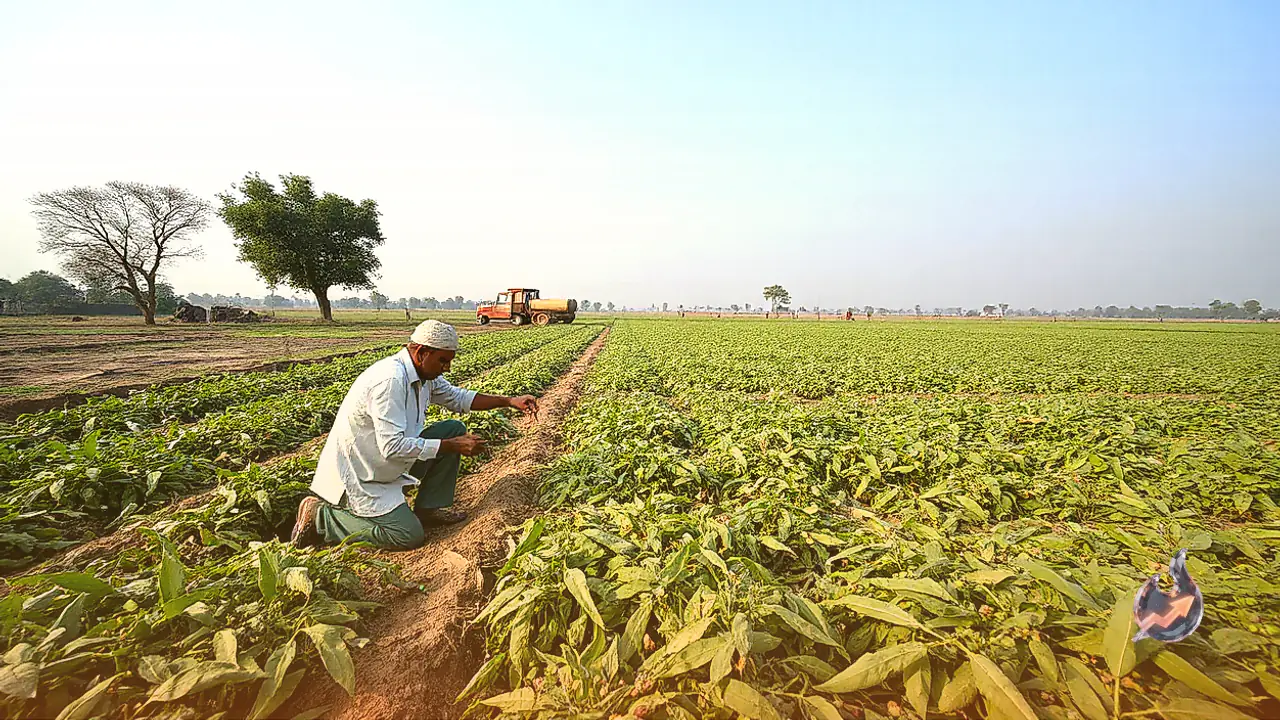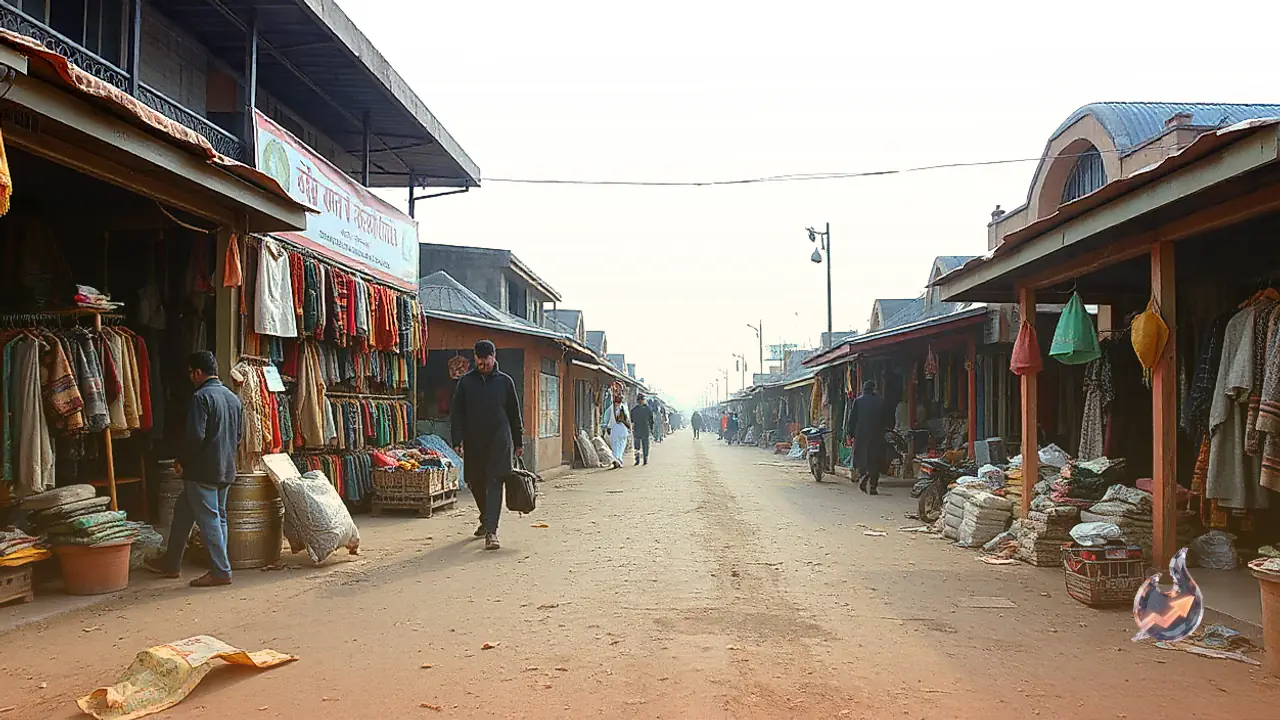







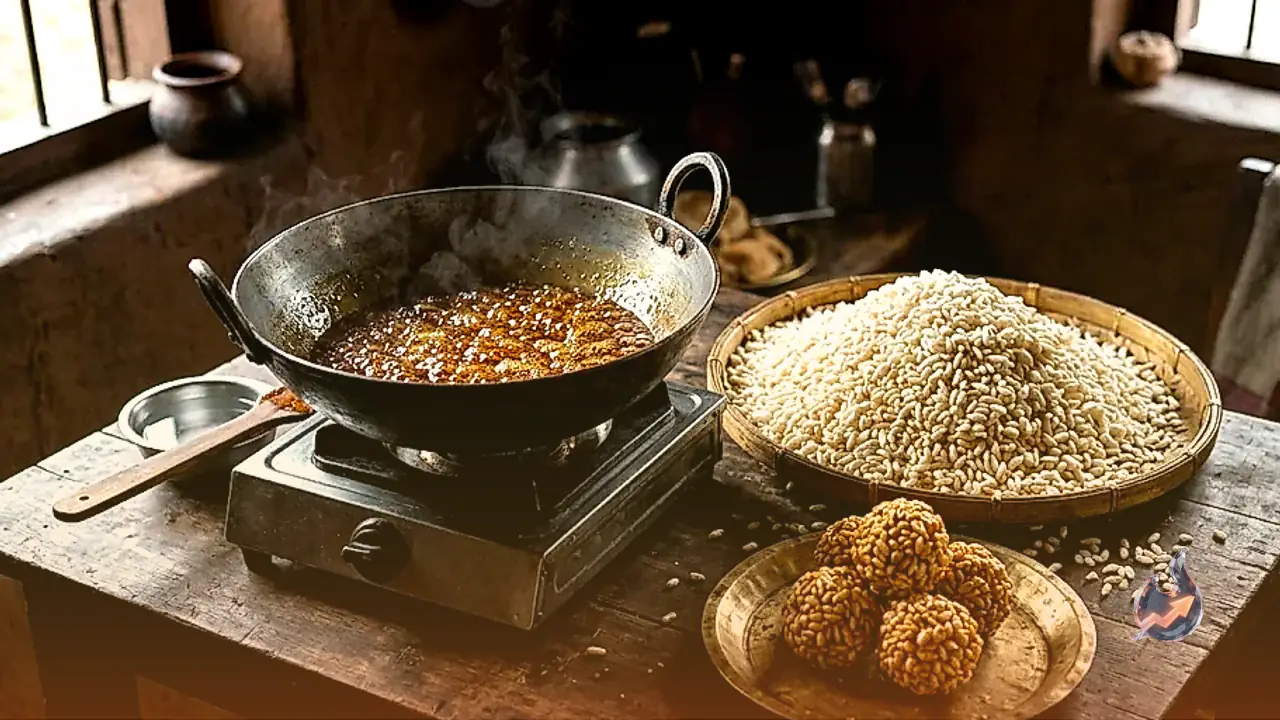
















The arrival of winter in Chhattisgarh brings a distinct shift in local culinary traditions, filling markets in Bilaspur with the fresh aroma of seasonal greens. At the heart of this seasonal shift is Tibra Bhaji, a much-anticipated leafy vegetable that locals wait for all year round. The vegetable has now made its way to local vendors, drawing heavy crowds of eager shoppers looking to secure a fresh batch. Currently trading at 200 rupees per kilogram or 50 rupees per pav, this greens variety is widely appreciated for its unique taste and nutritional value. The ingredient holds deep cultural significance across both rural and urban households in the state, where families either prepare it using traditional cooking methods or preserve it by sun-drying so they can enjoy its flavor throughout the year.
Sourcing Fresh Produce from Takhatpur Fields
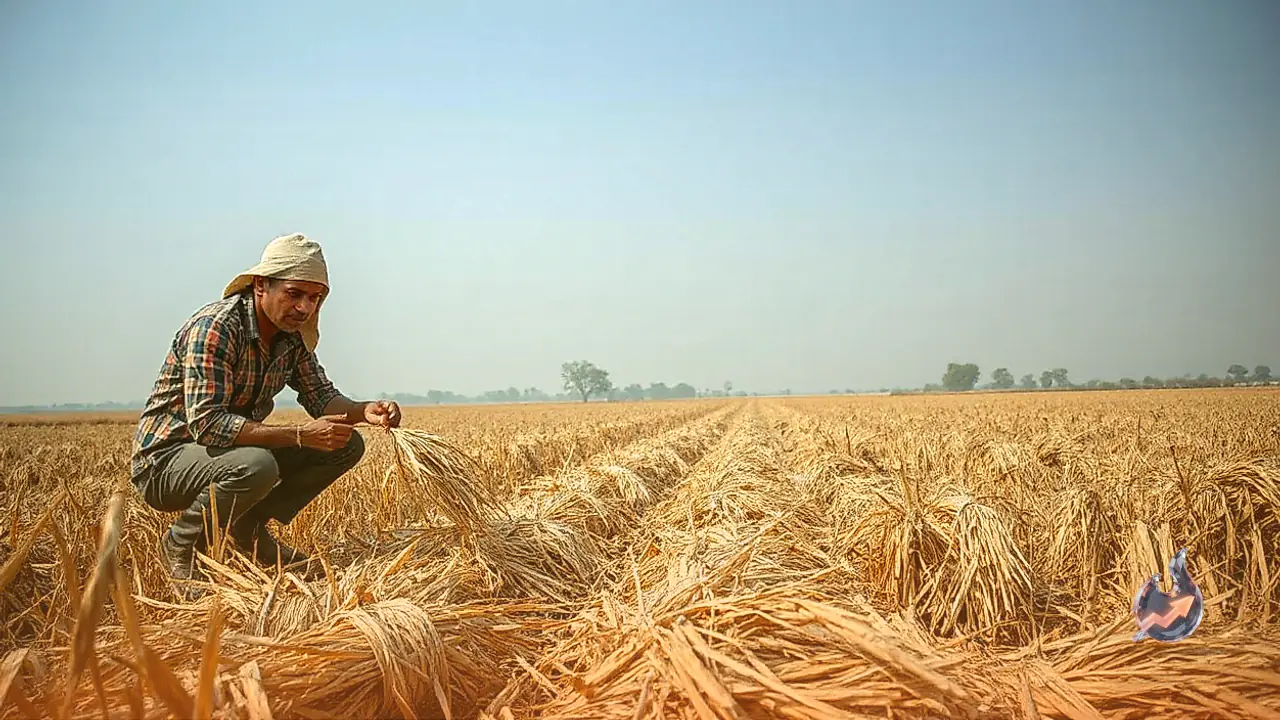
The fresh batches of Tibra Bhaji arriving in Bilaspur markets are primarily cultivated in the agricultural fields of Takhatpur. Available exclusively during the cold months, these greens began appearing on vendor stalls roughly fifteen days ago. Rahul Tandon, a local vegetable vendor operating in the market, noted that consumer interest remains exceptionally high as people line up daily to make their purchases. The scale of distribution is substantial, with Tandon bringing in about 20 to 30 kilograms of the vegetable every single day to meet consumer demand. On days when foot traffic peaks, that daily supply volume climbs as high as 50 kilograms to satisfy the relentless rush.
A Seasonal Boost for Small-Scale Traders
Beyond satisfying local culinary preferences, the winter vegetable season serves as a steady income generator for grassroots vendors and small business owners in the region. According to vendor Rahul Tandon, selling an average of 30 kilograms of the produce each day yields a daily earning of roughly 700 rupees. This seasonal trade transforms the winter staple into an economic lifeline for small traders while simultaneously delighting households with authentic regional flavors. As winter temperatures continue to drop across the region, market observers anticipate that both consumer demand and overall retail sales for these traditional greens will climb even higher.