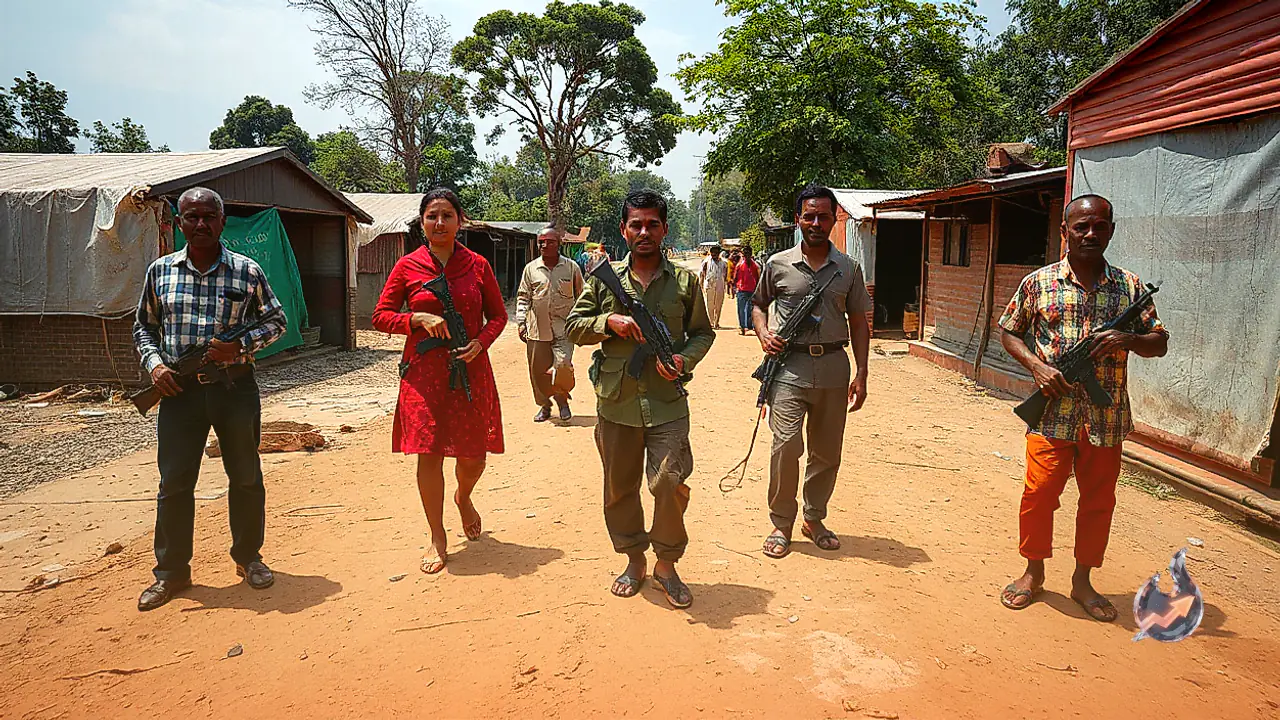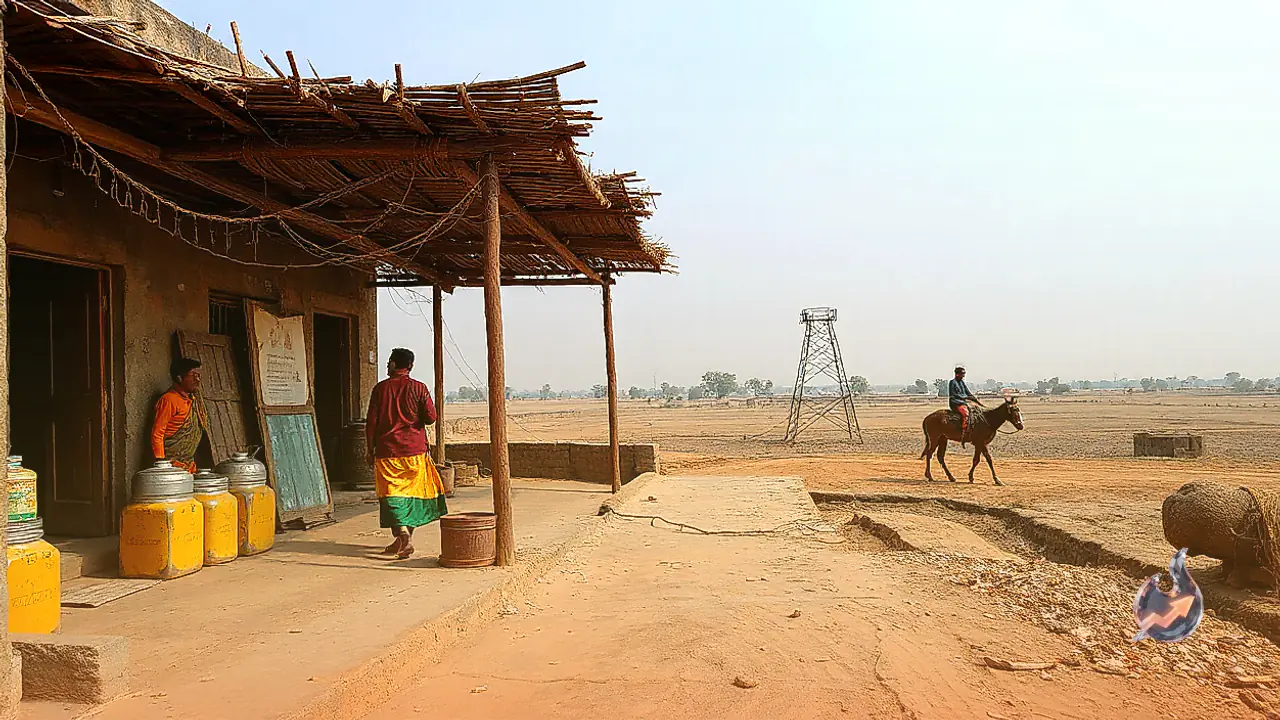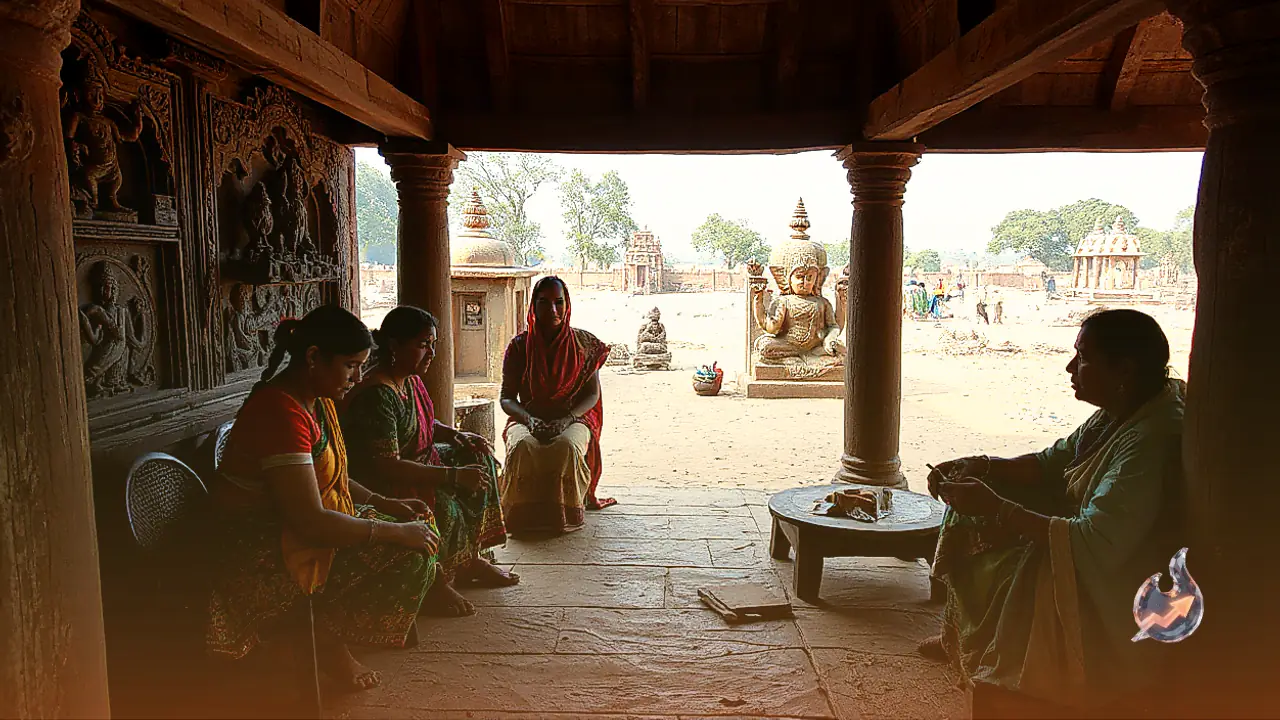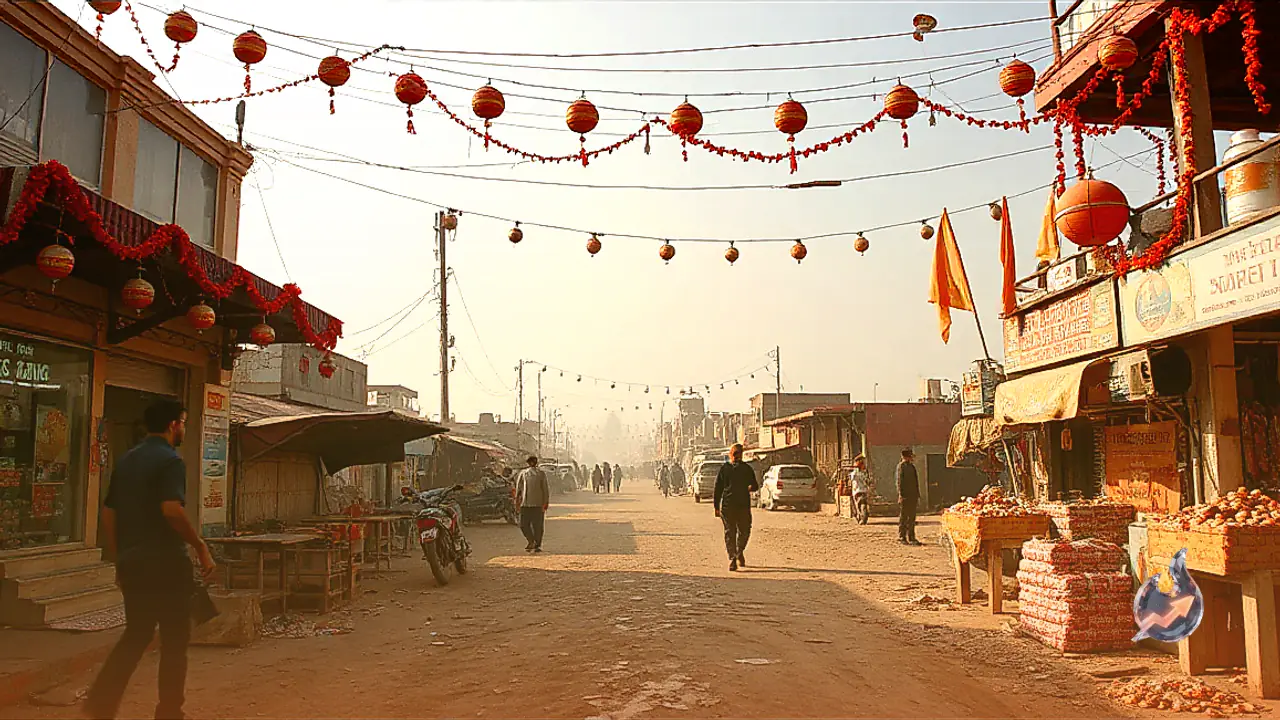

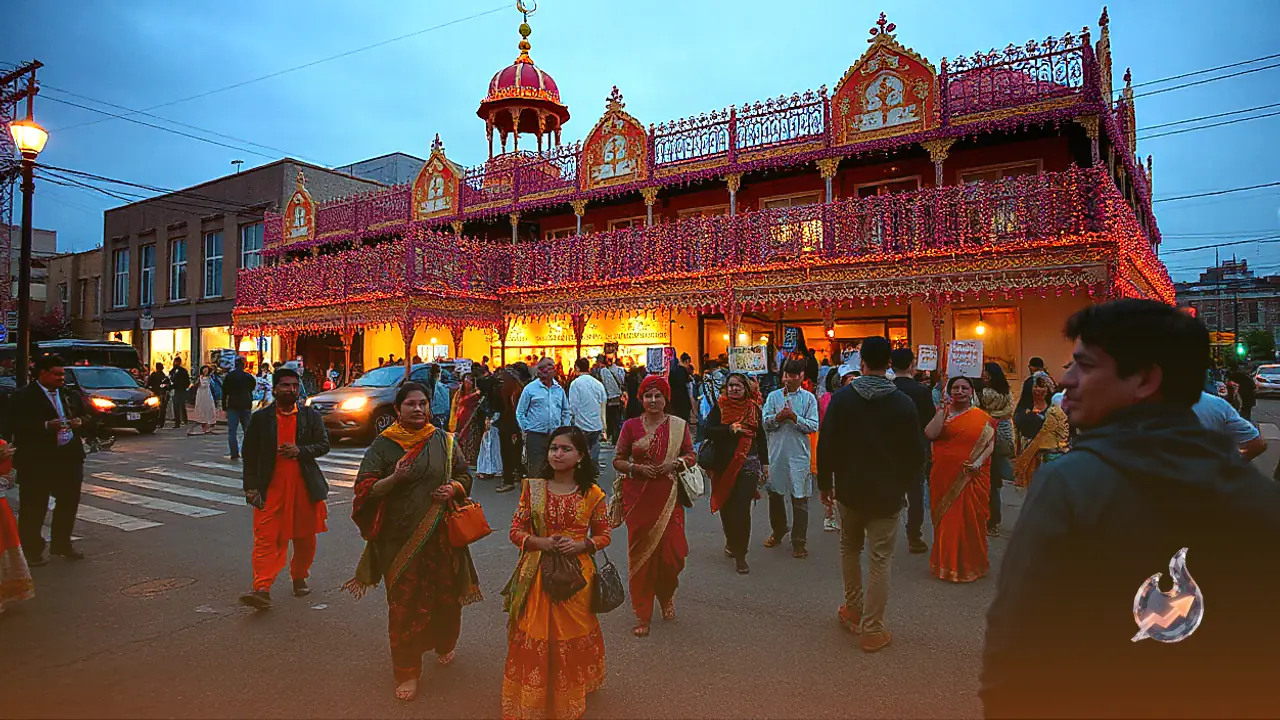
















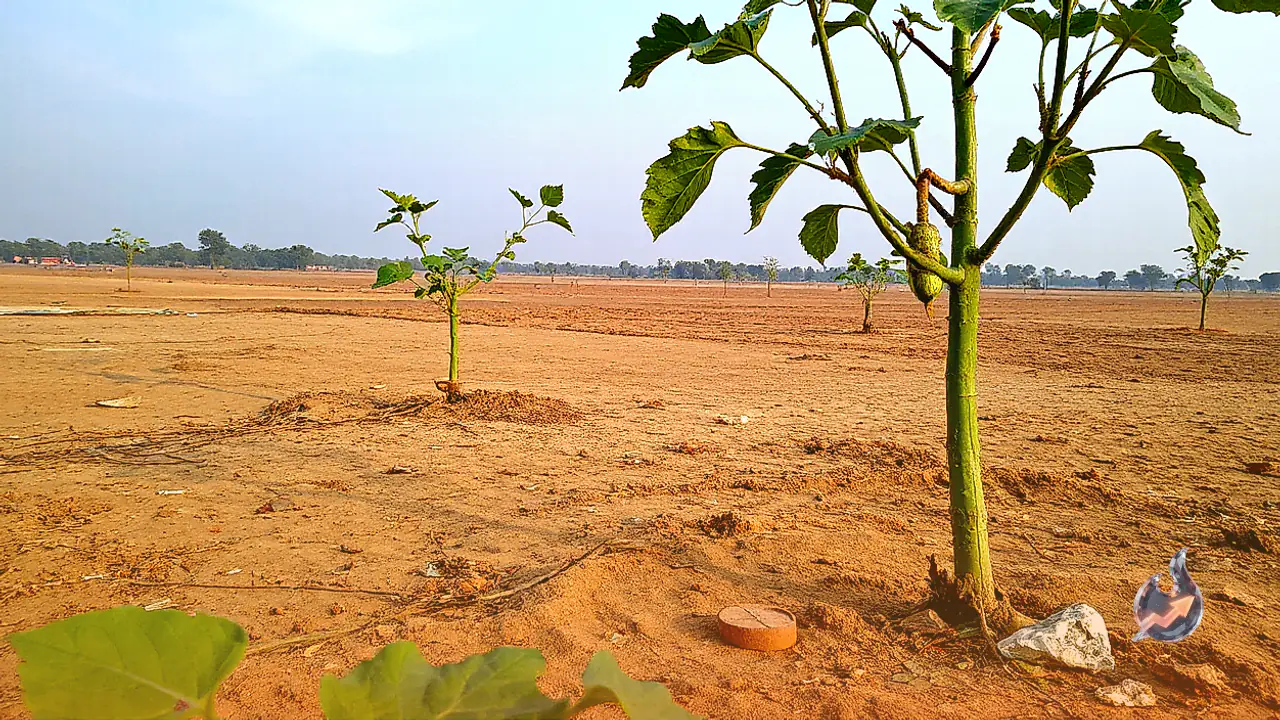

In the rural expanses of Surguja district in Chhattisgarh, Diwali celebrations extend beyond illuminating oil lamps and sharing festive sweets. Local communities continue to practice a deeply rooted tradition during the dark night of Diwali Amavasya, where branches of the Ramandi plant alongside cucumbers are strategically placed on rooftops, house walls, worship areas, and livestock shelters. According to regional beliefs, the dark moon night witnesses a heightened presence of negative energies and harmful omens. Affixing the Ramandi plant and cucumber acts as a spiritual barrier, ensuring that households, domestic animals, and valuable assets remain protected throughout the night.
Belief in Warding Off Evil Spirits and Negative Energies
The ritual of placing the Ramandi plant holds immense cultural significance across Surguja during the opening night of Diwali. Local resident Nansay Nag explains that the primary objective of this custom is to safeguard the family and household possessions from evil eyes and malicious spirits. Traditional wisdom holds that unseen negative forces tend to wander more freely on Amavasya night. To counter these bad omens, villagers pair the Ramandi plant with a cucumber, forming a traditional protective shield around their living spaces and belongings.
Where the Ramandi Plant is Placed Across Properties and Livestock Sheds
A striking aspect of this local practice is its thorough coverage across all household property. The Ramandi plant is not restricted to the front porch or central courtyard; instead, it is placed wherever vital family assets reside. Residents install the plant on rooftops, prayer spaces, parked vehicles, cattle sheds where cows and oxen are kept, as well as near water sources such as handpumps and borewells. Because livestock and water supply are central to rural livelihoods, securing these spots against bad omens is considered essential by the villagers.
Ancestral Worship, Cucumber Offerings, and New Harvest Rice Customs
After completing evening baths and lighting traditional clay lamps, family members gather to offer prayers to their ancestral deities and family spirits. Prayers are made seeking long-term prosperity, peace, and good health for the household. Once the rituals conclude, the cucumber used during the ceremony is sliced and distributed among all family members as sacred prasad before retiring for the night. The following morning brings another key tradition: preparing prasad using freshly harvested new rice. Household members consume this fresh rice offering and also feed it to their cattle, integrating livestock into the sacred harvest cycle.
Cultural Union Through Sohrai, Karma, and Mandar Rhythms
In the tribal cultural matrix of Surguja, Diwali night is also closely linked with the traditions of Sohrai and Karma festivals. Villages celebrate by planting the ritual Karma branch and performing traditional folk dances to the resonant beat of the Mandar drum. Musical troupes traveling from neighboring hamlets perform night-long folk pieces that bring communities together. Even as modern band instruments occasionally find a place in contemporary celebrations, village elders ensure that traditional customs retain their authentic charm, honoring ancestors, respecting cattle, and keeping indigenous heritage vibrant.