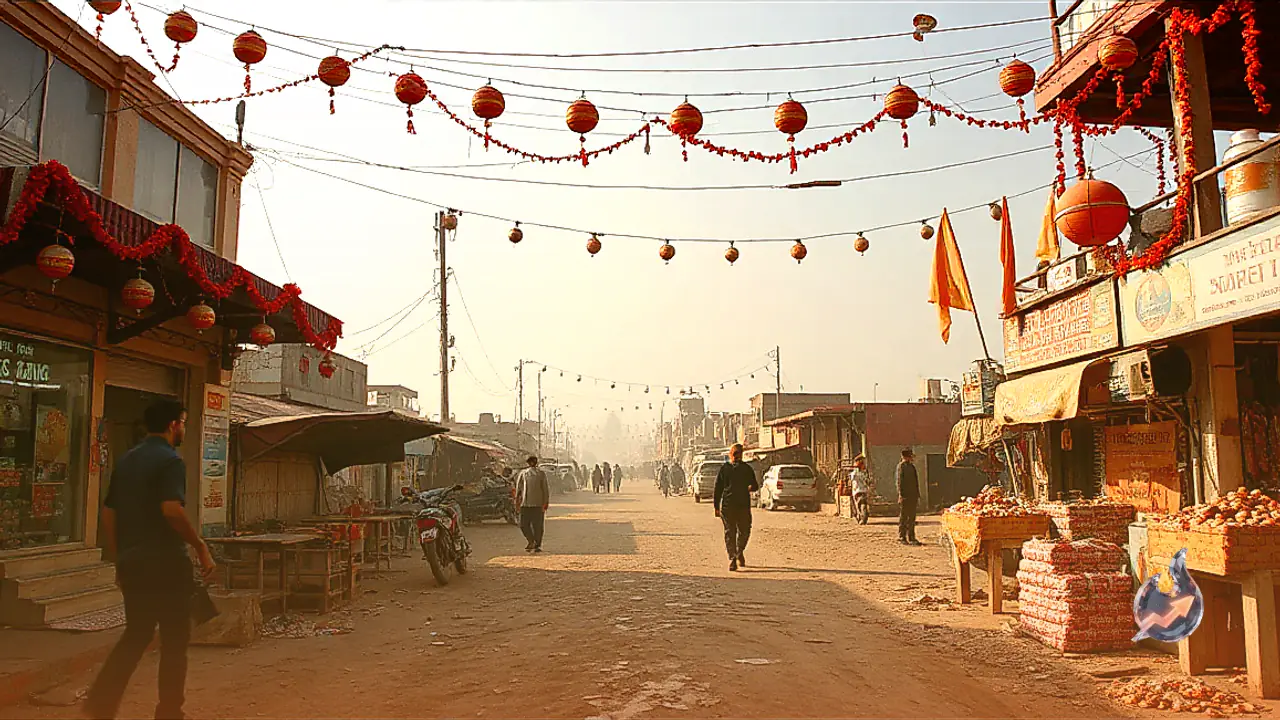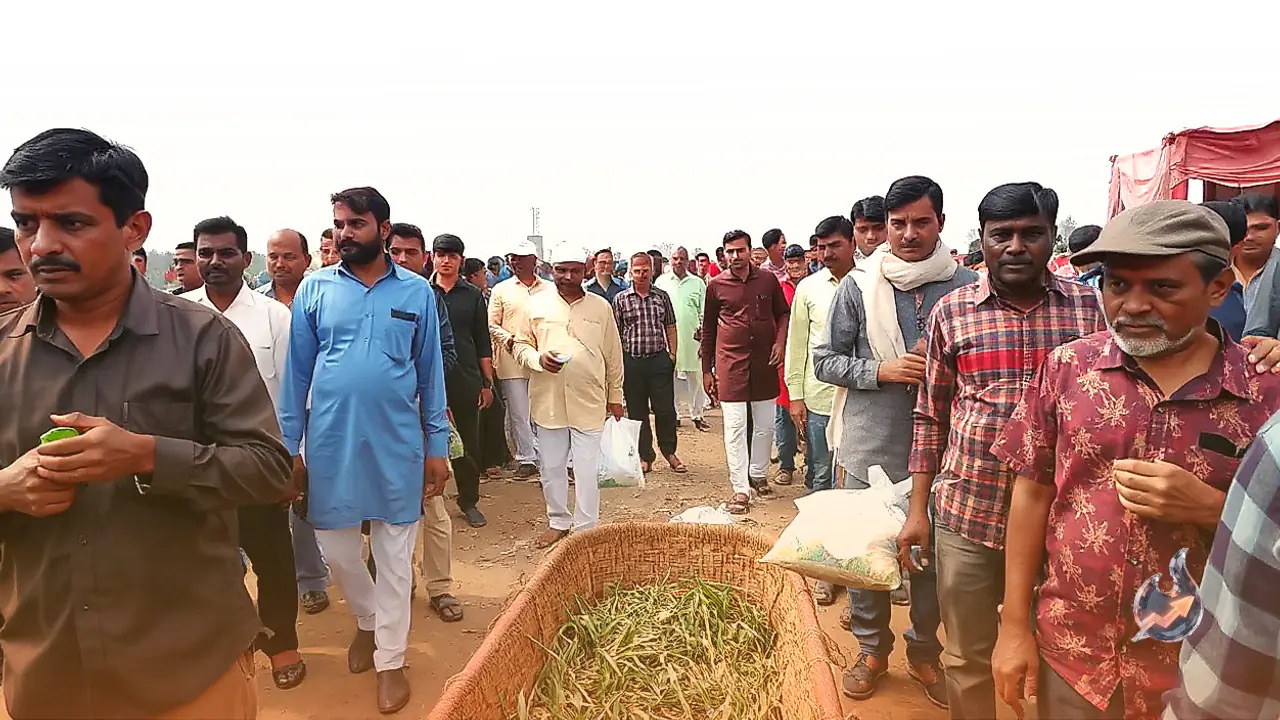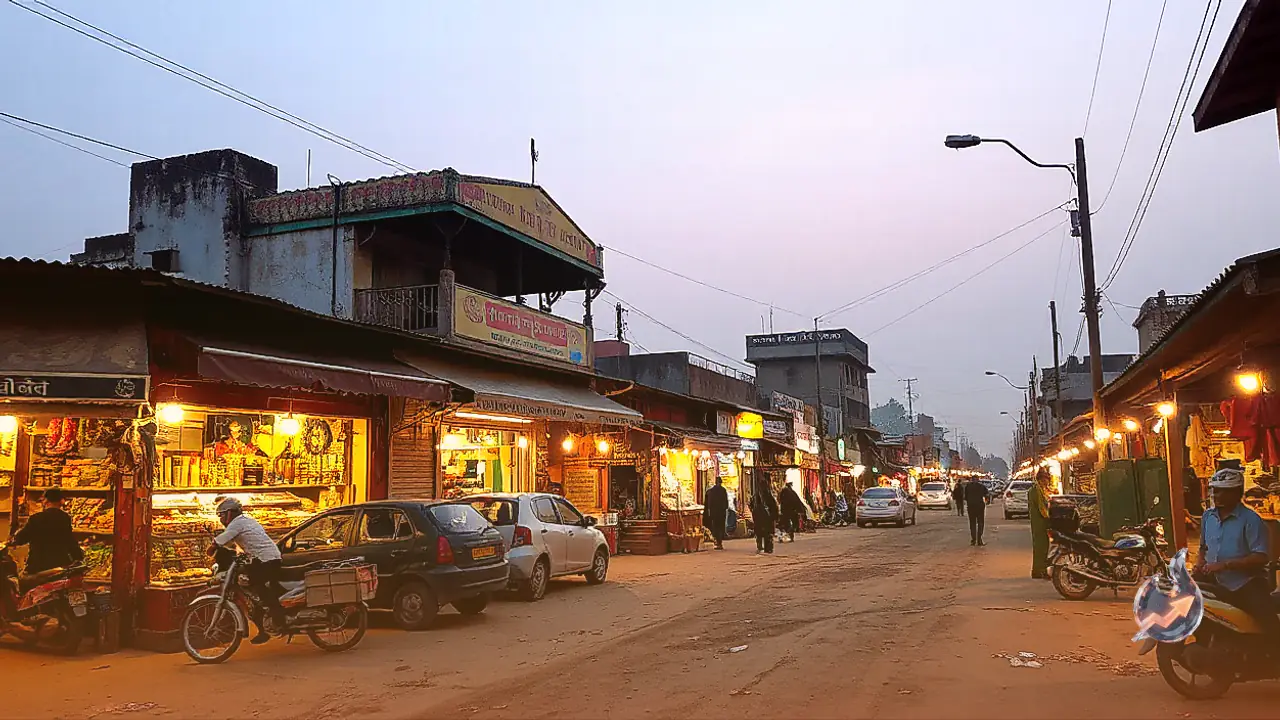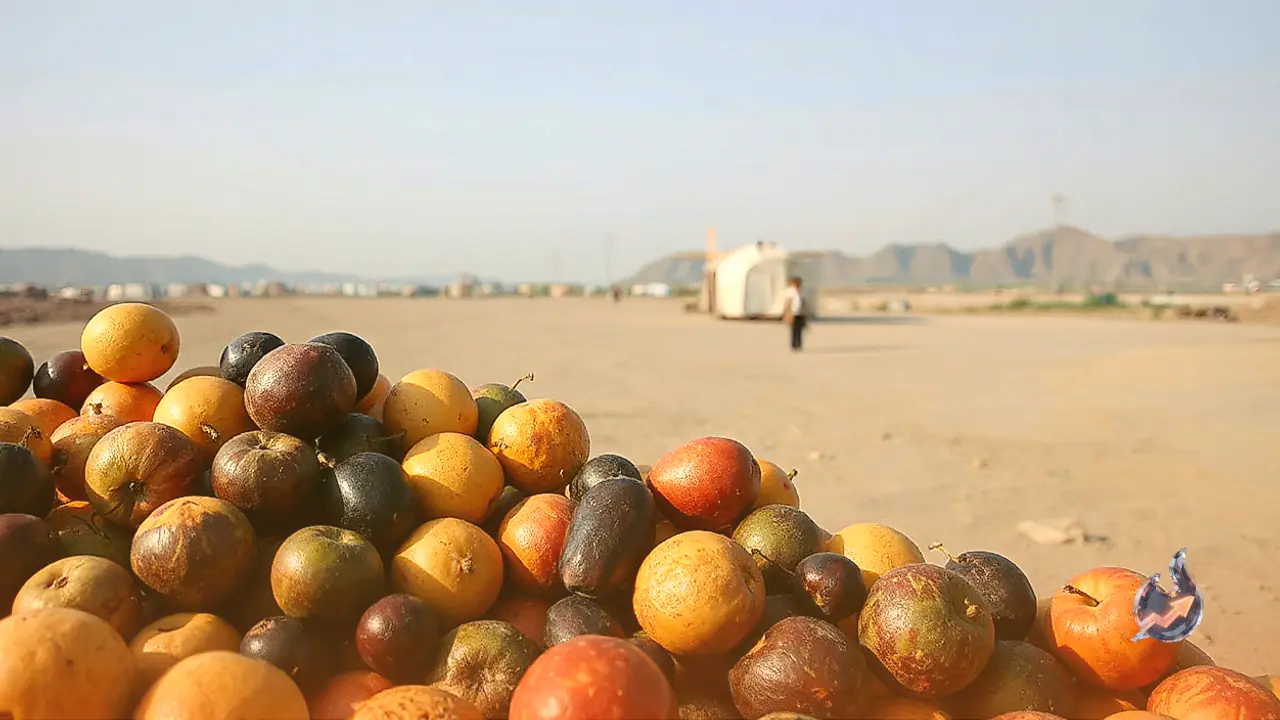


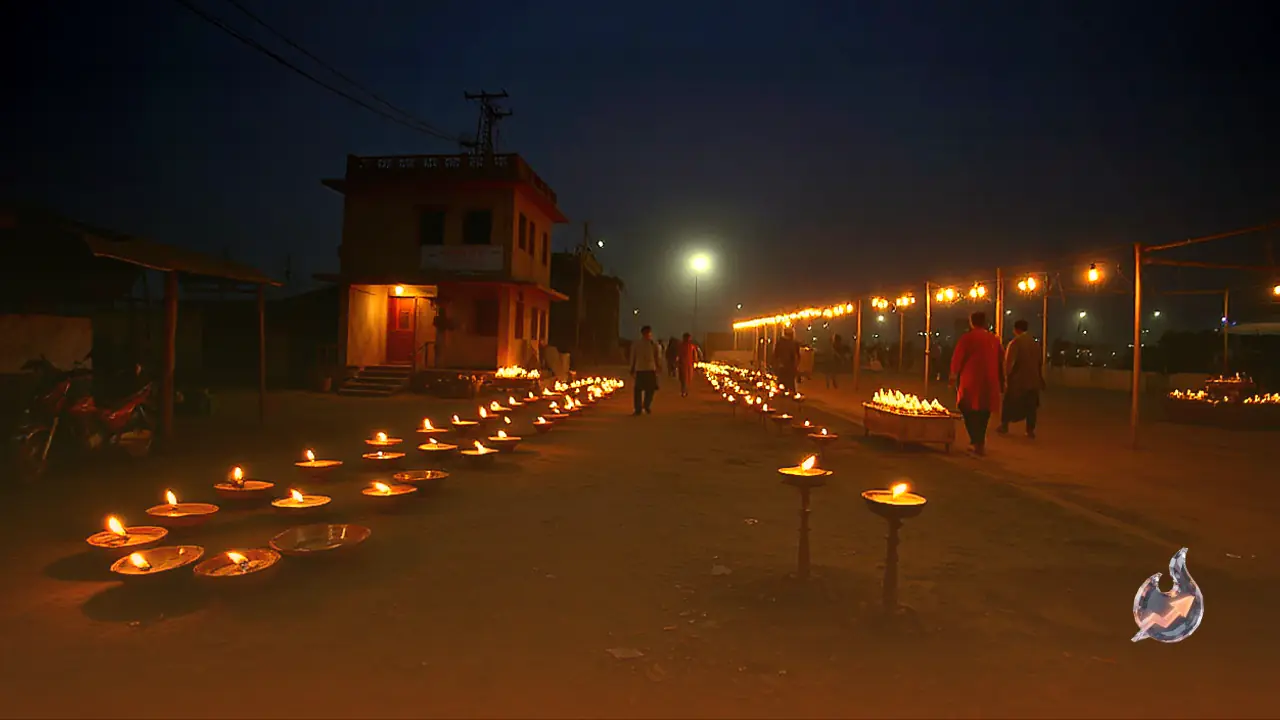
















During the auspicious festival of lights, people illuminate every corner of their homes with earthen lamps. To sustain this festive glow, the sale of traditional indigenous tora oil, prepared from the fruit of the mahua tree, is witnessing remarkable momentum in the markets of Jagdalpur. Traders from neighboring rural areas as well as the adjoining state of Odisha have arrived in large numbers to sell this unique oil. Currently, the oil is readily available in the local markets at a price ranging between 140 and 150 rupees per liter, drawing considerable attention from festive shoppers.
Jema Kashyap, a vendor who traveled from Odisha to sell tora oil, explains that tora oil from Odisha enjoys widespread fame for its quality. It is meticulously crafted from mahua fruit, which first yields a rich juice before being processed into oil. The market price hovers between 140 and 150 rupees per liter. According to vendors, this oil has a noticeably thicker consistency compared to many other conventional oils available in the market, making it distinct in texture and utility.
Offering a significant relief against high commodity prices, tora oil stands out as remarkably economical when placed alongside mustard and sesame oils. In today's market, while mustard oil commands a price of 250 rupees per liter and sesame oil reaches 300 rupees per liter, indigenous tora oil remains accessible at just 150 rupees per liter. Merchants involved in producing and selling this oil firmly maintain that lamps lit with tora oil burn considerably longer than those fueled by mustard or sesame oils, providing both longevity and cost-effectiveness during celebrations.
In the Bastar region, tora oil has historically been the preferred choice for lighting ceremonial lamps. The primary characteristic of this oil is its ability to burn for an exceptionally long duration in a lamp, diminishing slowly and steadily until the wick is entirely consumed. Experts note that the higher the purity of the oil, the longer and brighter the lamp continues to radiate light throughout the night without requiring frequent refilling.
Consequently, the demand for this traditional oil spikes sharply during the Diwali season. Beyond lighting diyas, residents in certain parts of the Bastar region traditionally use this oil for applying on their hands and feet, while some households even incorporate it into their routine cooking for preparing local vegetable dishes, highlighting its diverse cultural utility.