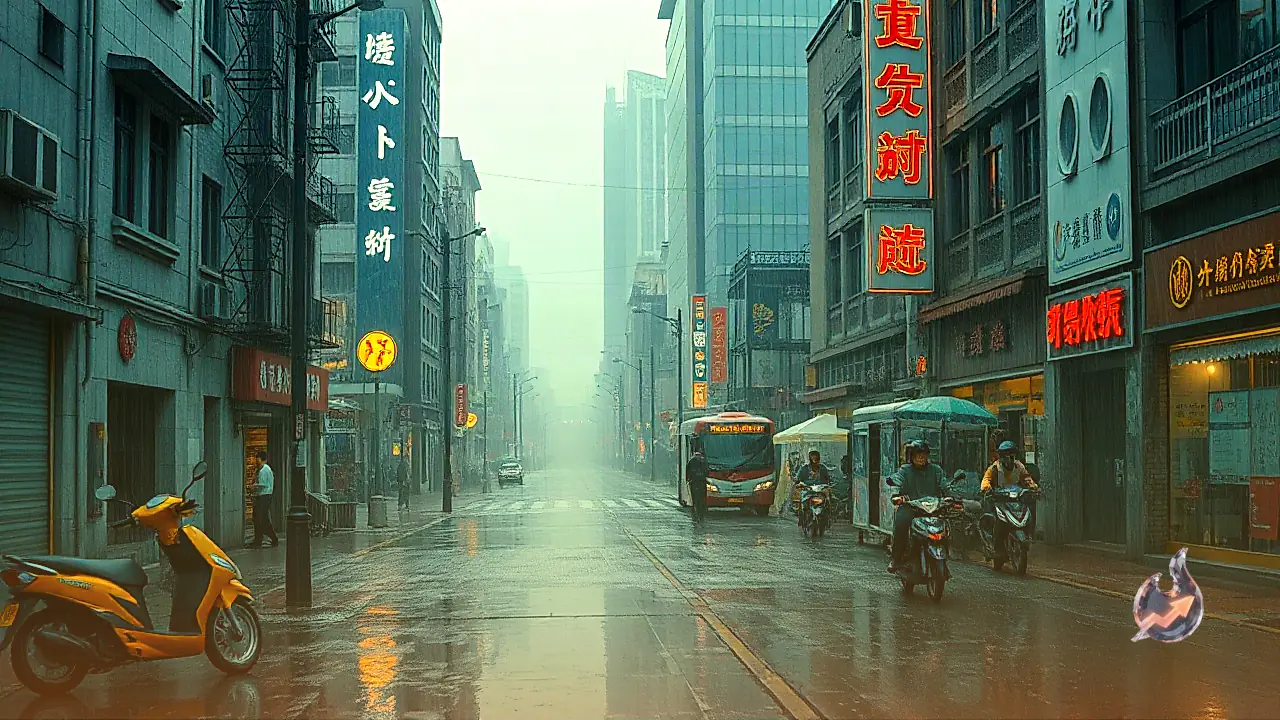







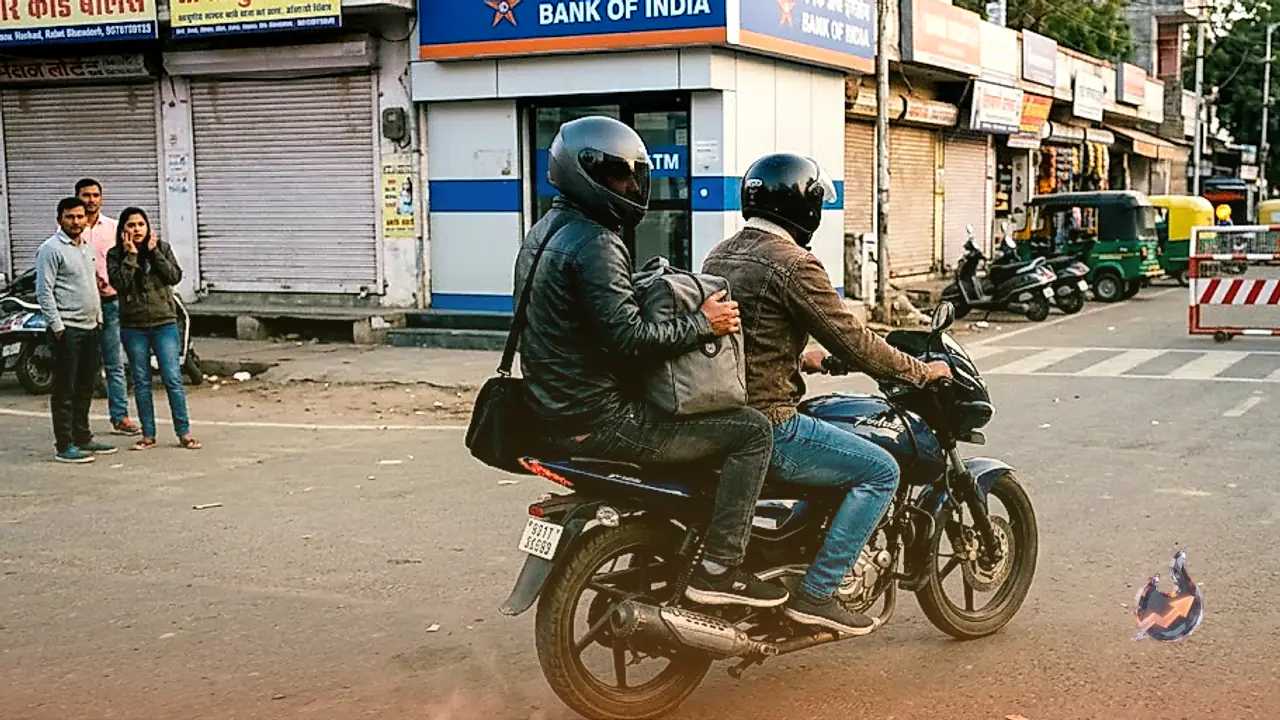















Shifting away from long standing cultural expectations about building wealth through early professional grit, a noticeable segment of Chinese youth is actively abandoning career ambition. While past setbacks often prompted renewed striving, persistent personal and financial challenges are now driving individuals toward detachment. Rather than planning for long term advancement, many young people across China are choosing to earn only what is required to cover bare essentials, rejecting conventional expectations of workplace success.
The Emergence of Wall Hanging Youth
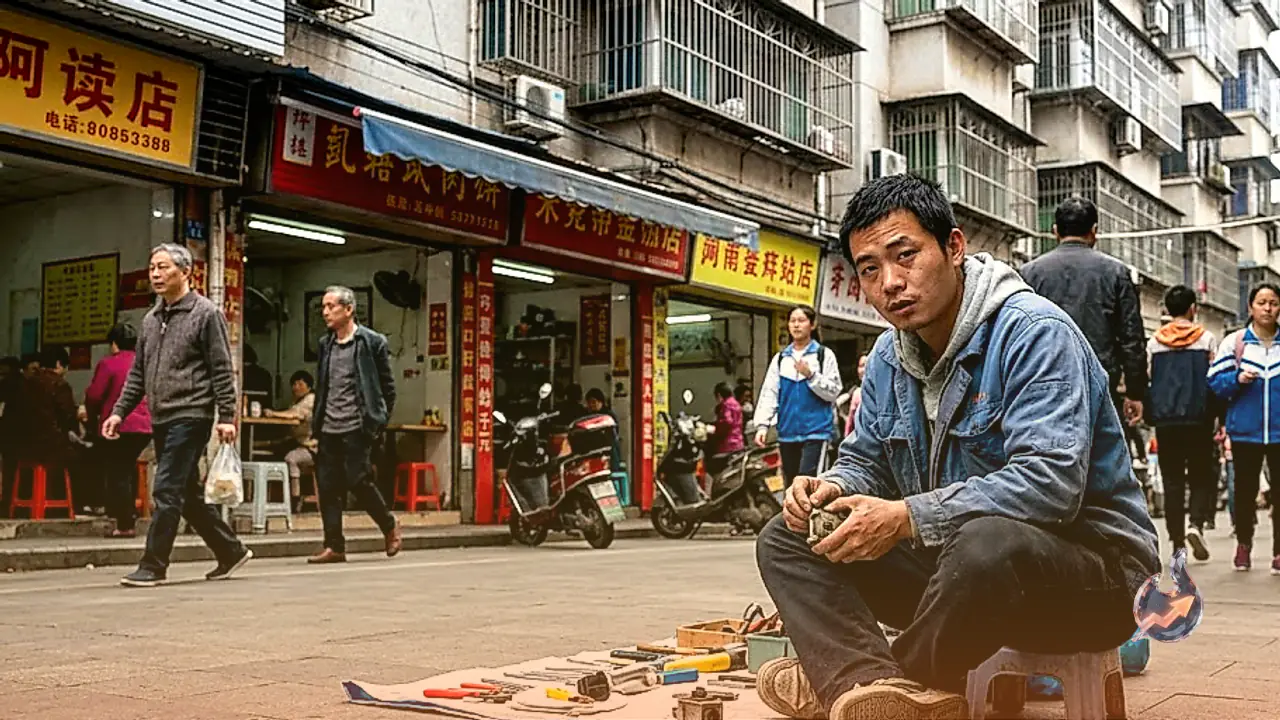
On Chinese online platforms, the term guabi has gained immense traction, roughly translating to the idea of hanging on a wall. The expression has come to define a demographic living on shoestring incomes while withdrawing entirely from mainstream social circles. The ranks of these wall hanging youth continue to grow, characterized by individuals who decline to chase corporate promotions or substantial paychecks. For them, work is undertaken strictly to finance immediate food and lodging, while general social obligations and community status are completely ignored.
From Sanhe Gods to Disillusioned Graduates
This widespread attitude traces directly back to the phenomenon known as the Sanhe Gods, a group of migrant laborers in China who survived entirely on informal day jobs. Their defining slogan centered on working for a single day in order to secure three consecutive days of leisure. Today, that identical motto and approach to daily survival have reemerged among younger generations. The current wall hanging demographic is notably different from past groups, expanding beyond traditional factory laborers to include university graduates who experienced sudden unemployment, family breakdowns, or severe financial instability.
Precarious Living and Rock Bottom Costs
Economic retreat has driven these youths toward minimal cost environments across the country. In March, an internet cafe located in Guizhou province attracted widespread attention for offering access at an ultra low rate of 0.6 yuan per hour, serving as an informal refuge. Deprived of regular housing or steady employment, many such individuals spend their time roaming public streets, sleeping in open facilities, or taking on low paying digital microtasks just to buy basic provisions. Observers view this prolonged social withdrawal as a condition far more damaging than standard depressive episodes.
The Trajectory of Guo Jihao
The experience of 29 year old Guo Jihao in the southern city of Shenzhen reflects the pressures feeding this lifestyle. Originating from a comparatively prosperous family in Hunan province, Guo pursued studies in economics and management with the expectation of securing a stable corporate trajectory. However, the unexpected death of a family member paired with a disastrous financial investment completely derailed his plans. Facing severe poverty with empty pockets, Guo chose not to ask for outside help, distanced himself from his network of friends, and took odd tasks to get by while embracing the wall hanging mindset. Only after an extended period did his personal finances stabilize, allowing him to gradually transition back into normal society.