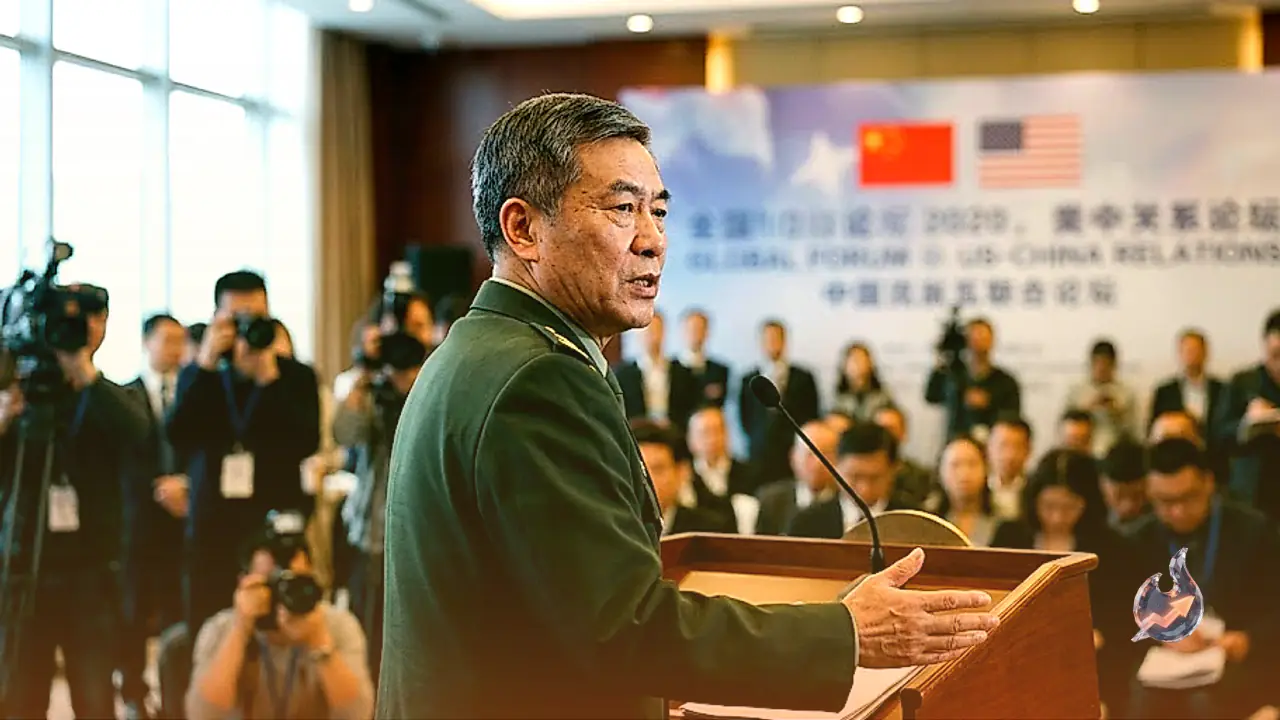



















The geopolitical balance between Asia's two largest powers, India and China, holds far-reaching implications for global diplomacy, economic stability, and international governance. Foreign affairs analyst Waiel Awwad has underscored that the modern global landscape possesses ample room to accommodate the legitimate development goals of both Asian giants. Under these evolving dynamics, institutional confrontation or unending rivalry should give way to constructive partnership and pragmatic cooperation. Establishing sustained communication channels between the highest leadership echelons offers the clearest path toward narrowing persistent trust deficits and forging a more stable bilateral framework.
Top-Level Chemistry and Building Mutual Confidence
Direct engagement between Prime Minister Narendra Modi and President Xi Jinping marks a significant opportunity to restore institutional equilibrium and embark on a steady bilateral phase. High-level summits provide essential strategic guidance that trickles down to diplomats and bureaucratic negotiators on both sides. Waiel Awwad noted that when national leaders interact directly and establish a constructive personal dynamic, it enables them to formulate comprehensive policy directions. Once leaders outline clear shared objectives, administrative delegations and working groups move forward along those defined parameters to revitalize diplomatic and institutional ties.
Border Peace as the Prerequisite for Commercial Ties
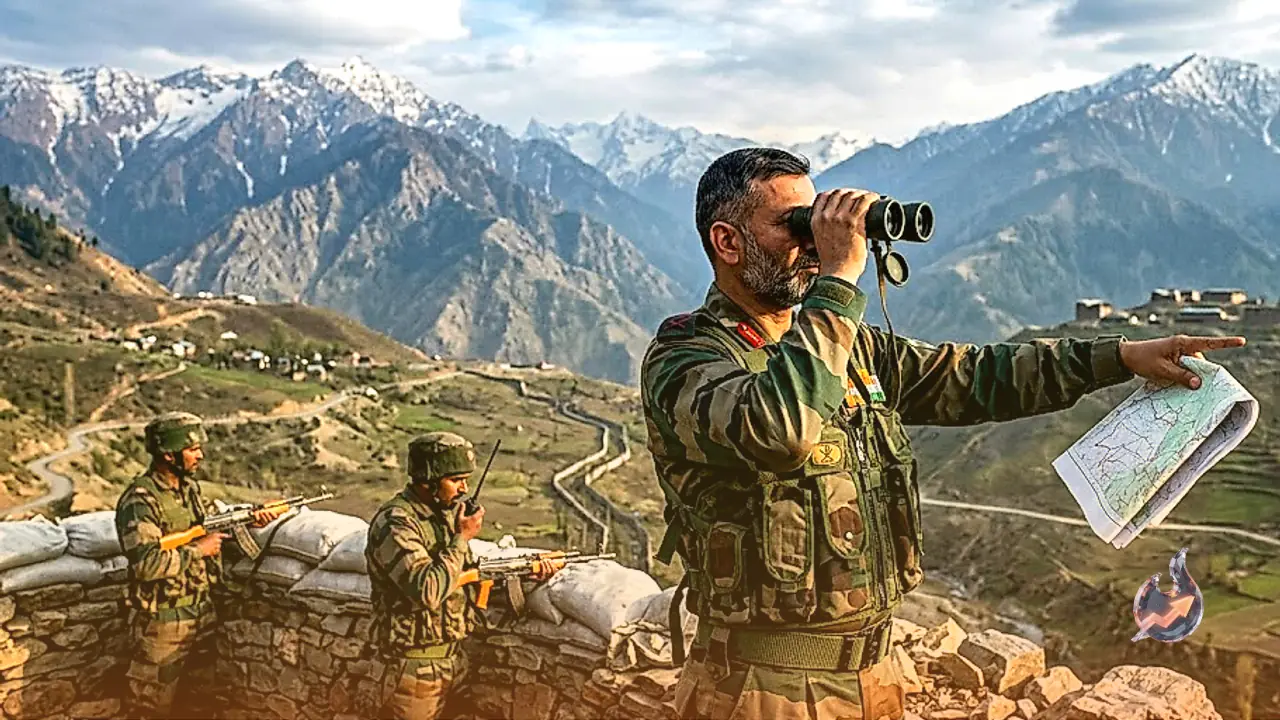
Economic integration and bilateral trade cannot advance independently of unresolved strategic tensions on the frontier. Waiel Awwad pointed out that New Delhi has maintained an unambiguous position: significant economic and trade progress remains conditional upon solving the border dilemma. A cordial, equitable resolution tailored to the core security needs of both nations would unlock unprecedented commercial possibilities. If the border question is settled through mutual understanding, trade volumes between the two economies could expand drastically, delivering massive commercial benefits that are currently held back by ongoing territorial frictions.
Multipolar Realities and South-South Cooperation
The endorsement of Indian concerns within the Delhi Declaration reflects emerging areas of policy alignment, signaling that both nations are gradually bringing their diplomatic perspectives closer on select multilateral forums. As the international order moves decisively away from unipolar hegemony toward a genuinely multipolar structure, cooperative frameworks among emerging economies gain enhanced relevance. According to Waiel Awwad, upcoming high-level dialogues scheduled in China next year will play a critical role in advancing South-South cooperation. Representing the two most populous countries and leading developing economies, coordinated positions between them carry immense weight in reshaping global multilateral discourse.
India's Global Standing and Strategic Realism
India's robust international positioning plays a decisive role in shaping bilateral negotiations with Beijing. As Waiel Awwad observed, India enjoys deeply entrenched partnerships with the United States, European nations, and partners across the Asian continent, ensuring that its global voice commands widespread attention and respect. Recognizing India's formidable geopolitical leverage, Chinese policymakers appear to be approaching unresolved disputes with greater prudence. Addressing lingering issues, particularly the prolonged border standoff, through sensible diplomacy reflects a growing awareness that peaceful coexistence between the two neighbors is fundamental to stability across Asia and the world.