























Tensions across East Asia have escalated further as Beijing staged an extensive live-action air defense exercise deep within the Gobi Desert. Units drawn from the Eastern Theater Command air force of the People's Liberation Army were dispatched thousands of kilometers into the arid northwestern terrain to operate the HQ-9 long-range surface-to-air missile platform. The high-profile deployment coincided directly with vocal diplomatic pushback from both Beijing and Moscow regarding the arrival of the American Typhon missile battery on Japanese soil.
Rapid Transit and Camouflage Adaptations
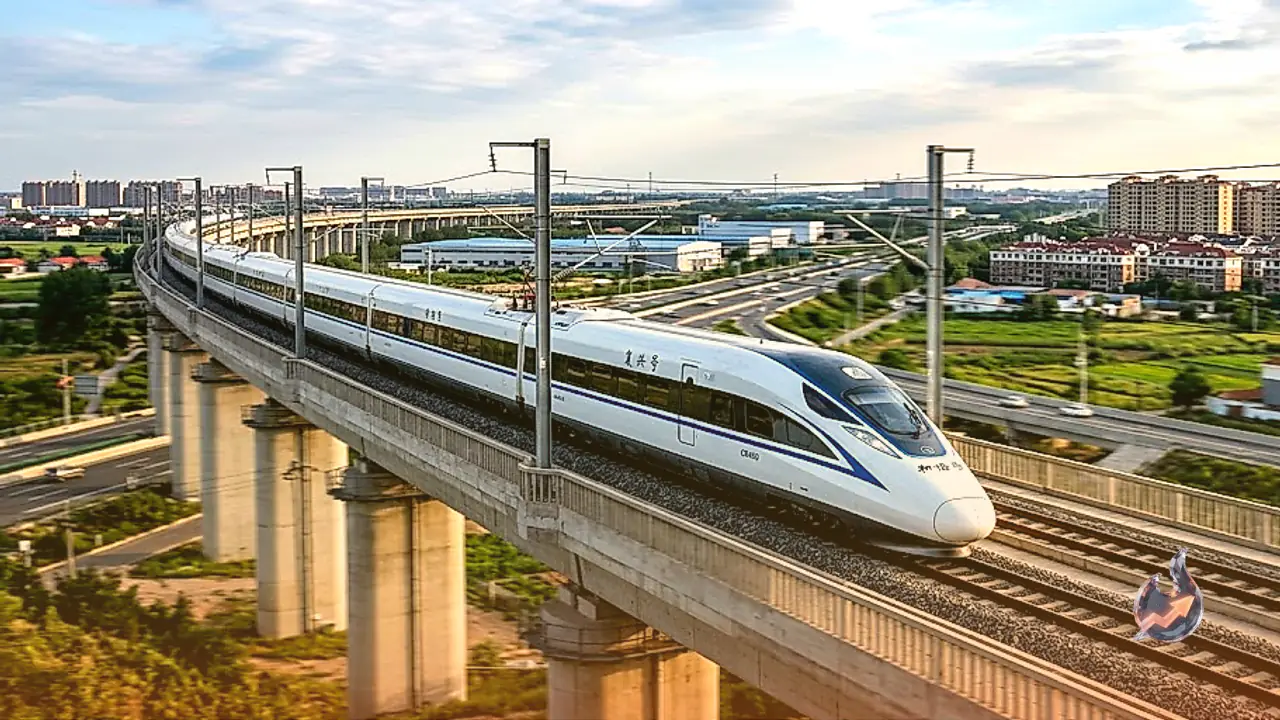
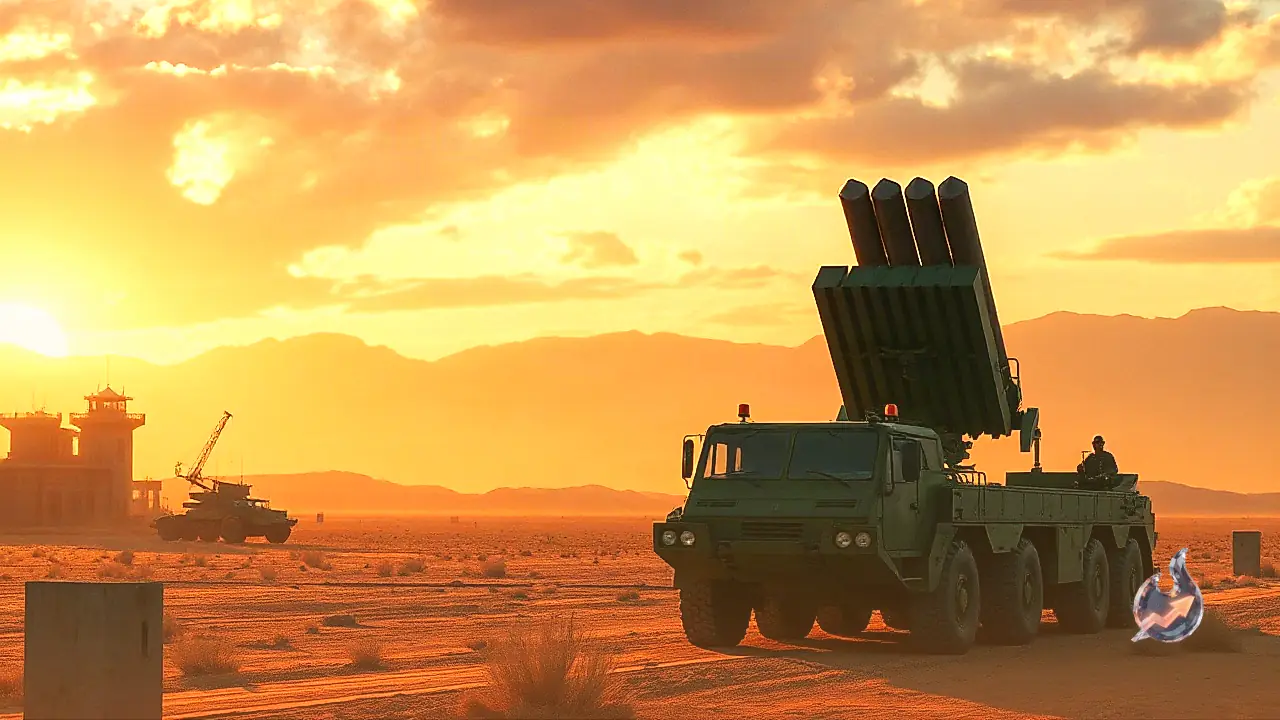
The military maneuver unfolded following an urgent mobilization order issued to the eastern coastal unit. Troops rapidly prepped transport trucks and launcher vehicles before loading the entire formation onto specialized military freight trains destined for the desert proving grounds. Upon arriving in the vast expanse of the Gobi, crews immediately modified their visual concealment techniques to match the surrounding landscape. Visuals confirmed that HQ-9 launchers, which initially sported woodland dark green and black paint schemes, were quickly recoated in pale desert yellow to blend seamlessly into the sandy topography.
Military expert Song Zhongping stated, "The ability to adapt quickly to different terrains is now essential for modern military units." He added that maintaining weapon survivability and masking asset locations in contested operational zones can dictate tactical outcomes.
Complex Combat Drills Under Hostile Electronic Warfare
The exercise extended far beyond routine launcher positioning and target tracking. Chinese military authorities revealed that field scenarios featured simulated drone swarm assaults, unexpected equipment breakdowns, abrupt navigational reroutes, and cascading emergency tasks. Specialist support elements operated in unison to solve each operational hurdle under fluctuating battlefield realities, testing their ability to communicate seamlessly and preserve operational readiness.
Technically categorized as a third-generation medium-to-long-range surface-to-air missile system, the HQ-9 is engineered to function effectively in inclement weather and through dense electronic warfare counter-measures. Chinese defense officials claim the platform can successfully identify, track, and destroy enemy combat aircraft, unmanned aerial vehicles, and incoming precision-guided munitions.
Broadening the Operational Envelope of the Eastern Theater
The strategic scope of the maneuver raised eyebrows among regional observers due to the composition of the participating forces. The Eastern Theater Command is conventionally tasked with monitoring maritime corridors along China's eastern flank and the Taiwan Strait. Dispatching its air defense assets across thousands of miles to an arid northwestern proving ground highlights Beijing's focus on fluid cross-theater military mobility. Specialist Song Zhongping emphasized that future armed conflicts are unlikely to remain confined to a single geographic zone, making the swift reallocation of troops and firepower across different commands a decisive operational factor.
Diplomatic Protests Over Typhon Deployment
The timing of the desert drills mirrors sharp geopolitical friction sparked by the United States deploying its Typhon missile apparatus onto Japan's Kyushu Island. Forces from Washington and Tokyo have been utilizing the system during their bilateral 'Orient Shield 26' exercises held throughout September. Chinese Foreign Ministry spokesperson Guo Jiakun announced on September 21 that Beijing had submitted an official diplomatic note to Tokyo outlining its formal objection, a move that followed similar diplomatic complaints lodged by Russian authorities.
Beijing has warned that introducing the Typhon system, which it classifies as a strategic strike capability rather than a purely defensive weapon, risks triggering destabilizing arms buildups and raising the stakes for armed confrontation. China has urged Japanese authorities to urgently re-examine their defense alignment to avoid worsening regional polarization.