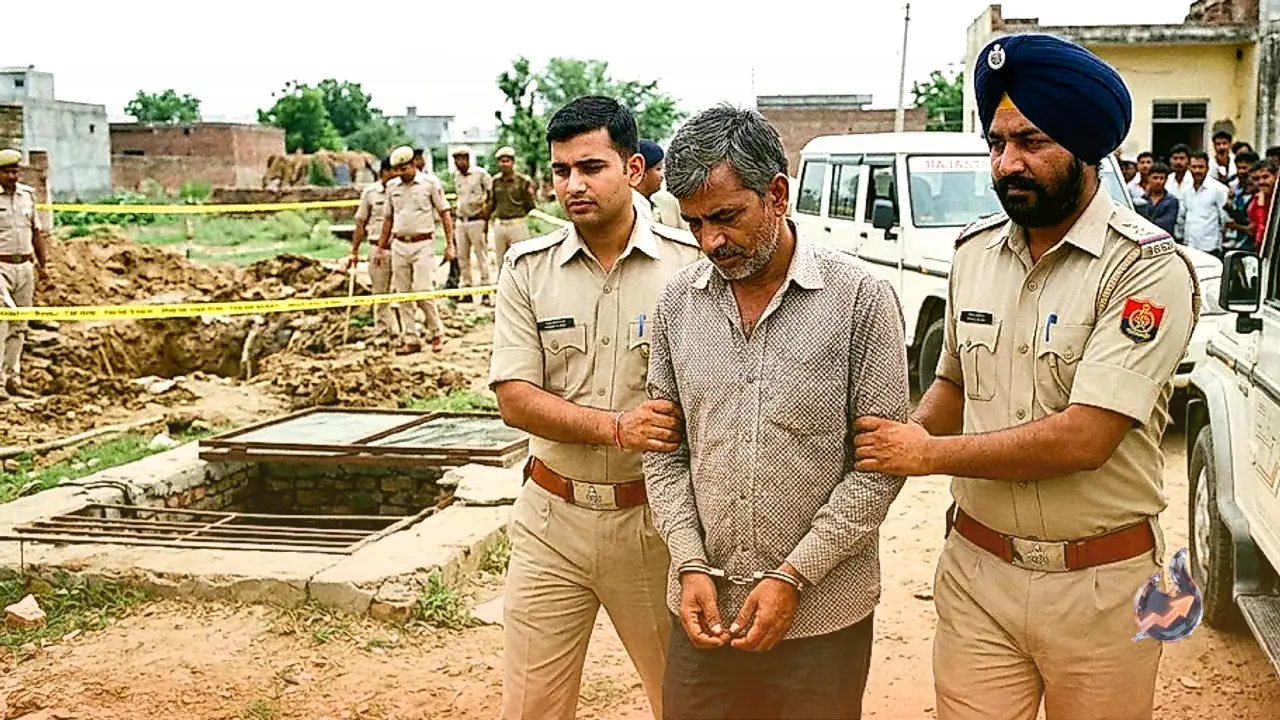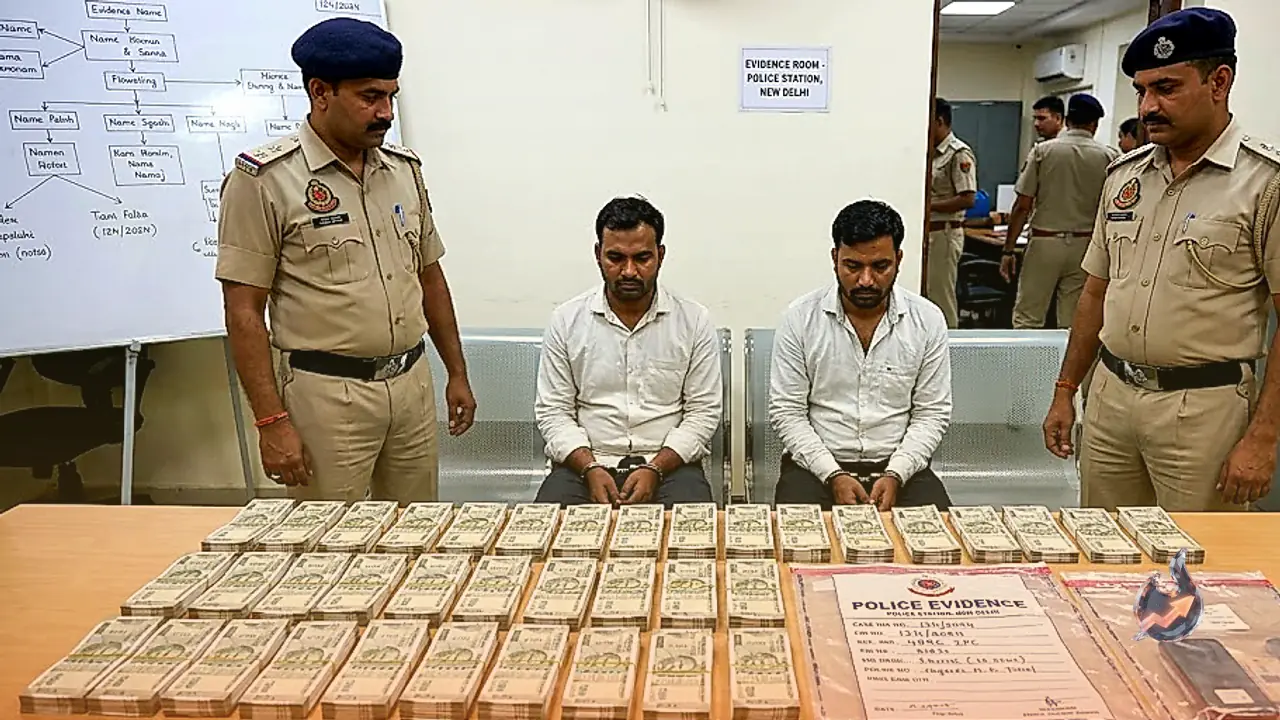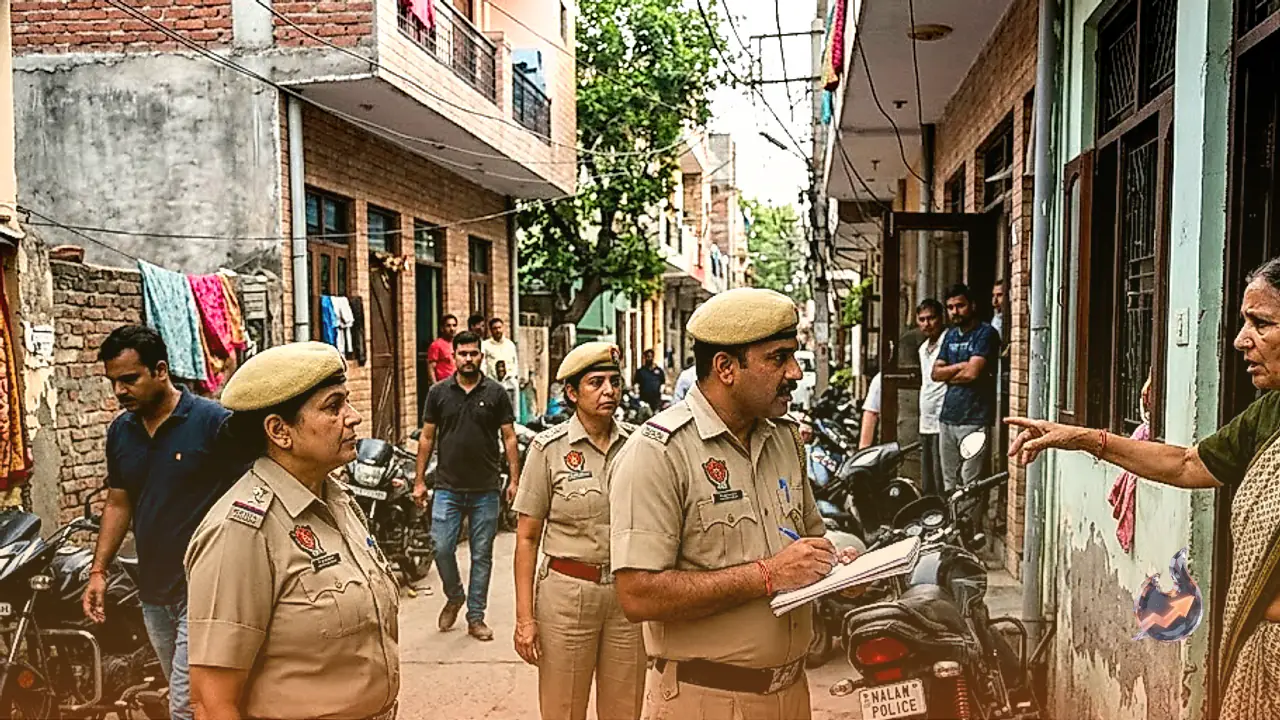







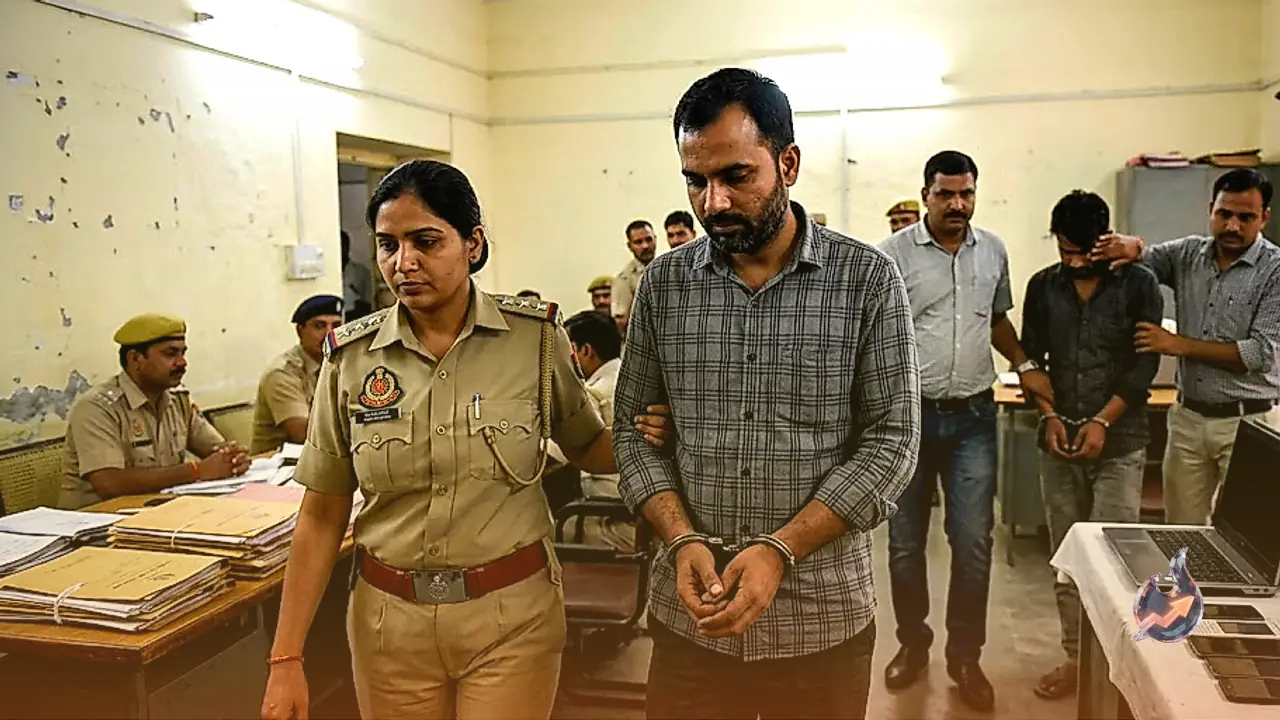















A well-coordinated inter-state cyber syndicate exploiting marriage-seeking bachelors through staged conversations, counterfeit profiles, and fabricated matrimonial assurances has been dismantled by the cyber cell of the Delhi Police. Operating under the guise of an authentic matchmaking agency, the racket extracted continuous processing fees from unsuspecting men across India. The most striking element of the operation was its facade of absolute corporate legitimacy, where regulatory registrations, operational bank accounts, office premises, and telecom assets were genuine, while the prospective brides being marketed did not exist.
Corporate Shell Concealing A Fraudulent Operation
The entire fraudulent enterprise was engineered with meticulous attention to detail to preempt suspicion from users and financial institutions. Headquartered in Agra, Uttar Pradesh, the network operated a physical telecalling facility under the commercial brand name Shadi Partner. To establish credibility, the operators registered the business entity with the Ministry of Micro, Small and Medium Enterprises (MSME) and the Labor Department. Every cellular connection used for telecalling and all commercial bank accounts handling financial collections were legally maintained in the company’s name. This corporate disguise ensured that prospective grooms genuinely believed they were dealing with an accredited matchmaking company.
Investigators identified 29-year-old advocate Amit Kumar as the operational mastermind orchestrating the legal structure and administrative strategy of the syndicate. On regulatory filings and official company records, the firm listed a woman named Jai Shakya as its registered proprietor. With formal documentation in place, the group systematically expanded its telecalling outreach to entrap bachelors looking for spouses.
Sourcing Contacts And Fabricating Profiles
The syndicate executed a structured step-by-step strategy to trap targets. Operatives scraped phone numbers and contact details of marriage-seeking men from social media channels, open internet forums, and prominent matrimonial websites. Once a prospective profile was sourced, the team quickly assessed the candidate’s economic background and financial capacity to tailor their pitch.
Initial contact was established via telephone calls or instant messaging platforms. To generate immediate interest, the telecallers shared photographs of attractive women harvested indiscriminately from internet platforms. These images were paired with screenshots of manufactured profiles uploaded to their dedicated website, creating a convincing digital footprint that led victims to believe the profiles represented real, registered applicants on the platform.
Staged Family Conversations And Progressive Fee Slabs
Once a target signaled interest in a forwarded profile, the telecalling team transitioned the engagement into an interactive stage. Female employees based at the Agra center were assigned to portray the prospective bride, engaging the man in sustained daily telephone discussions. Rather than rushing to collect funds, the operatives maintained these conversations over several days to build emotional trust and personal affinity.
As the target became deeply invested in the prospective match, other syndicate members intervened by impersonating the woman’s parents or close relatives over the phone to discuss formal alliance terms. Convinced that matrimonial finalization was imminent, the victim was prompted to pay various service charges. The operators levied charges under different administrative labels, including profile activation fees, direct contact unlocking charges, security deposits, and registration packages. These tiered payment requests ranged from 2,500 rupees to 15,000 rupees.
Strategic Low-Threshold Financial Extortion
A calculated aspect of the syndicate’s strategy was its strict cap on extortion amounts. Police officials noted that the gang avoided seeking massive, headline-grabbing sums from any single target. In most instances, total financial extractions per victim were deliberately kept within 15,000 rupees. The operators deliberately adhered to a low-volume individual collection across an expansive pool of victims.
This restraint was a calculated defense mechanism against law enforcement scrutiny. The syndicate calculated that victims losing substantial sums would readily approach senior police officials or pursue legal proceedings. Conversely, individuals losing a modest sum of a few thousand rupees were significantly more likely to absorb the loss quietly, deterred by social embarrassment, family hesitations, or the perceived burden of navigating formal police complaints. This behavioral buffer allowed the telecalling hub to operate continuously without triggering major legal friction.
Abrupt Cutoffs Using Astrological And Family Excuses
Once a victim completed the maximum fee payments and demanded in-person family meetings or formal engagement schedules, the syndicate terminated contact. The telecallers abruptly broke off communication while providing pre-scripted explanations to deflect suspicion.
Victims were commonly informed that a sudden astrological mismatch had surfaced, specifically that the woman was Manglik, making the marriage astrologically unviable. In other cases, callers claimed that the bride’s family had withdrawn their consent or that her engagement had been finalized elsewhere. Left empty-handed, victims were stranded without any refund of their paid deposits or any physical trace of the woman they had been speaking to.
Delhi Complaint Traces Nation-Wide Trail
Although the syndicate operated across multiple states, its disruption began when a resident of Delhi filed a formal cyber fraud complaint after losing 15,000 rupees. The complainant realized that the woman he was conversing with over the phone did not match the identity of the person shown in the shared photographs. Sensing deception, he approached the Central District Cyber Police.
Upon examining the financial trail, cyber investigators discovered that the complainant’s funds had been routed to an account maintained at Central Bank of India under the registered trade name M/S Shadi Partner Dot Com. Cross-referencing this account with national cybercrime tracking records revealed that six other victims from various parts of the country had previously registered formal complaints involving transfers to the exact same account. This verified that the incident was part of a structured, nationwide matrimonial cheating enterprise.
Raid At Agra Apartment And 10 Arrests
Acting on financial leads and technical intelligence, the Central District Cyber Team of the Delhi Police organized a targeted operation in Uttar Pradesh on September 4. Investigators raided a commercial setup located within Ramaji Dham Apartments in the Sikandra locality of Agra. The team apprehended proprietor Jai Shakya along with eight female telecallers who were operating the staged calling infrastructure from the apartment.
Subsequent operational questioning and technical analysis led to the arrest of the syndicate’s mastermind, Amit Kumar. In total, 10 individuals were taken into custody during the operation. Police seized operational telecom gear, documentation, and digital records linking the setup to systematic matchmaking deception.
Police Advisory On Matrimonial Safety
DCP (Central) Rohit Rajbir confirmed the dismantling of the inter-state network, emphasizing that young men from several states had fallen prey to its staged calls, fabricated profiles, and scraped online pictures. The official highlighted that the syndicate relied on creating complete psychological immersion, leaving victims under the impression that they were utilizing legitimate matchmaking services.
The police department has urged citizens to exercise heightened vigilance when interacting on digital matrimonial portals. Users should verify matrimonial profiles independently before executing any financial transfers. Authorities advise against relying solely on telephone exchanges or digital pictures. Prospective grooms and their families must insist on in-person meetings with families, conduct live video interactions, and immediately approach police cyber authorities if any agency demands recurring fees under vague verification pretexts.