





















Farmers across drought-prone pockets of Jharkhand frequently grapple with unpredictable weather patterns, leaving agricultural livelihoods vulnerable to severe crop damage. Palamu district falls largely within a dryland belt, where deficit rainfall and recurrent dry spells remain persistent hurdles for rural cultivators. In many seasons, unexpected weather shifts ruin standing crops and wipe out the entire capital invested by farmers. Addressing these vulnerabilities requires resilient farming methods that maximize land utility through multiple crops while minimizing water dependence and operational expenses. In pursuit of this objective, the Zonal Research Centre in Chianki, Palamu, has initiated an extensive trial on integrated multiple cropping systems.
Simultaneous Trial of Jowar, Maize, and Pigeon Pea
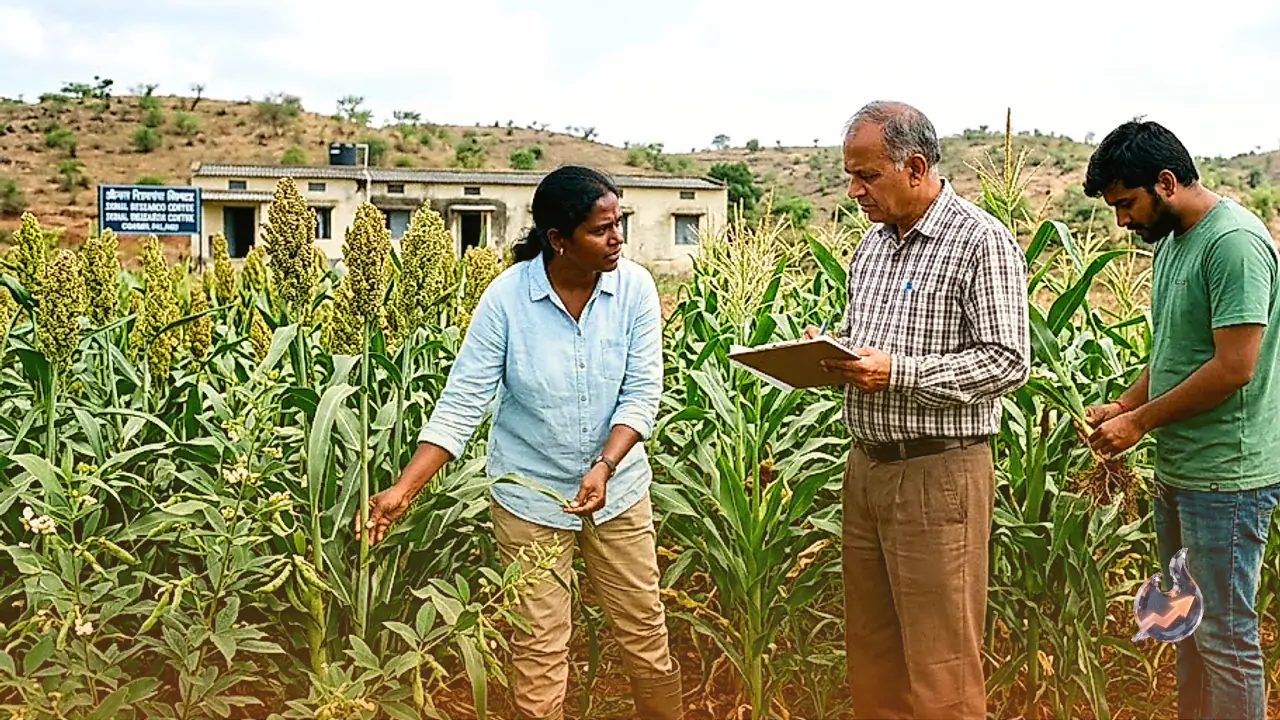
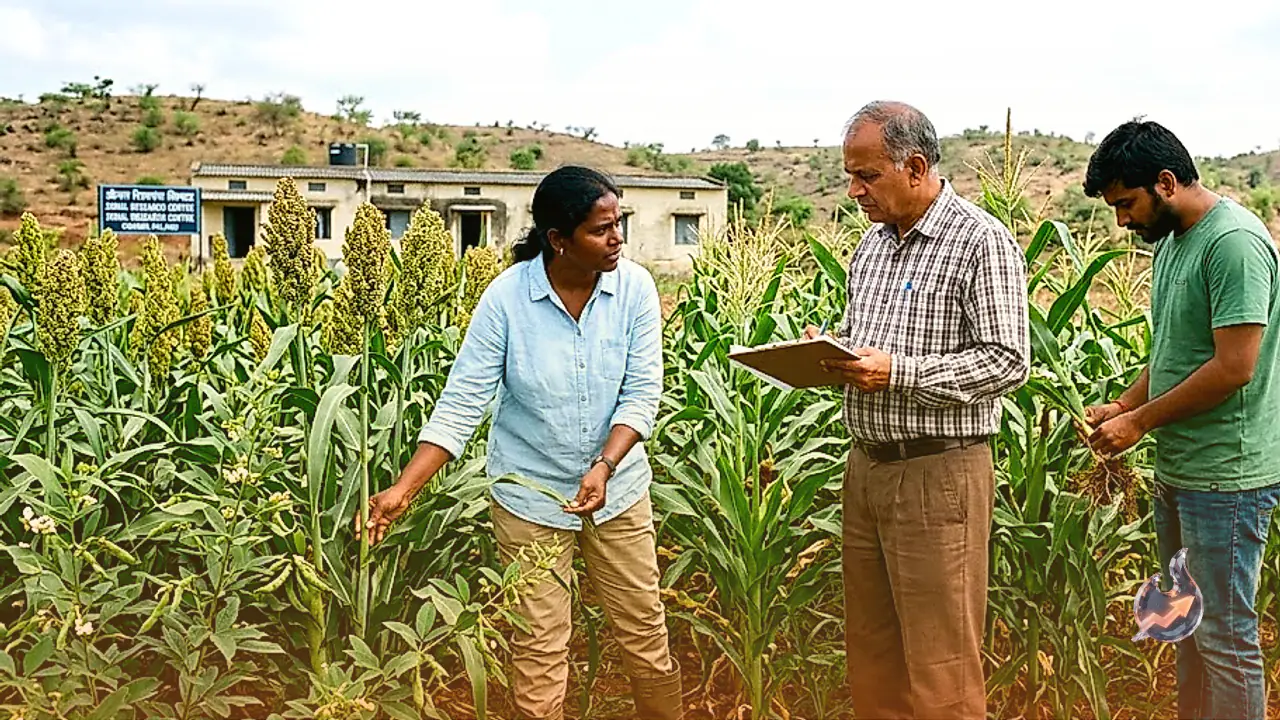
Under the trial conducted at the Chianki research facility, scientists have planted jowar (jinora), maize, and pigeon pea (arhar) within the same plot using structured bed configurations. Agricultural researchers are assessing three distinct planting methods: ridge and furrow, broad bed, and flat bed. The overarching aim is to establish a viable agronomic framework that empowers farmers in low-rainfall zones to optimize rainwater harvesting and conservation while boosting aggregate agricultural output.
Drainage and Moisture Management Through Raised Beds
Scientist Abhishek Patel explained that the ridge and furrow approach involves carving out ridges roughly 60 centimeters wide and elevated 15 to 20 centimeters above ground level across the field. The channels formed between these ridges allow excess rainwater to drain away smoothly during heavy downpours. Efficient drainage prevents prolonged waterlogging, which is critical for protecting sensitive pulse crops like pigeon pea from root damage. Conversely, during dry spells, this physical furrow structure aids in capturing and retaining soil moisture over longer stretches.
The broad bed system functions on a comparable principle by creating raised platforms separated by uniform alleys. This arrangement provides ample space to position diverse crop types systematically across identical acreage, enabling growers to harness the advantages of multi-cropping without inter-crop competition. In contrast, the conventional flat bed method lacks elevated contouring, making it prone to water stagnation during intense rainfall episodes.
Staggered Harvest Windows Mitigate Crop Failure Risks
The primary advantage of planting three distinct crops together lies in risk diversification. Should irregular monsoons or unexpected moisture extremes compromise one crop, the remaining two can cushion the farmer against catastrophic financial losses. The selected crops feature staggered growth durations that do not compete simultaneously for the same peak resources. In the ongoing trial, jowar matures within approximately 80 to 90 days, maize completes its cycle in around 120 days, and pigeon pea requires nearly 240 to 250 days to fully ripen. This tiered timeline guarantees staggered harvests and steady agricultural returns over extended months.
Low Input Costs and Projected Yield Gains
Implementing mechanized field preparation for this multi-tier model requires an estimated expenditure of about 15 to 20 thousand rupees. The primary goal of the Chianki trial is to curb farming expenses, maximize rainwater utilization, and hedge against climate-induced crop failures to safeguard farm incomes. Researchers anticipate that adopting this structured bed model properly could elevate both yield and net returns by 15 to 20 percent compared to conventional single-crop cultivation methods.