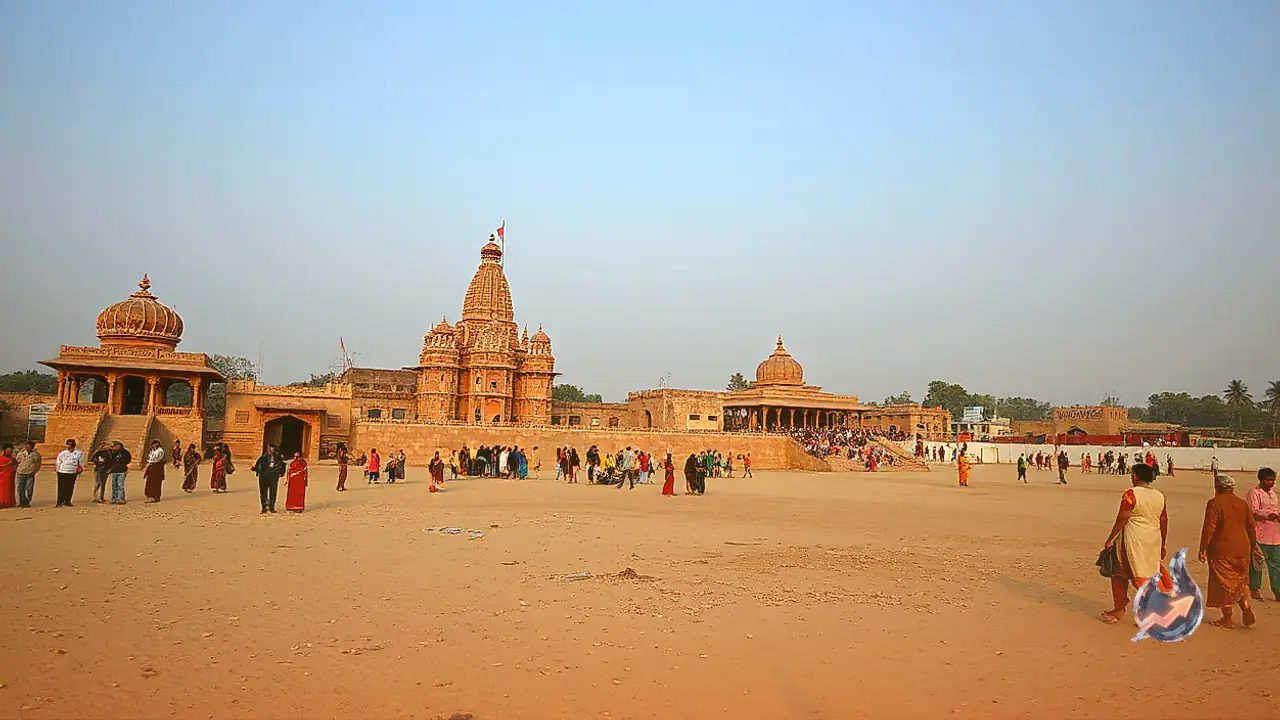
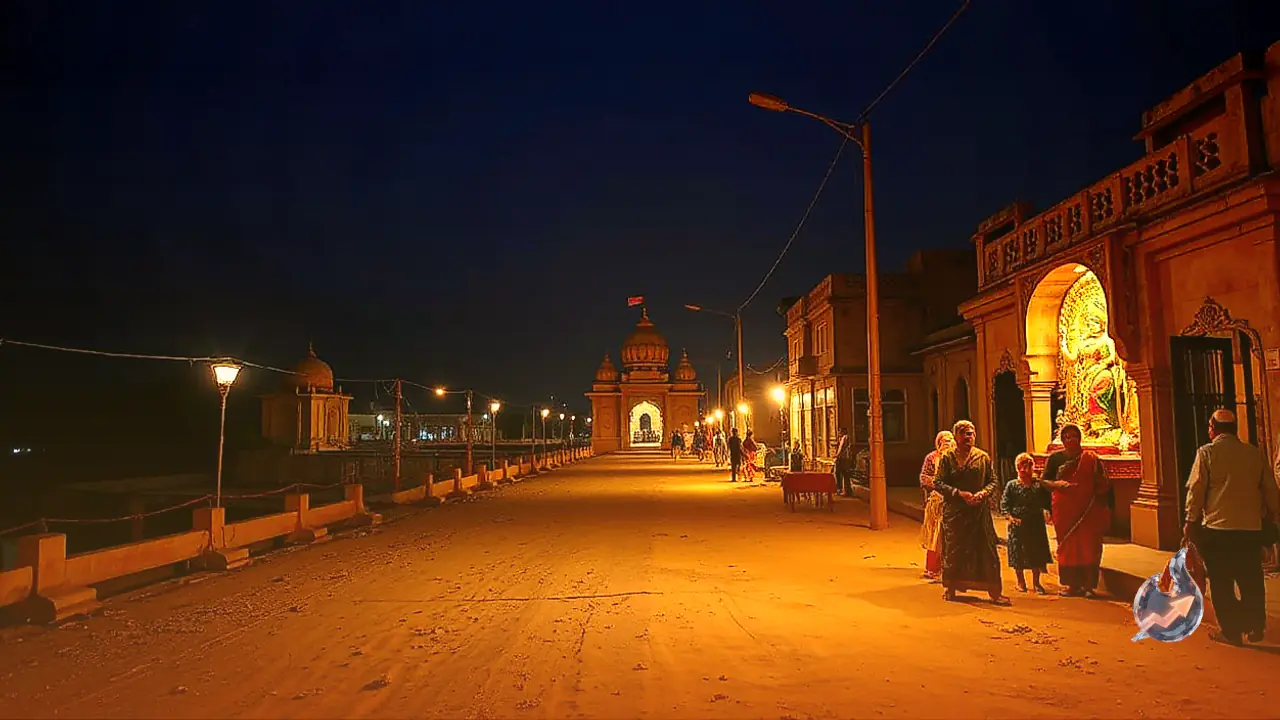























Nestled along the sacred banks of the Saryu river, Ayodhya is universally revered as the birthplace and divine playground of Lord Ram. However, beyond its central identity in Ramayana lore, the holy city stands as an enduring crossroads of two distinct yet inseparable cultural and spiritual streams. While Awadh is intimately linked to the deeds, teachings, and life story of Lord Ram, the ancient region of Mithila is celebrated as the cherished homeland of Sita, affectionately referred to by devotees as Kishori Ji. The marital union between the two divine figures established an indissoluble cultural bridge that continues to shape religious customs, folklore, and daily temple life across the sacred city today.
The Philosophical Union of Divine Power and Its Bearer
Spiritual thinkers and scholars of religious heritage explain that Lord Ram and Kishori Ji represent two halves of a single supreme reality. Within classic theological frameworks, Sita is perceived as Shakti, the embodiment of primordial energy and grace, whereas Lord Ram is revered as Shaktiman, the master and bearer of that divine power. This metaphysical bond naturally harmonizes the traditions of Awadh and Mithila into a unified devotional fabric. Jagadguru Ram Dinesh Acharya has elaborated that upon arriving in Ayodhya after her marriage in Janakpur, Janaki ceased to be merely the daughter of Mithila. Instead, she became an inseparable pillar of Ayodhya's own heritage. Consequently, the worship of Sita and the celebration of Mithila's artistic and spiritual customs hold an equally exalted pedestal alongside the reverence paid to Lord Ram in the sacred city.
Contrasting Expressions of Faith Through Sharan and Das Traditions
To fully grasp the rich theological depth of Ayodhya's devotional landscape, scholars frequently highlight two distinct spiritual currents known as the Sharan and Das traditions. Each stream offers a unique emotional pathway for seekers to connect with the divine couple
- The Sharan Tradition: Devotees who orient their spiritual practice around Kishori Ji are aligned with the Sharan tradition. In this approach, seekers surrender under the maternal and gentle refuge of Sita, viewing her unconditional compassion as the most direct means of attaining divine grace.
- The Das Tradition: Followers centered primarily on the worship of Lord Ram embrace the posture of a humble servant, cultivating feelings of unswerving loyalty, reverence, and ethical discipline under the Das tradition.
These parallel paths ensure that the worship of both Ram and Janaki within Ayodhya accommodates diverse spiritual sentiments, ranging from respectful servitude to affectionate surrender.
Living Heritage Displayed in Festivals and Folklore
The cultural imprint of this dual connection permeates every facet of communal life in the holy city. Awadh's native folklore, ceremonies, and seasonal ballads revolve around the virtuous life of Lord Ram. Simultaneously, the sensitive emotional warmth of Mithila's traditions manifests in deep personal devotion toward Sita, honoring her resilience and dignity. This cross-cultural dialogue becomes especially vivid during sacred festivals like Vivah Panchami. On this occasion, temples throughout Ayodhya recreate the celestial wedding with meticulous care, filling the courtyards with both Maithili songs of welcoming and Awadhi festive chants, demonstrating that the historical alliance between the two provinces remains vibrantly alive.
Complete Devotion Through the Combined Sitaram Worship
Throughout the prominent temples and spiritual gatherings across Ayodhya, the joint worship of Sita and Ram reflects a profound truth: though Awadh and Mithila represent two distinct cultural regions, their religious soul is fundamentally unified. Viewing Ayodhya exclusively through the prism of Lord Ram captures only half of its spiritual reality. It is the joint worship of Sitaram that fulfills the devotional cycle. This enduring synthesis continues to thrive in devotional singing, local rituals, and the shared consciousness of pilgrims who travel from across the subcontinent to experience the harmonious heart of Awadh and Mithila.