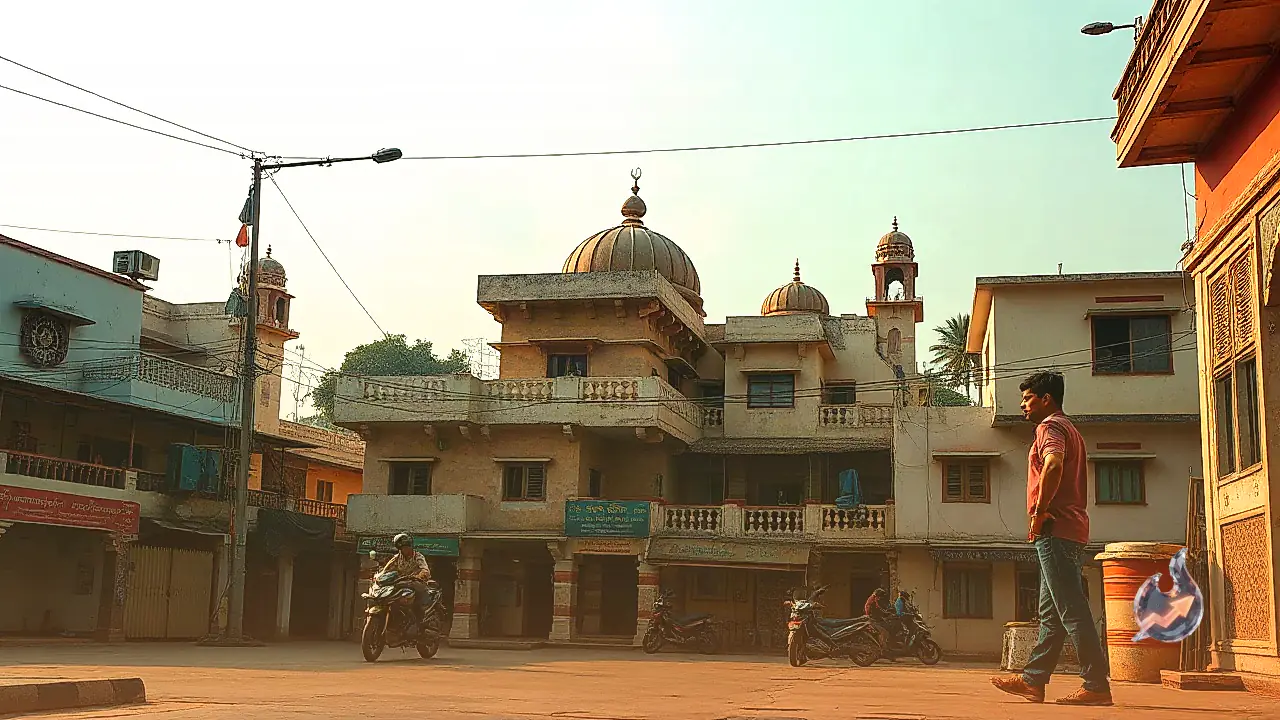


















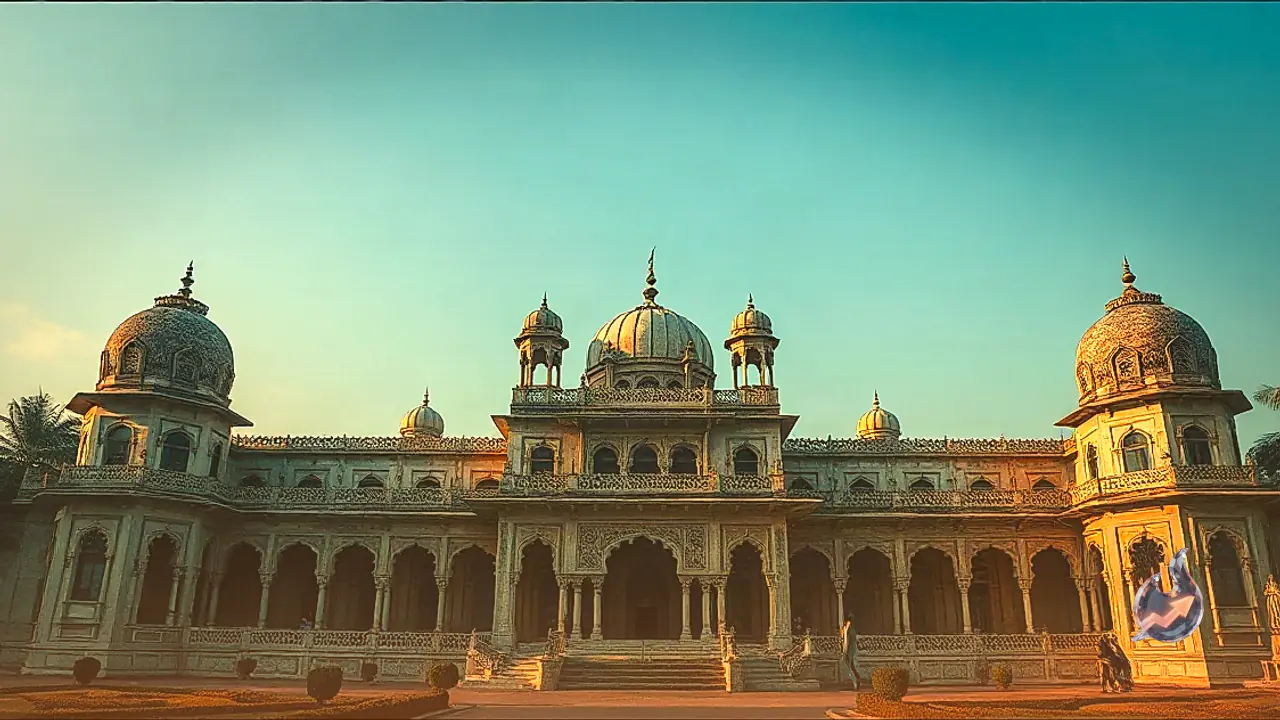

Among the multitude of historic structures dotting the landscape of Hyderabad, the Aziz Bagh mansion holds a uniquely celebrated place owing to its extraordinary history and architectural character. Built in 1899, this magnificent two-story residence stands as a refined example of late 19th-century residential architecture while reflecting the region's famous composite Ganga-Jamuni culture. Spanning more than 125 years of rich heritage, Aziz Bagh continues to preserve its timeless splendor, structural grace, and cultural legacy in modern-day Hyderabad.
A Heritage Mansion Built Entirely From Book Earnings
The backstory of Aziz Bagh's construction sets it apart from almost every other grand estate of its era. During the princely rule, opulent mansions were typically commissioned through state treasuries, inherited royal wealth, or commercial fortunes. However, Nawab Aziz Jung refrained from utilizing any royal grants or government funds for his residence. Instead, he financed the complete construction of this family mansion using earnings generated from the sale of his published poetry books. This remarkable feat underscores not only his extraordinary literary gift but also his profound dedication to the craft of poetry, leaving behind a residence built entirely on creative intellect.
Nawab Aziz Jung and Courtly Distinction
The creator of Aziz Bagh, Nawab Aziz Jung Bahadur, was also known by the names Ahmad Abdul Aziz and Khan Bahadur Shams-ul-Ulama. He was one of the most prominent and highly respected courtiers in the court of Mir Mahboob Ali Khan, the sixth Nizam of Hyderabad. Beyond his administrative stature, Nawab Aziz Jung was an accomplished scholar of Persian and Urdu along with being a revered poet. His intellectual contributions and high courtly status helped weave a rich cultural narrative directly into the foundation of Aziz Bagh.
Seven Generations of Family Legacy and Public Service
Aziz Bagh has continuously served as the ancestral home of the Jung family, housing seven successive generations under its roof. The family's contributions extended beyond administrative duties to enrich the academic, literary, and socio-cultural fabric of Hyderabad. Following the demise of Nawab Aziz Jung, the heritage property passed to his son, Nawab Deen Yar Jung, a distinguished administrative figure. Prior to 1948 under the Nizam's rule, Nawab Deen Yar Jung served as the Kotwal of Hyderabad. Following independence, he joined the Indian Police Service and eventually rose to the rank of Director General of Police.
Harmonious Blend of Neoclassical and Gothic Architecture
Architecturally, Aziz Bagh presents a captivating fusion of Neoclassical and Gothic Revival styles. The main entrance features a grand portico supported by classic Ionic columns, showcasing European architectural aesthetics integrated seamlessly with local building techniques. Inside, the mansion boasts gleaming marble floors and high ceilings designed in the traditional Madras style. Supported by sturdy wooden beams, these ceilings offer structural durability while enhancing the spacious elegance of the historic residence.