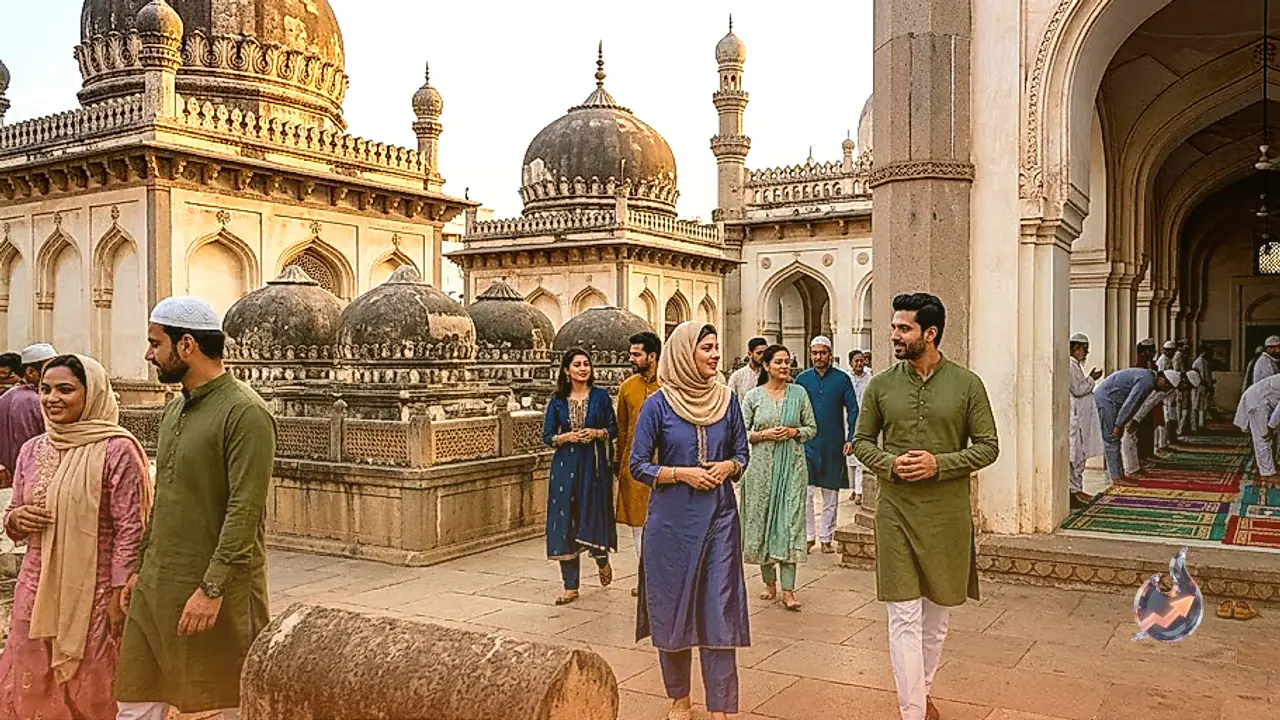

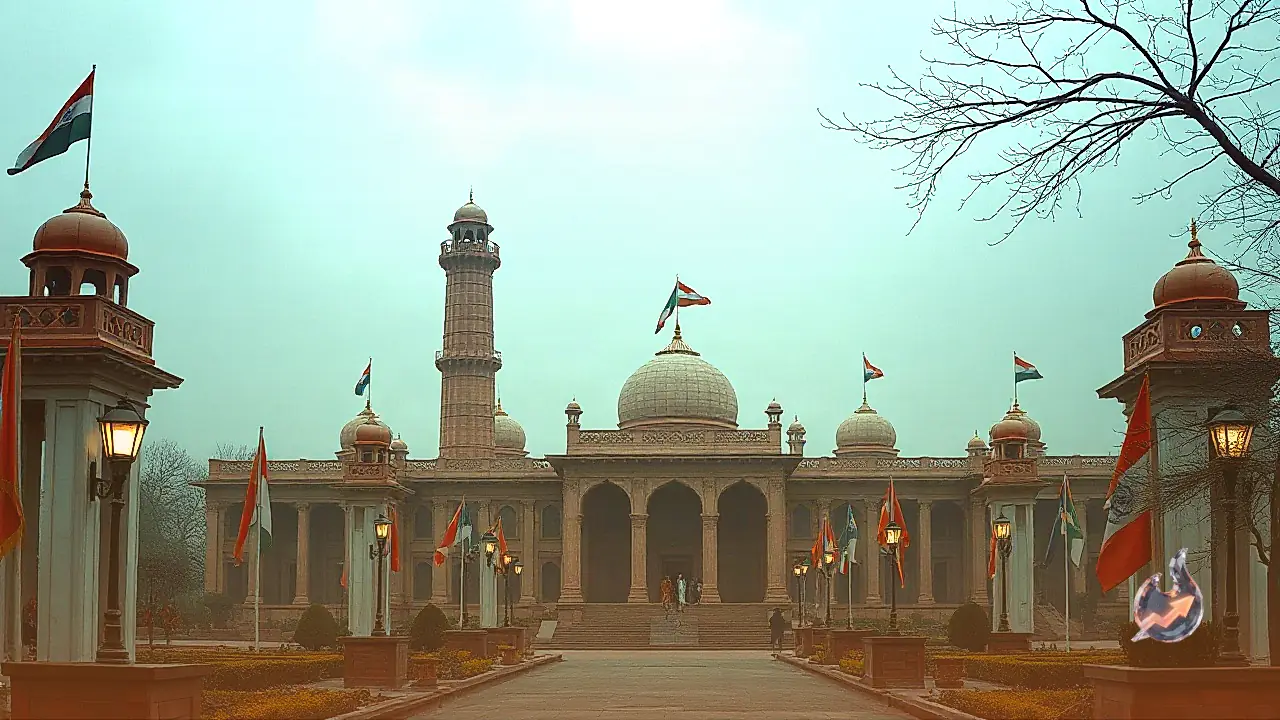


















The district of Mirzapur in Uttar Pradesh holds a distinguished position for its rich cultural legacy and pre-independence heritage. Scattered across the city and its surroundings are several architectural landmarks that stand as living witnesses to the region's historic past. Built well before India achieved independence, these five prominent structures highlight the commercial prosperity, administrative evolution, and political movements of their era while retaining their magnificent charm today.
Dadda Ki Kothi: A Symbol of Commercial Supremacy
Dadda Ki Kothi stands as a grand reminder of Mirzapur's thriving trade era. Mahadev Shahu, popularly known by the moniker "Dadda," was one of the city's foremost business magnates. He operated an extensive business dealing in lac, shellac, and mica, commodities that saw immense international demand and were exported to foreign markets. Beyond his commercial ventures, Dadda was a prominent landlord with landholdings spanning multiple villages. He constructed a grand, palace-like residence that continues to survive as a prized historical landmark in the district.
Ghantaghar: From British Command Center to Municipal Headquarters
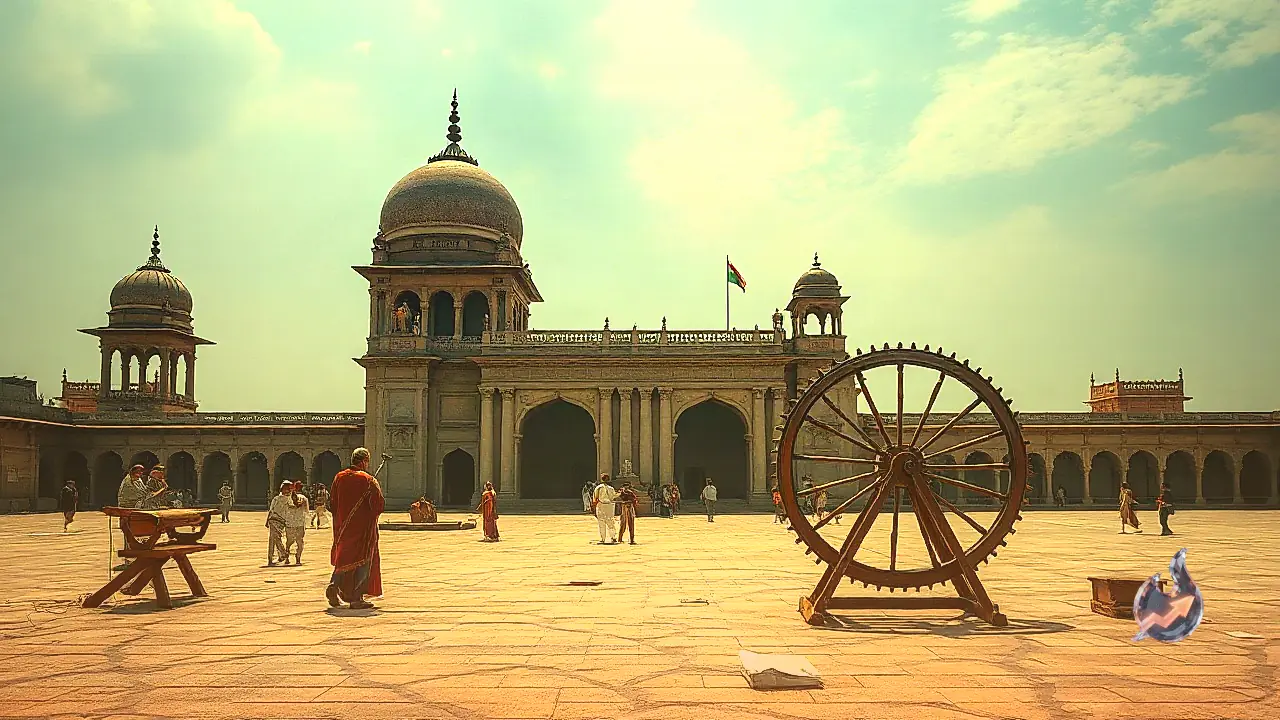
The iconic Ghantaghar, or Clock Tower, in Mirzapur was constructed during the British colonial period. Serving as the administrative nexus of British governance in the area, the building was used to manage official state affairs and local administration. Following the departure of British rule, the structure was repurposed to serve as the local Municipal Corporation office, allowing this historic building to remain actively integrated into the city's civic administration.
Chunar Fort and Sonwa Mandap Built by King Sahadev
Chunar Fort remains one of the most prominent historic strongholds in Mirzapur district. The fort was originally constructed under the reign of King Sahadev. Among its various architectural elements, the Sonwa Mandap within the fort complex serves as its most distinguishing feature. Owing to its historical significance and scenic architecture, the fort continues to draw visitors and heritage enthusiasts from across the nation.
Pandey Hata: A Hub of Historical Political Assembly
Situated within Mirzapur city, Pandey Hata carries substantial political heritage. During the era of Congress governance, this location functioned as a prominent political assembly ground where formal leadership gatherings were conducted. Notable political figures, including Indira Gandhi along with several veteran leaders, held court and attended key deliberations at this site, cementing its status as an enduring historic landmark.
Pakka Ghat: Crafted in Red Sandstone for Public Welfare
Pakka Ghat along the riverbank represents a quintessential architectural signature of Mirzapur. The structure was constructed using local red sandstone, reflecting the regional stonemework tradition. It was specifically built to address the safety and privacy difficulties faced by women while bathing in the river. Today, the well-paved ghat continues to serve as an important gathering spot for locals and pilgrims alike.