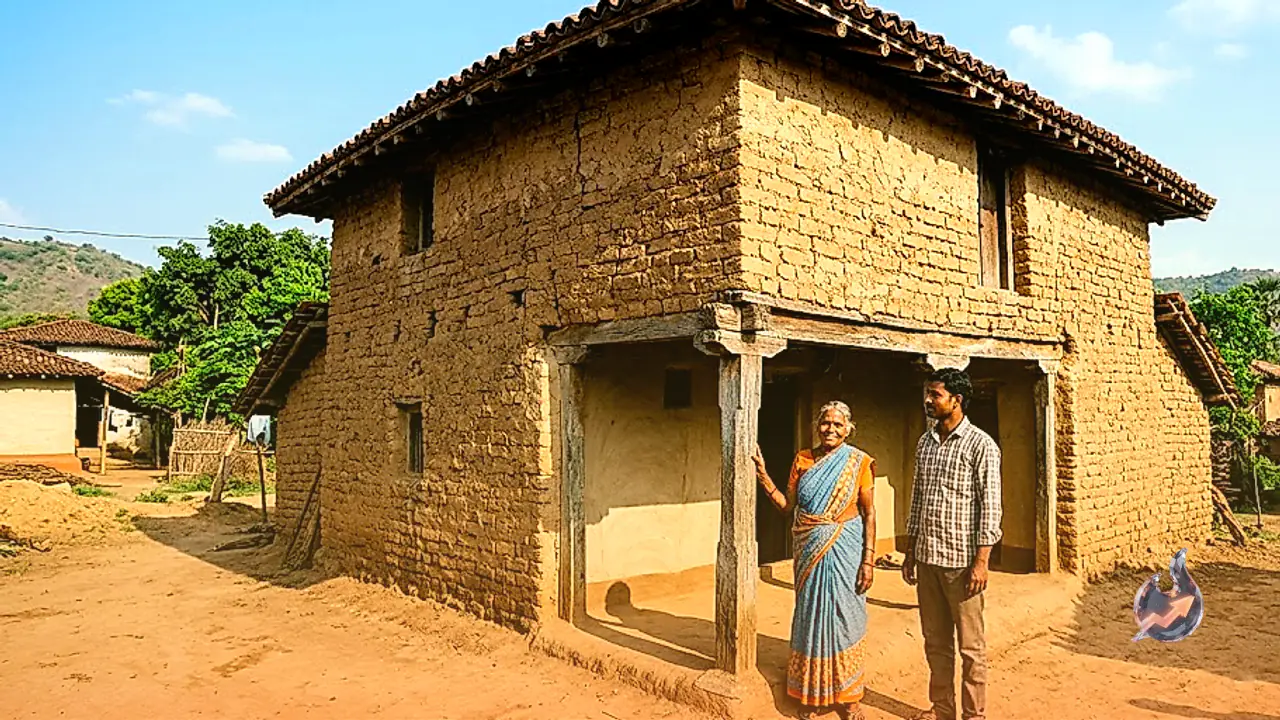















The landscape of Jehanabad has transformed completely in the modern era. Technology has accelerated the pace of daily life significantly, with high-speed internet and smartphones bringing the world directly into the palms of our hands. Entertainment habits have shifted, and radios no longer echo through every household the way they once did. However, there was an era when mobile phones and the internet did not exist. During those times, entertainment options were limited, and television held a unique place in society. The arrival of a television set in any home felt no less than a grand festival for the entire neighborhood. As soon as a popular serial began, nearby residents would gather in one place. People spent hours sitting in front of the screen to watch movies and cricket matches. Rani Devi, a resident of Jehanabad, still experiences a glow of nostalgia whenever she looks back at those bygone days.
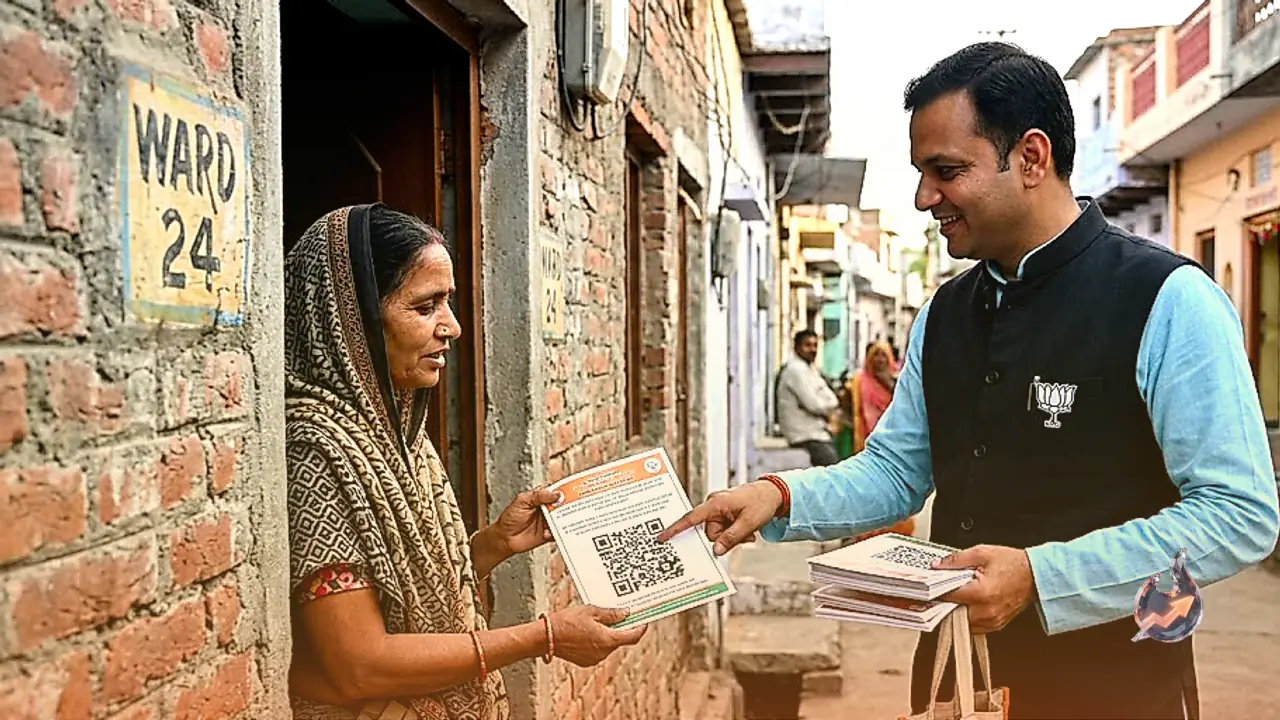
Rani Devi, a resident of Ghosi in Jehanabad district, has lived in the area since 1987. Having completed her education up to the 12th standard, she recounts that she got married in 1987. Upon arriving at her marital home after the wedding, the Ghosi market was not as developed as it is today, and residential houses were few. Her father-in-law worked as a teacher at Sanskrit Vidyalaya in Ghosi. Later, her family settled in the Prakhand Colony neighborhood of Ghosi market. During this period, in 1993, her brother-in-law got married. The family received a basic television as a wedding item, marking the beginning of a new era of entertainment in the locality.
Crowds Gathering When the TV Arrived
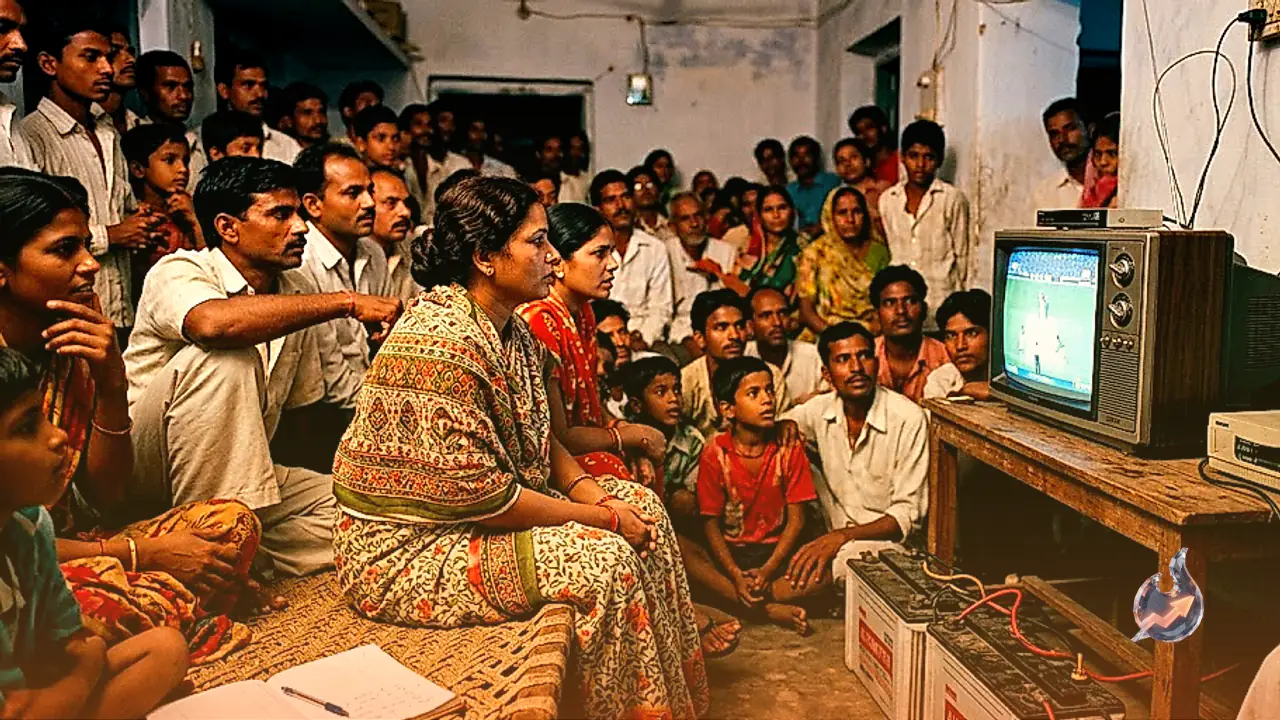
Rani Devi explains that when television first appeared in the neighborhood, the curiosity among neighboring residents was immense. Not just family members, but neighbors as well started visiting the house to watch television programs. Shows like Ramayan, Mahabharat, and Chandrakanta enjoyed immense popularity among viewers back then. People eagerly awaited Saturdays and Sundays because movies were broadcast on television during those weekend days. Long before a film started, people would gather at the house and enjoy the movie for roughly three hours.
Week-Long Preparation for Cricket Matches
According to Rani Devi, watching cricket matches back then was the most thrilling experience. Power cuts were frequent during that period, and electricity would often remain unavailable for extended stretches. Consequently, people made advance arrangements for major cricket matches. She shares that running a television during a match required a storage battery. To ensure the TV did not shut down during the game, people booked batteries at local shops about a week in advance. One-day cricket matches lasted for many hours, and viewers remained seated in front of the screen continuously.
Often, the television reception was poor, and the screen would flicker, but people's enthusiasm never waned. Despite blurry images, viewers sat for hours just to catch a glimpse of the players on screen. Today, in an era dominated by mobile phones and the internet, entertainment avenues may be countless, but in the memories of people like Rani Devi, that television era remains a living symbol of collective joy when a single screen brought an entire neighborhood together.