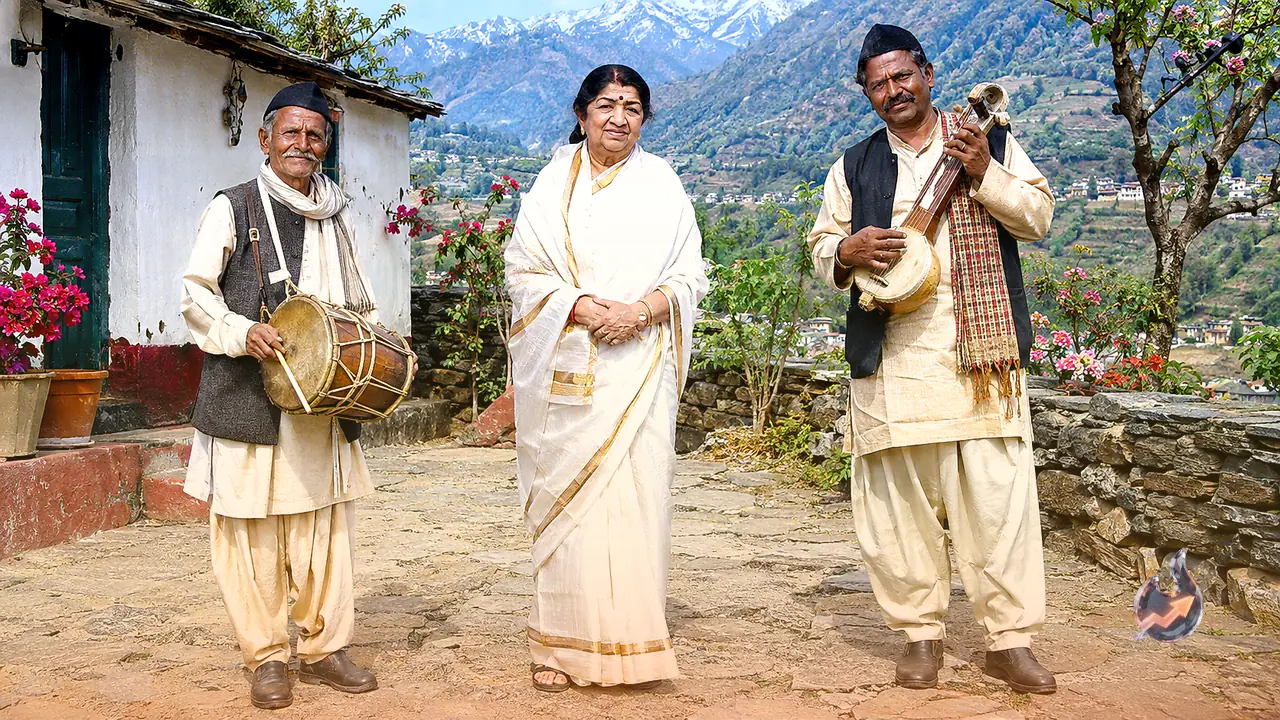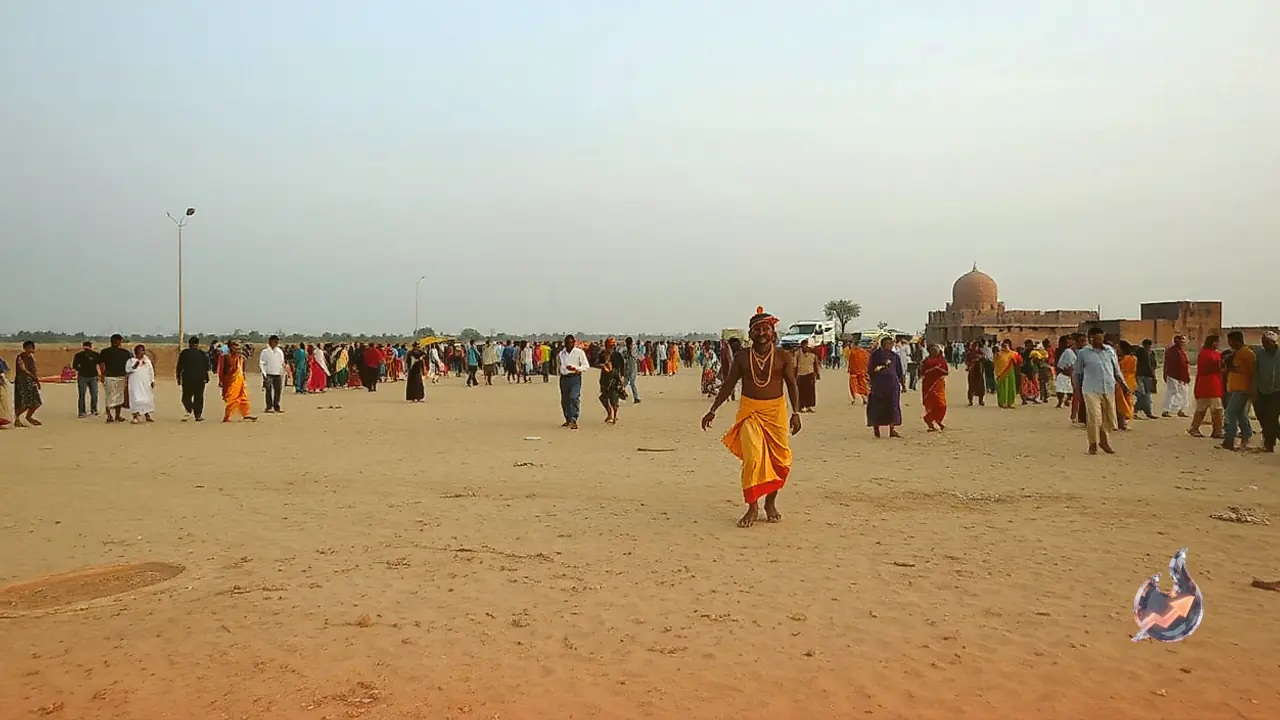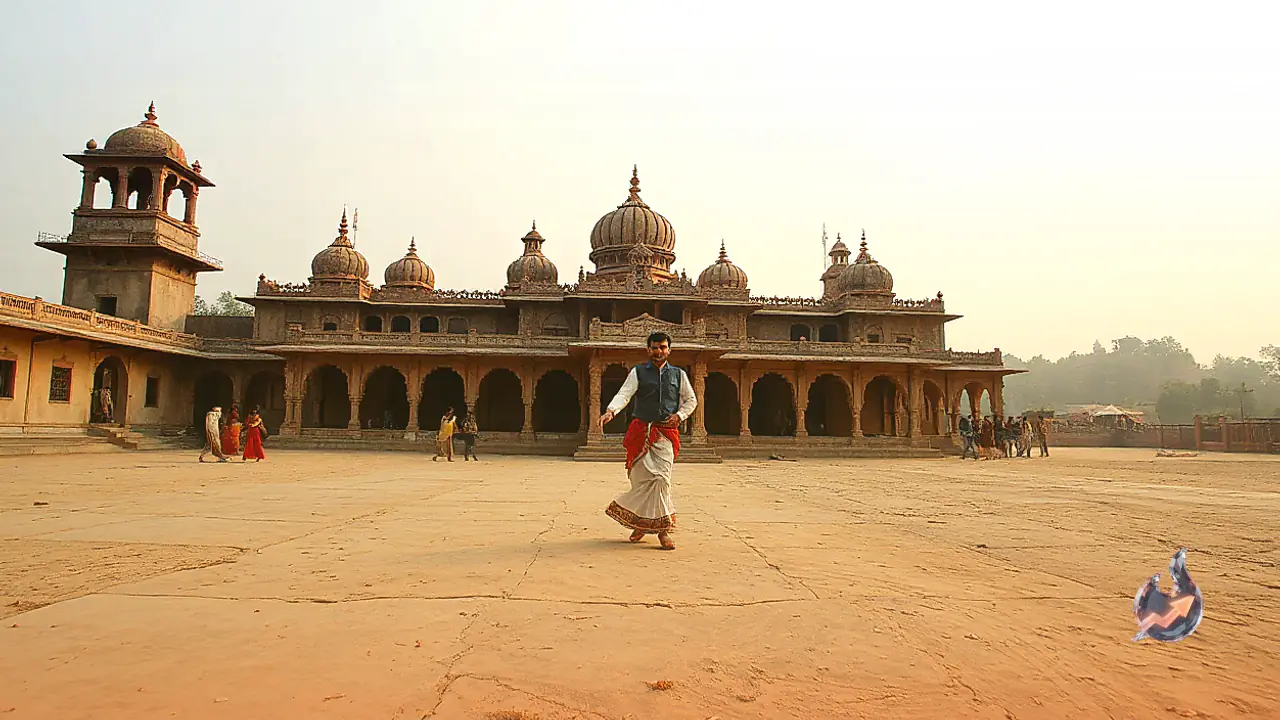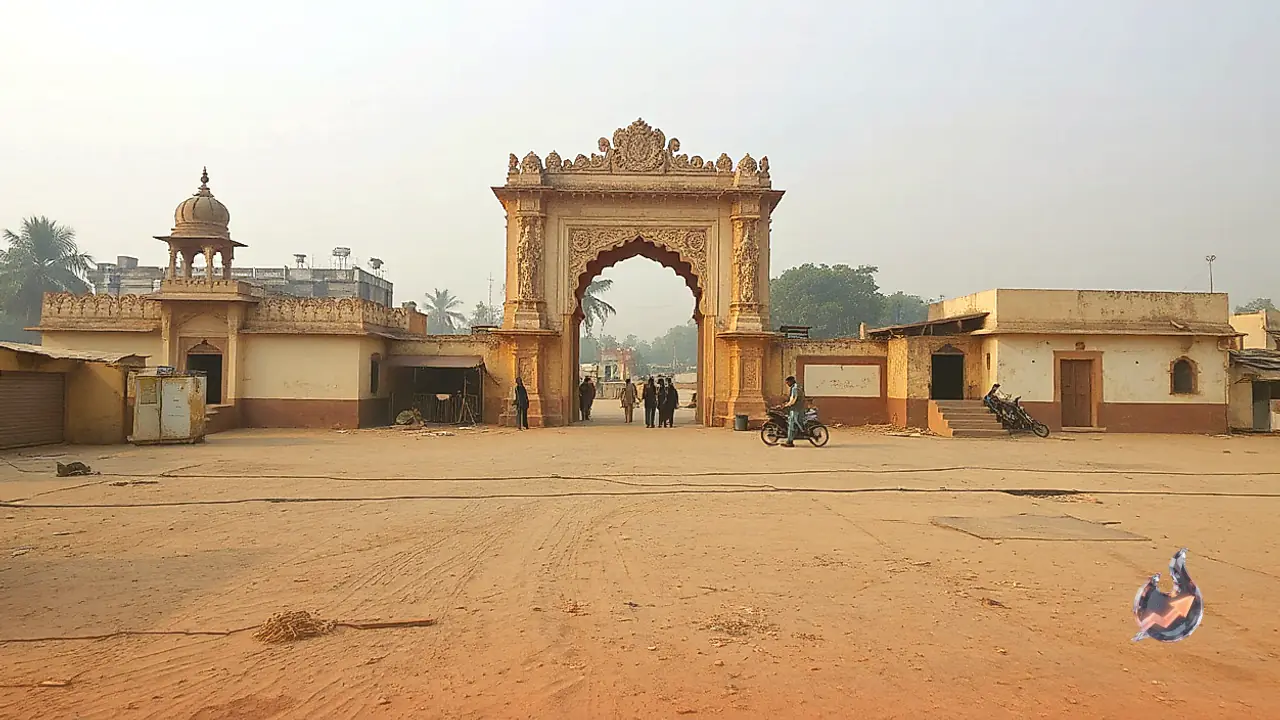
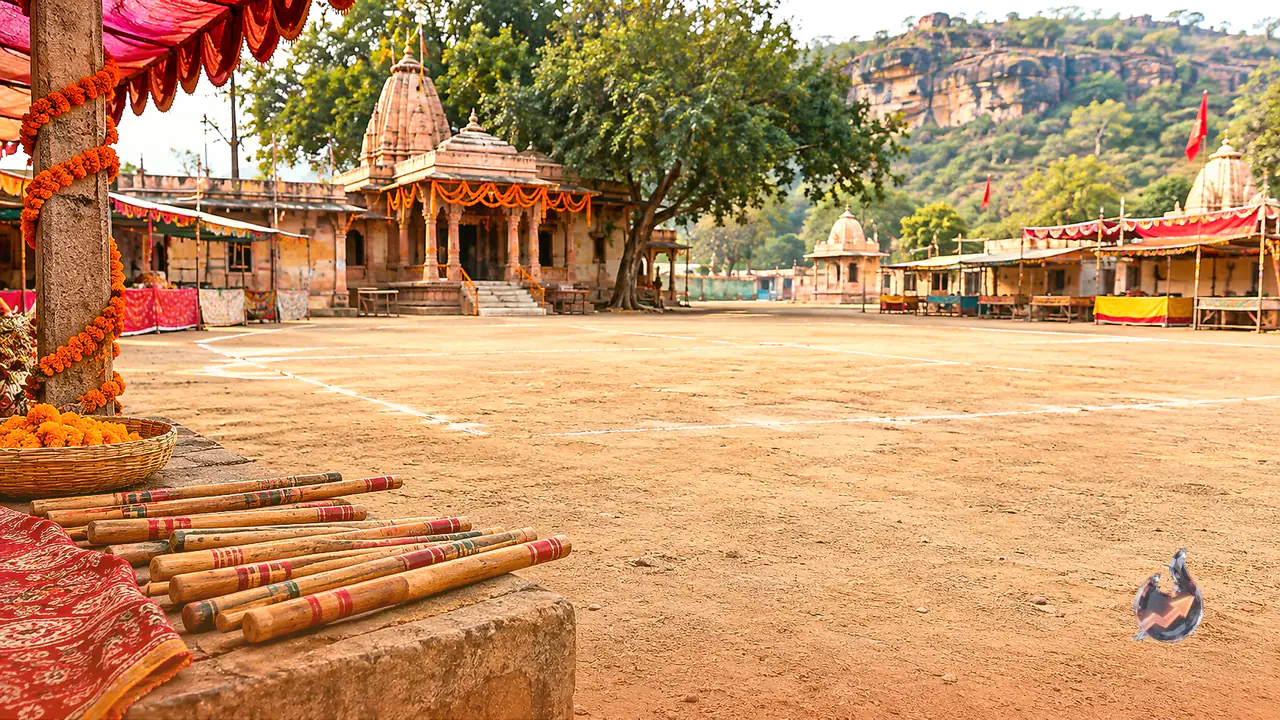















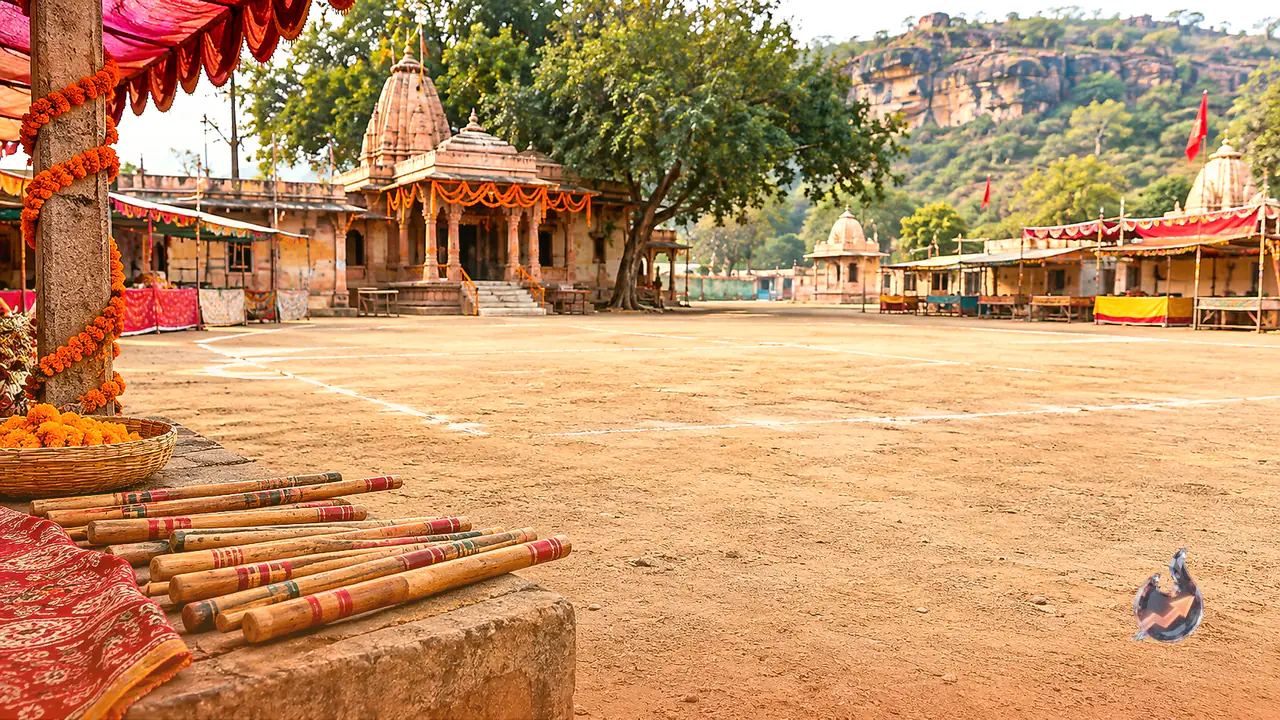

The festive fair in Chitrakoot is currently in full swing during Diwali and is set to continue for the next two days. Ever since the festival began, a truly astonishing tradition has been observed here that leaves every onlooker amazed. Known as the Diwari dance, this vibrant custom involves villagers forming troupes and visiting various math-temples and villages across Chitrakoot. To the rhythmic beats of dholak and drums, performers skillfully strike wooden lathis against each other in precise maneuvers. The centuries-old traditions of Maun Charai and traditional Devari dance continue to be practiced with immense enthusiasm to this day.
A Vibrant Cultural Heritage of Bundelhand
The Diwari dance tradition, performed during the festival of lights, serves as a major center of attraction for everyone present. When artists holding wooden staffs launch calculated strikes at one another to the booming rhythm of traditional drums, spectators are left spellbound. Rooted deeply in courage, martial skill, and religious devotion, this practice is kept alive with great fervor by rural communities. This is a traditional custom native to the Bundelkhand region, which the local populace performs masterfully while visiting numerous temples across Chitrakoot to showcase their ancestral artistic talent.
The Strict Discipline of the Maun Charai Vow
According to age-old beliefs, the observance of the Maun Charai fast commences early in the morning at dawn. On this day, the practitioners walk barefoot throughout the day carrying peacock feathers and wooden staffs without uttering a single word. This strict vow of silence is maintained continuously for a span of 12 or 14 years. The conclusion and completion of this fast take place at prominent temples in Vrindavan or Chitrakoot through elaborate worship rituals. Local folklore links the tradition of Maun Charai directly to Lord Krishna's service to cows and the protection of bovine species. It is said that when Lord Krishna took cows out for grazing in Braj, He maintained silence out of deep devotion and for the safety of the animals. Remembering this historical narrative, devotees continue to uphold the tradition with unwavering faith.
Passing Down the Art to the Younger Generation
Ramaprakash, a participant in the Diwari dance, shared that this is an exceptionally ancient custom. During the Diwali season, troupes set out from their homes, typically comprising around 50 members in total. Among them, 11 members participate under a vow of silence, performing the Diwari dance while silently offering prayers to Lord Krishna. Following this, all the artists perform a ritual circumambulation of Lord Kamtanath while showcasing their skills along the entire parikrama path. To preserve and pass down the art of Diwari dance, specialized training is imparted to youngsters directly within the villages. Elder members of the community teach the younger generation the proper techniques of wielding wooden sticks, maintaining coordination, and mastering the nuances of the dance. Consequently, enthusiastic youths arrive in Chitrakoot in organized groups every Diwali to take part in this cherished legacy.